
Guild to Japan
这篇 blog 的中文版本。
Foreword
This blog chronicles the journey to Japan taken by ptr and me from June 18 to June 27, 2025. Within these pages, you will find our initial travel highlights and a detailed itinerary, alongside various observations and stories from the road. I have also included practical information on Japanese transportation, ticket booking details for various attractions, and local dining recommendations.
The descriptions of each site in this blog are a synthesis of online research and insights gained during the trip. Before we set off, ptr meticulously researched schedules, attractions, and accommodations, laying a solid foundation for our entire journey. Even so, traveling in a foreign land inevitably brings unexpected changes. It was a privilege that the trip concluded so smoothly, for which I owe a great deal of thanks to ptr.
Although this journey spanned 10 days and 9 nights, Japan’s vast wealth of scenery, culture, and cuisine leaves much more to be explored in the future. This post serves as a memento of our time there.
Main Travel Destinations
Tokyo Metropolis
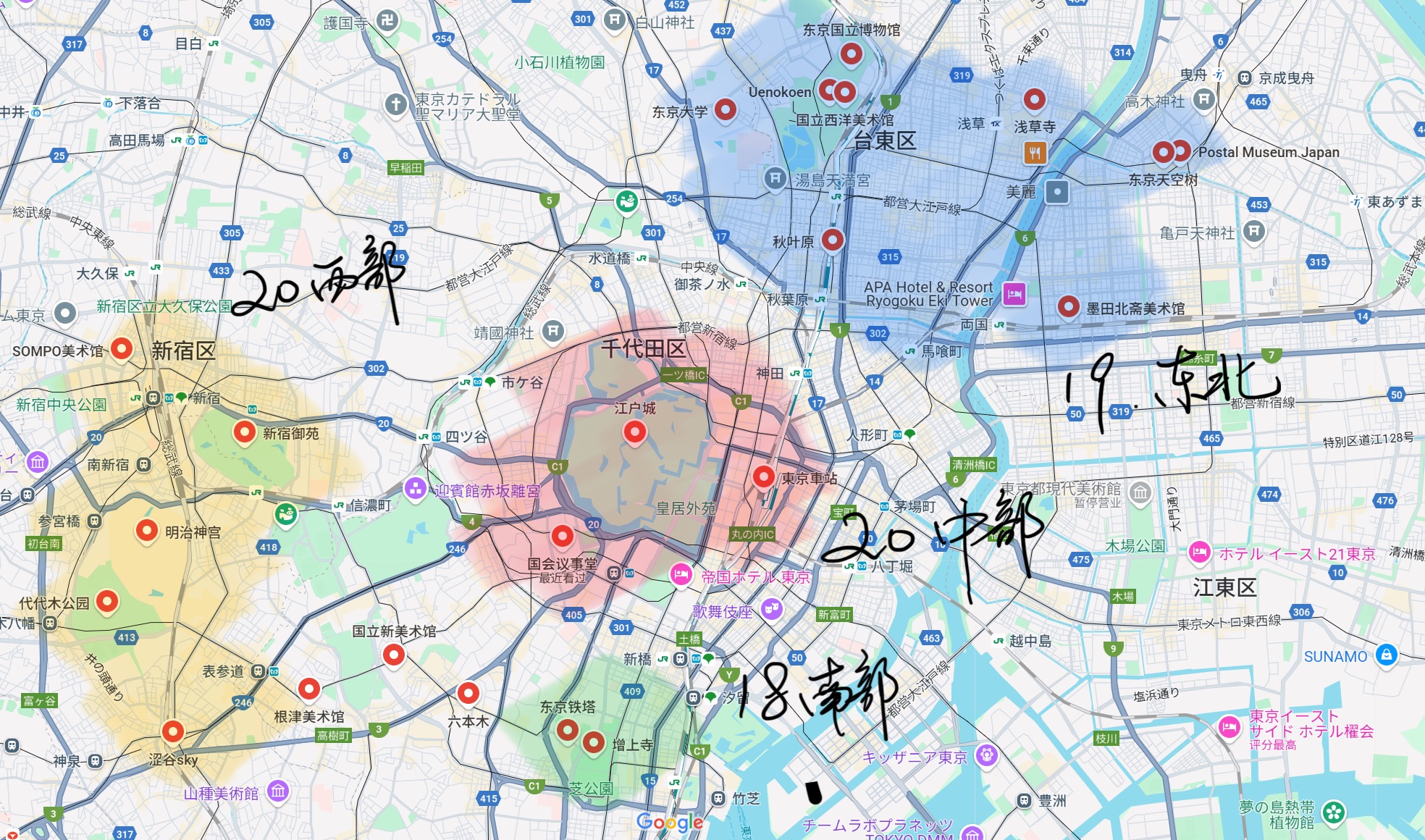
Northeast Area
Tokyo National Museum (not visited)
The Tokyo National Museum is located northeast of central Tokyo and is the largest museum in Japan with the most extensive collection.
Opening Hours:
Monday: Closed (If Monday is a public holiday, the museum is open on Monday and closed on the following Tuesday);
Tuesday, Wednesday, Thursday, Sunday: 9:30 a.m.-5:00 p.m.;
Friday, Saturday: 9:30 a.m.-8:00 p.m.
Note: The last admission is 30 minutes before closing. For holiday opening schedules, see the Tokyo National Museum official website.
Admission:
¥1000 Adults;
¥500 University students;
Free for youth (18 and under), seniors (70 and over), or disabled persons and one accompanying person.
Guides: Site Map, Chinese Guide Map, English Guide Map, App.
Estimated Visit Duration: 2 hours.
Address: 13-9 Uenokoen, Taito City, Tokyo 110-8712, Japan;
Phone: +81 50-5541-8600;
Website: Tokyo National Museum.
Map Location:

National Museum of Western Art
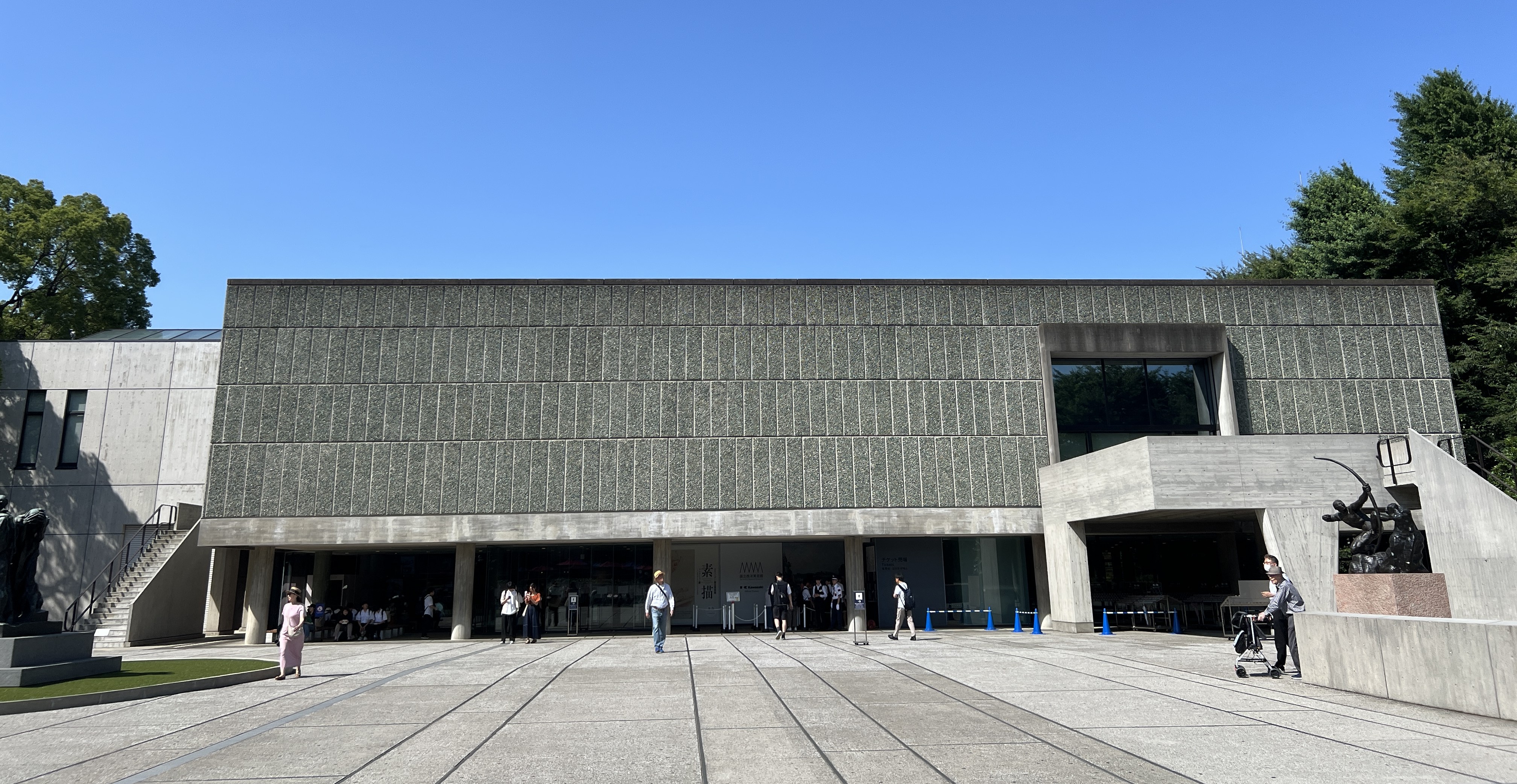
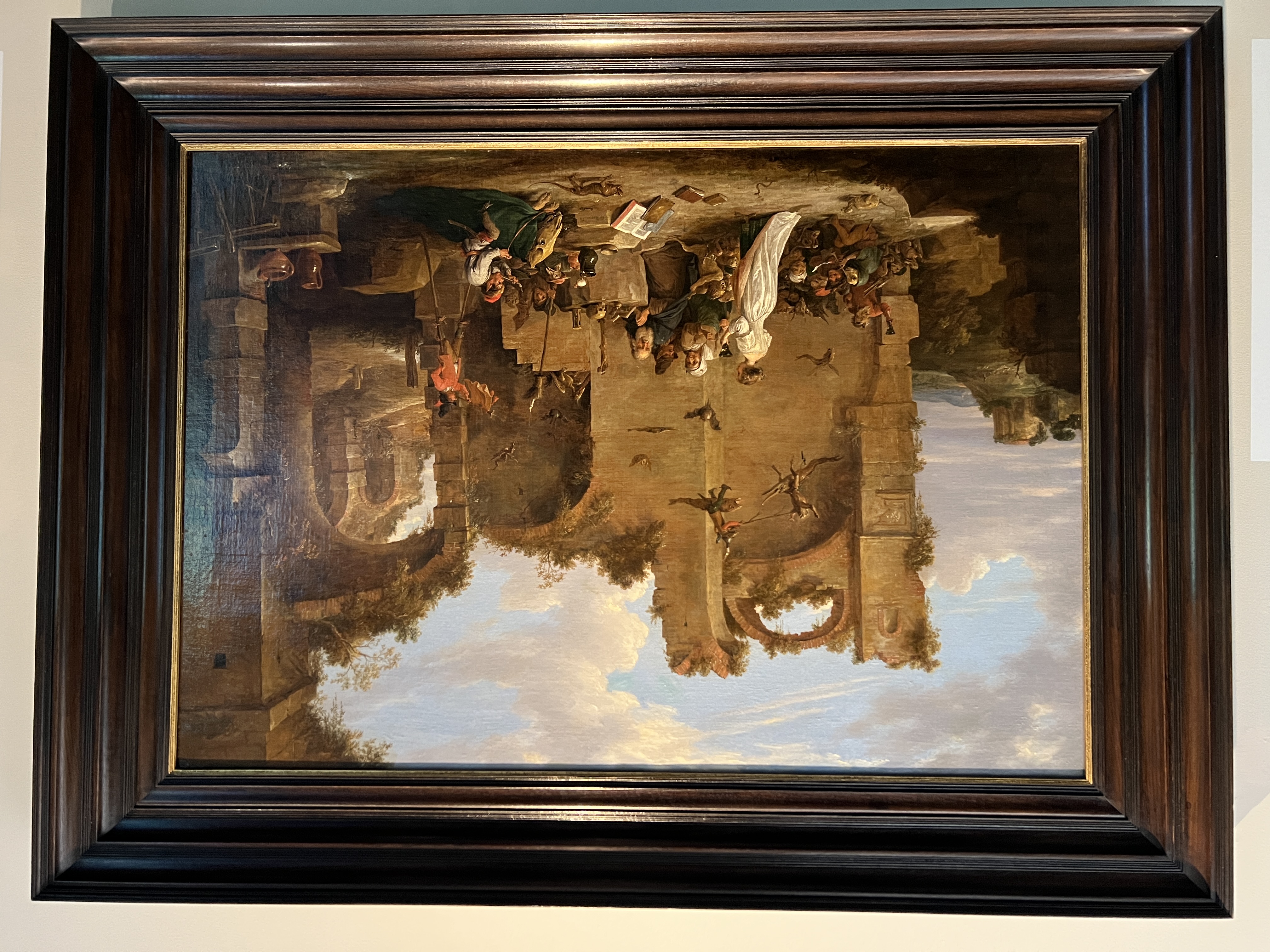
The visionary behind the National Museum of Western Art (NMWA) was Kojiro Matsukata (1865–1950), the president of Kawasaki Dockyard (now Kawasaki Heavy Industries) and a prominent entrepreneur. In 1916, he began acquiring an extensive collection of European artworks in cities like London and Paris. His ambition was to transport these masterpieces back to Japan to establish a dedicated museum for Western art.
However, his path was fraught with setbacks. In 1927, Kawasaki Dockyard fell into a financial crisis, leading to Matsukata’s resignation the following year. Many artworks that had already reached Japan were auctioned off to settle debts, while those remaining in a London warehouse were tragically destroyed in a fire in 1939. After enduring these numerous trials and tribulations, the National Museum of Western Art finally opened its doors in April 1959. Sadly, Matsukata passed away in June 1950, never living to see the museum’s completion or its grand opening. For a more detailed history of the museum, please refer to The National Museum of Western Art and the Matsukata Collection.
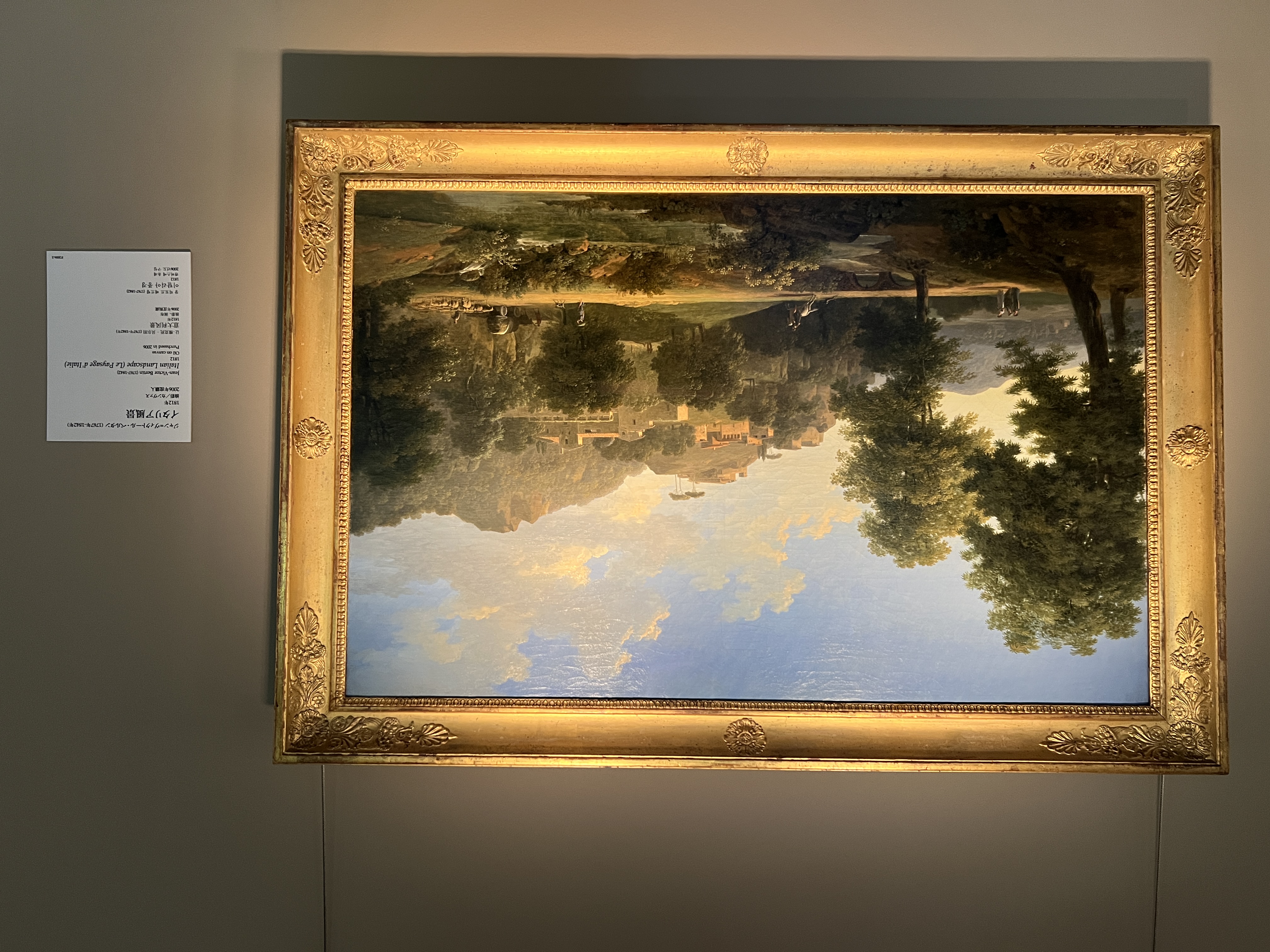
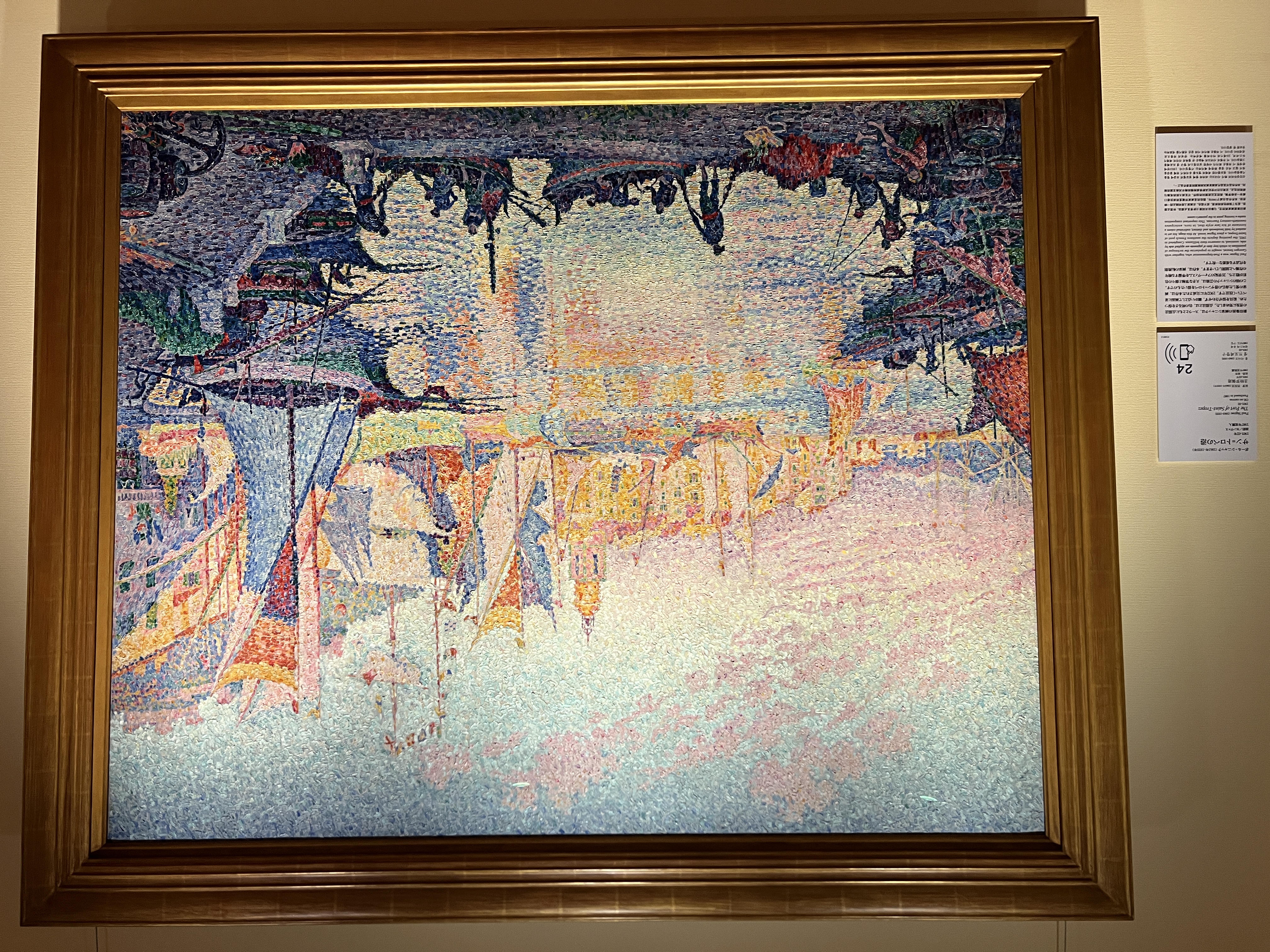
Opening Hours:
Monday: Closed (If Monday is a public holiday, the museum will be open on Monday and closed on the following Tuesday);
Tuesday, Wednesday, Thursday, Sunday: 9:30 a.m.-5:30 p.m.;
Friday, Saturday: 9:30 a.m.-8:00 p.m.
Admission:
¥500 Adults;
¥250 University students;
Free for youth (18 and under), seniors (65 and over), or persons with disabilities and one accompanying person.
Guided Tour: Museum Map.
Estimated Visit Duration: 2 hours.
Address: 7-7 Uenokoen, Taito City, Tokyo 110-0007 Japan;
Phone: +81 50-5541-8600;
Website: National Museum of Western Art.
Map Location:
Ueno Park (not visited)
Ueno Park, officially known as Ueno Onshi Kōen (Ueno Imperial Gift Park), is located in Tokyo’s Taito District. Established in 1876, it holds the distinction of being Japan’s first true public park. The term “Onshi” (meaning “Imperial Gift”) stems from the park’s history; it originally belonged to the Imperial Household until 1924, when the Taisho Emperor bequeathed the grounds to the city of Tokyo. This act of royal generosity is why the park bears its current name today.
Opening Hours: Open all day.
Admission: Free.
Estimated Visit Duration: 1 hour.
Address: Uenokoen, Taito City, Tokyo 110-0007 Japan;
Phone: +81 3-3828-5644;
Website: Ueno Onshi Kōen.
Map Location:
Senso-ji Temple
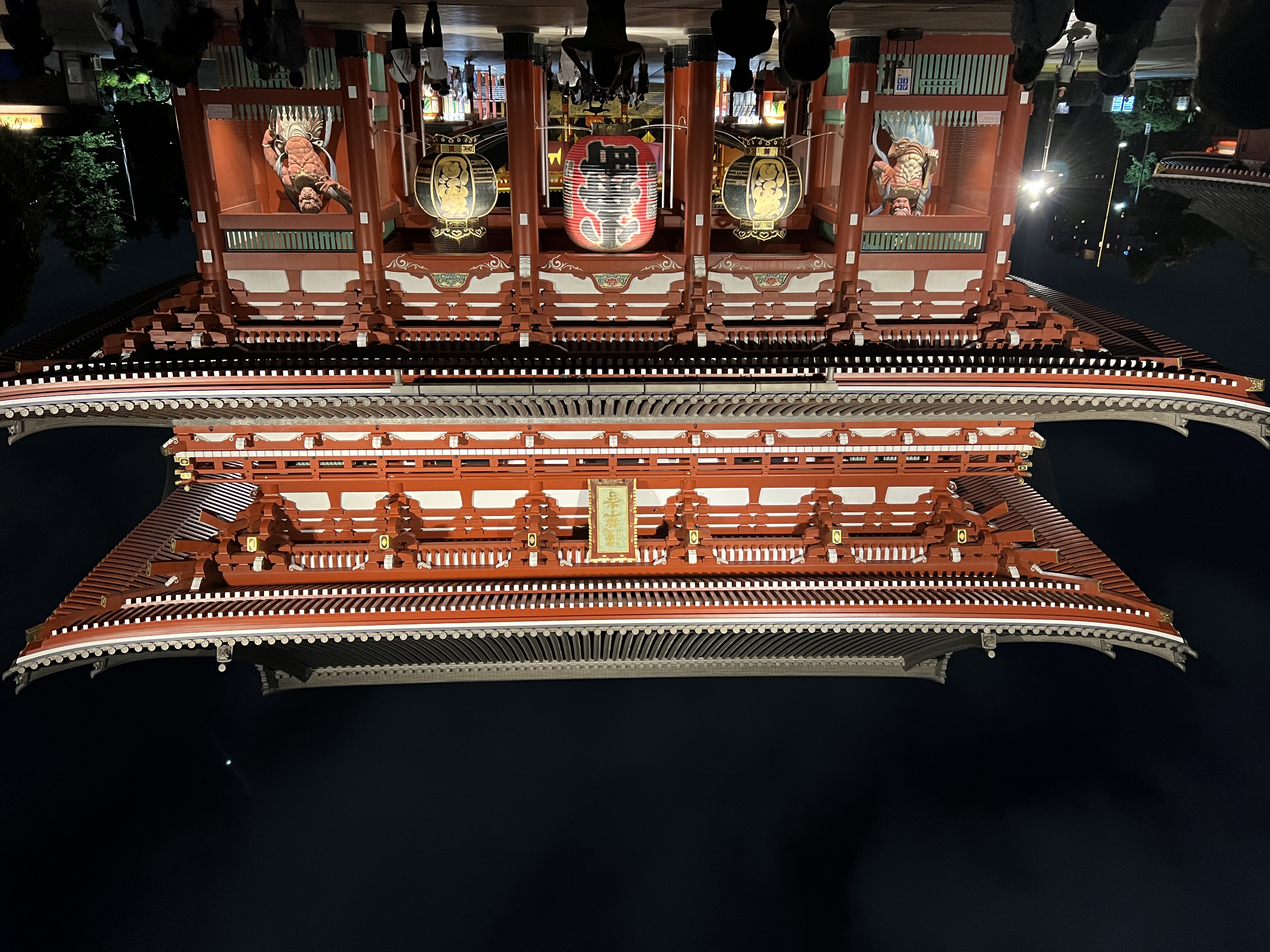
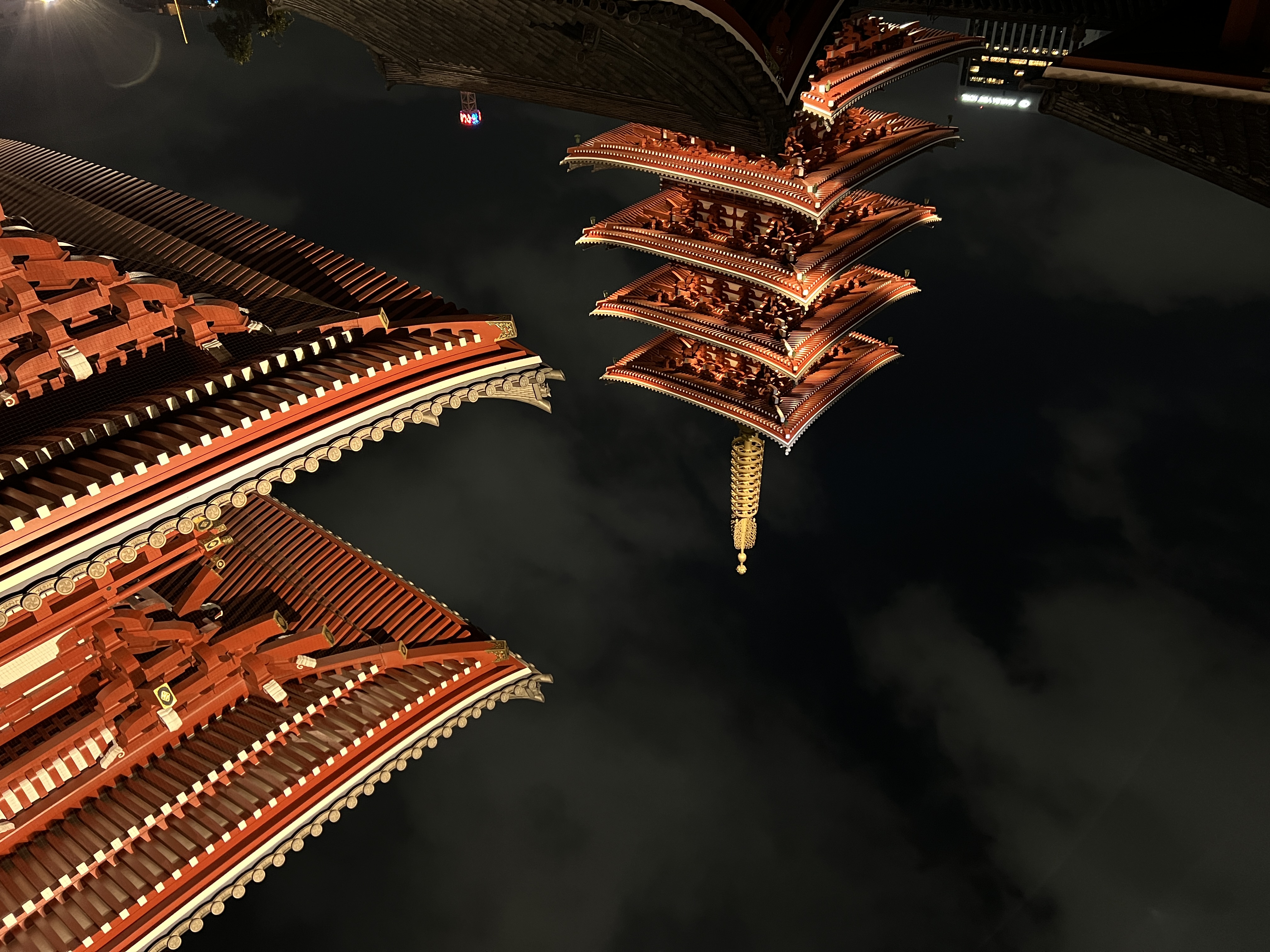
Senso-ji, officially known as Kinryuzan Senso-ji, is located in Tokyo’s Taito District. Its “Sango” (mountain name) is Kinryuzan. As the oldest temple in Tokyo, Senso-ji is a profound historical landmark. Both the iconic Kaminarimon Gate and the temple’s five-story pagoda are legendary spots that have become must-visit destinations for travelers and photographers alike.
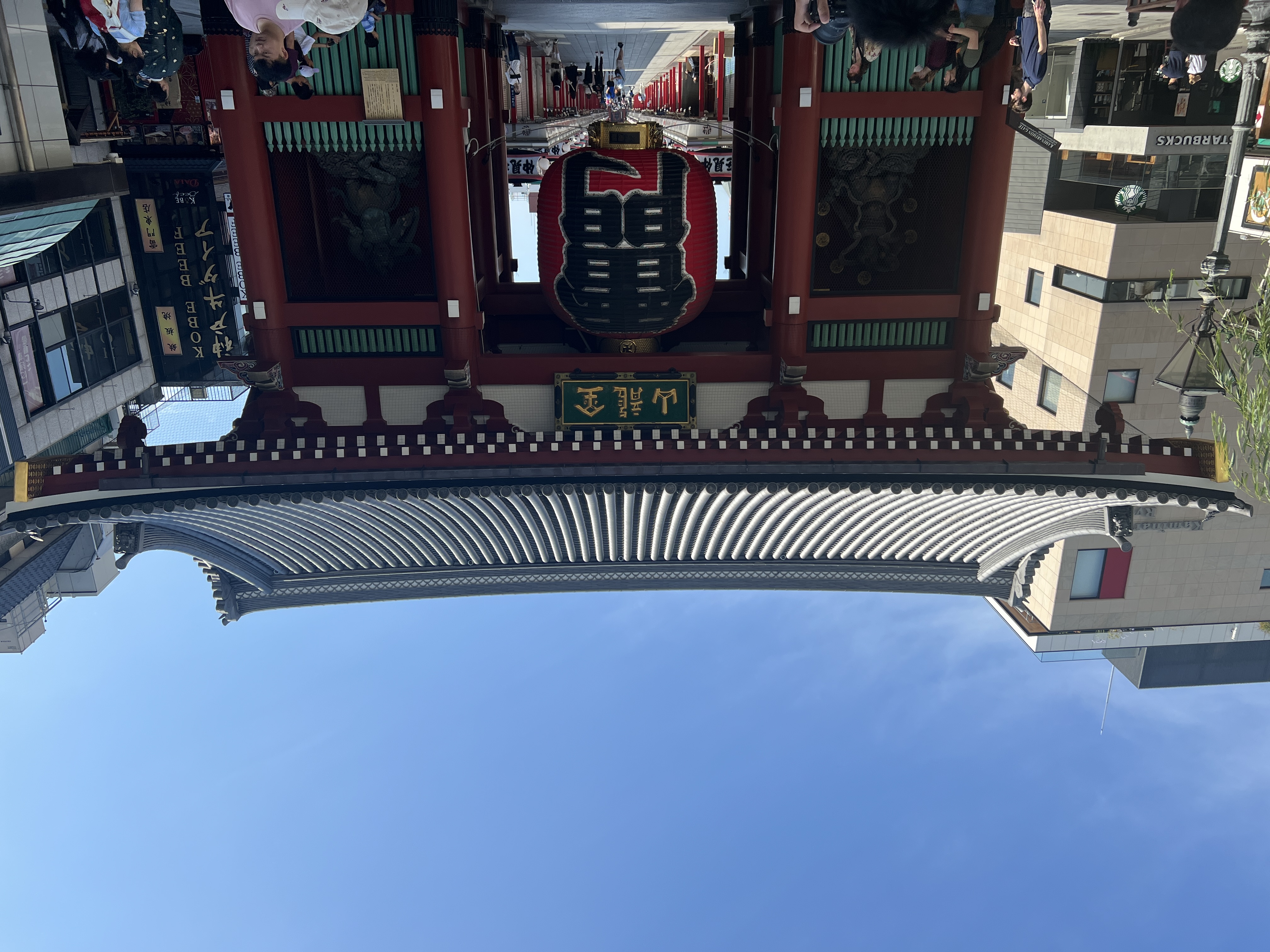
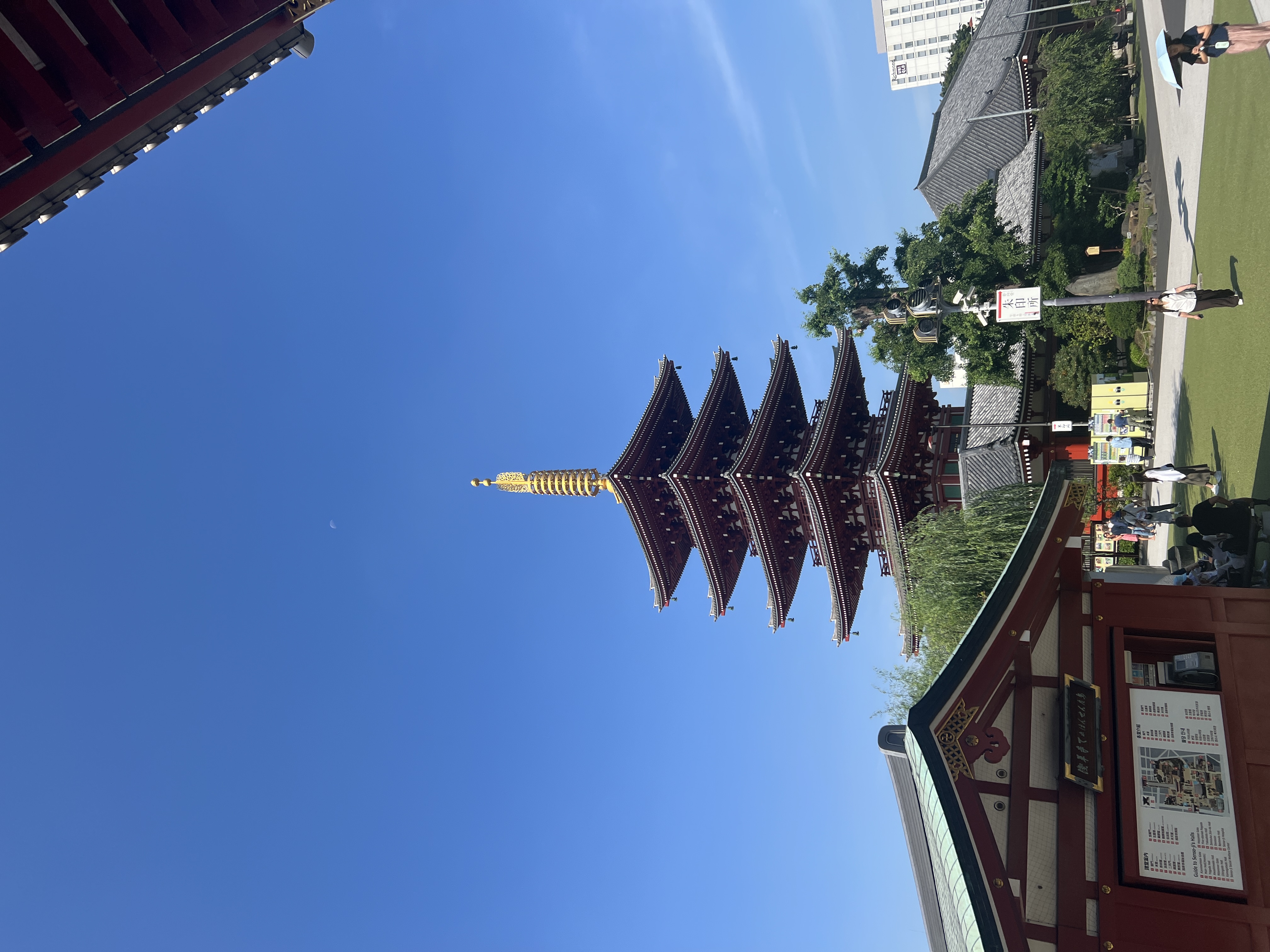
Opening Hours (Main Hall):
March to October: 6:30 a.m.-5:00 p.m.;
November to February: 6:00 a.m.-5:00 p.m.;
The Senso-ji temple grounds are open all day.
Admission: Free.
Estimated Visit Duration: 30 minutes.
Guided Tour: 参拝案内
Address: 2 Chome-3-1 Asakusa, Taito City, Tokyo 111-0032 Japan;
Phone: +81 3-3842-0181;
Website: Senso-ji Temple.
Map Location:
Tokyo Skytree (not visited)
Opening Hours:
Monday-Friday: 10:00 a.m.-10:00 p.m.;
Saturday-Sunday: 9:00 a.m.-10:00 p.m.
Note: Last admission is at 9:00 p.m.
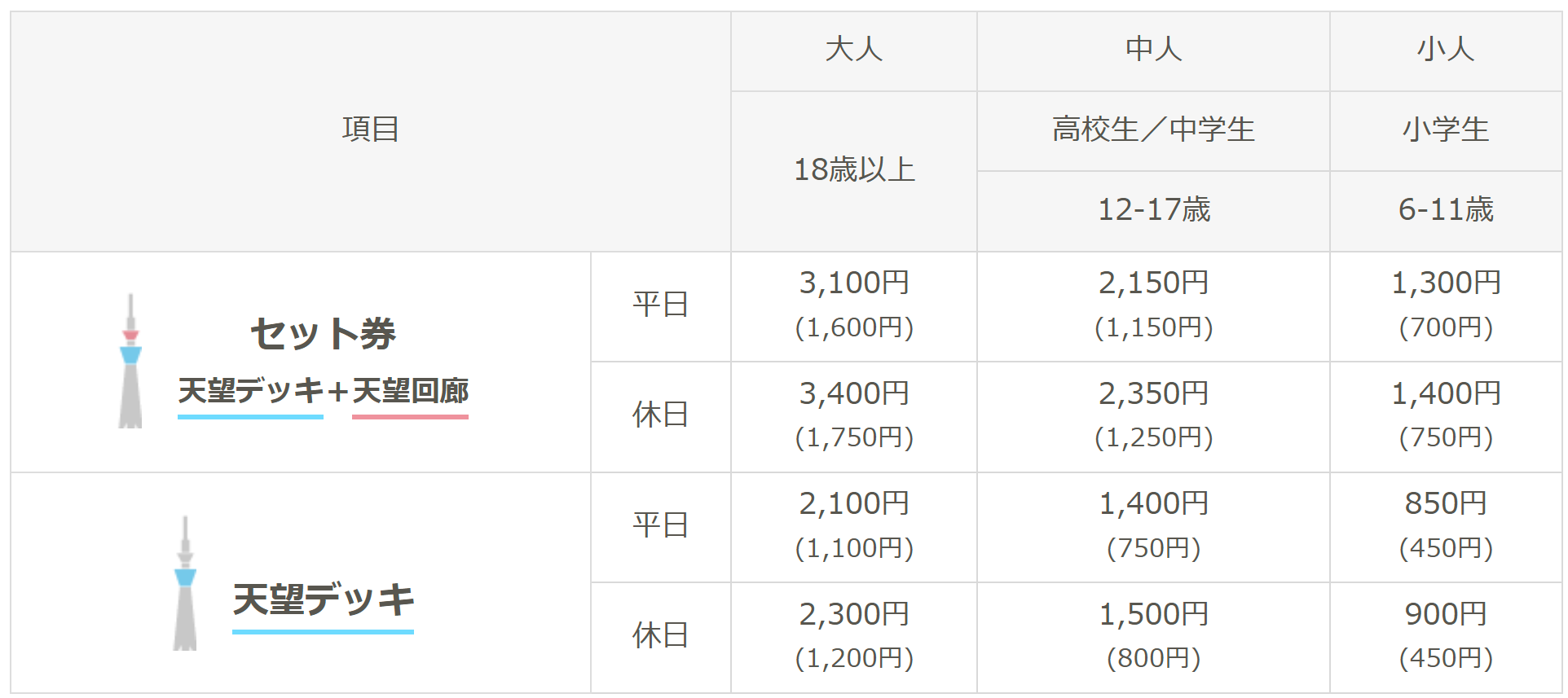
Admission: See the image below.
Estimated Visit Duration: 1 hour.
Address: 1 Chome-1-2 Oshiage, Sumida City, Tokyo 131-0045 Japan;
Phone: +81 570-550-634;
Website: Tokyo Skytree.
Map Location:
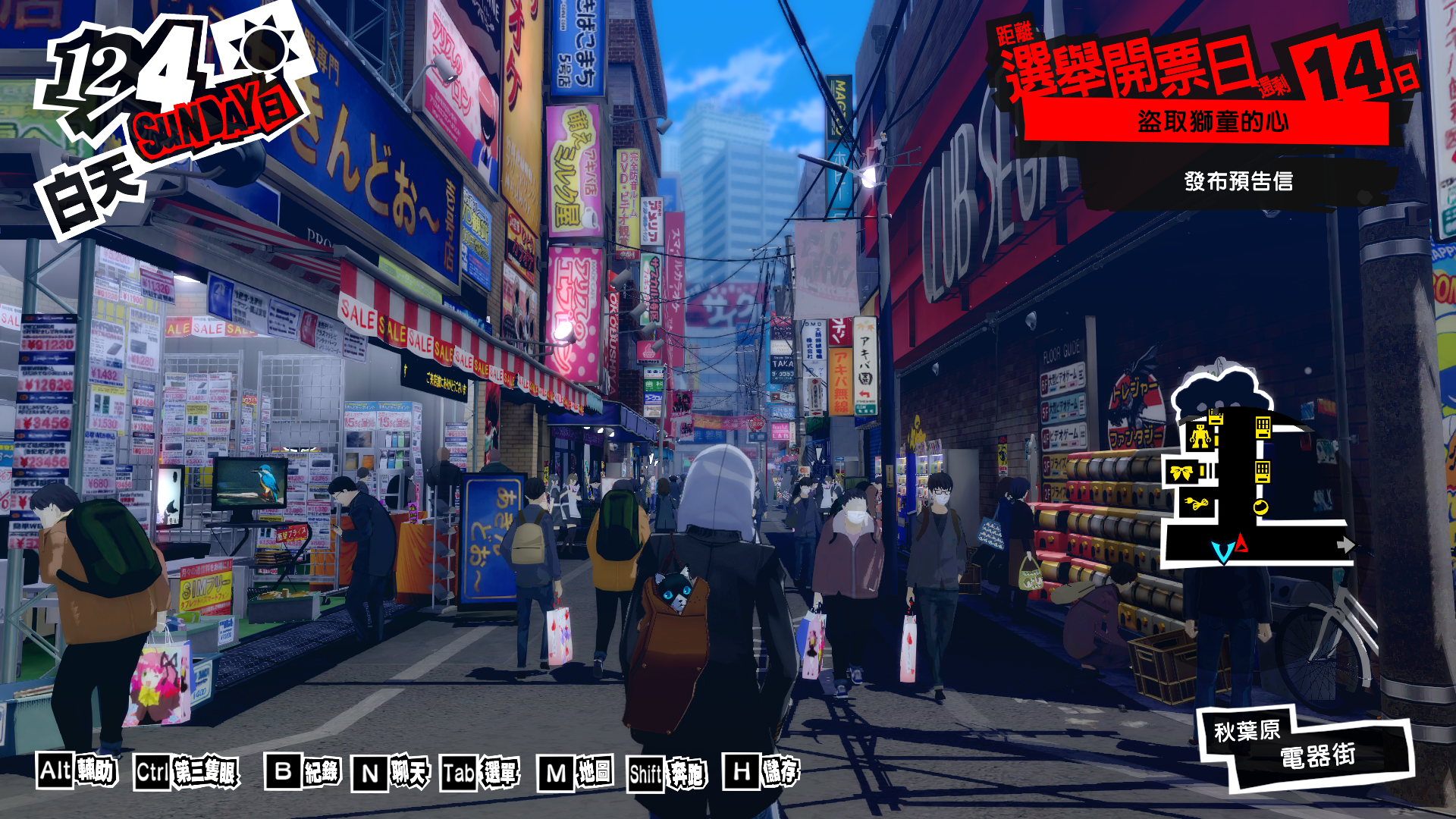
Akihabara
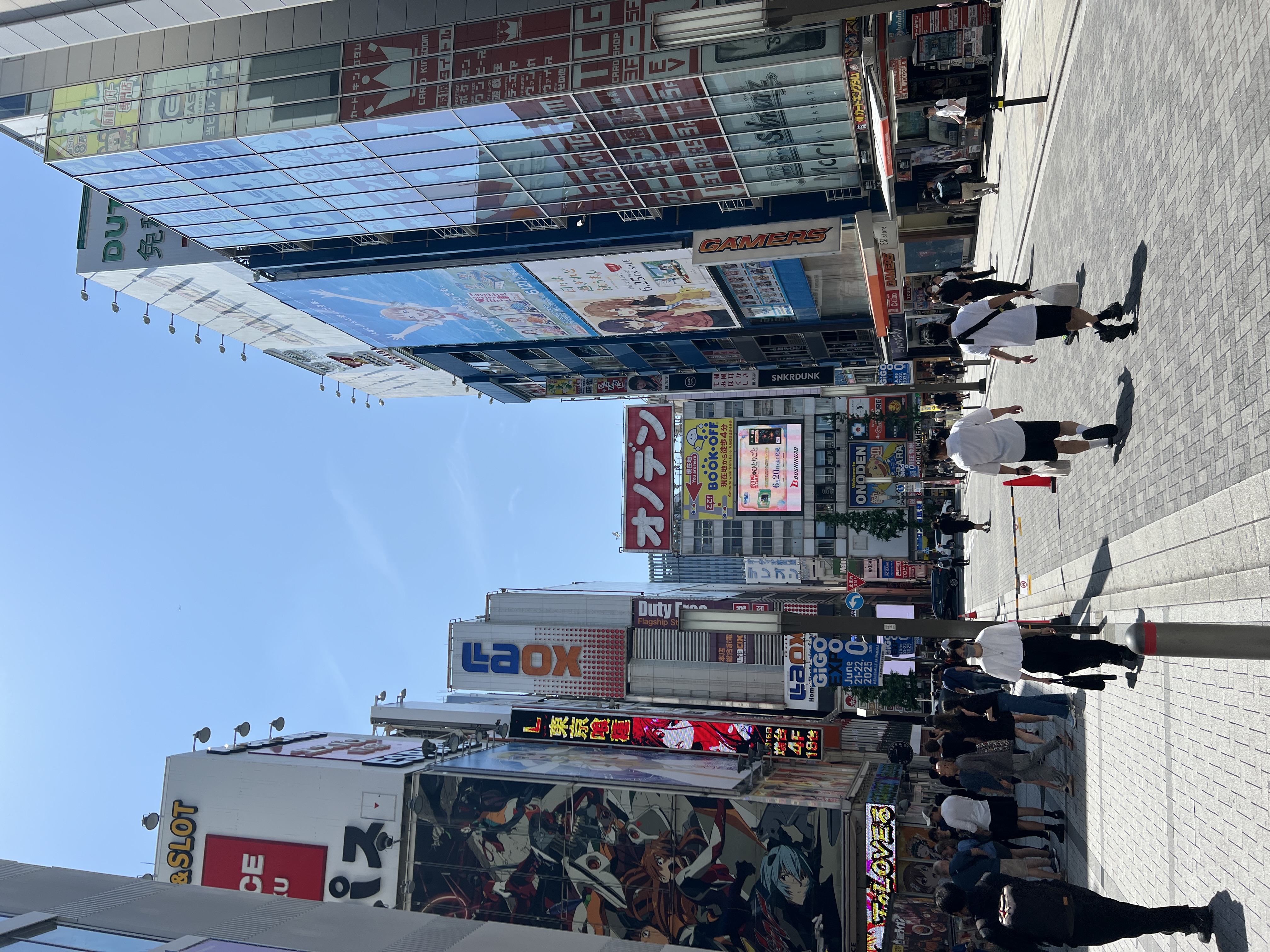
World-renowned as the ultimate sanctuary for ACG (Anime, Comic, and Games) culture, Akihabara is home to countless specialty shops and maid cafes. It is also a premier destination for those looking to buy electronics, especially second-hand gadgets! (My apologies, but graphics cards are still way too expensive…)
Opening Hours: Open all day.
Map Location:
Middle Region
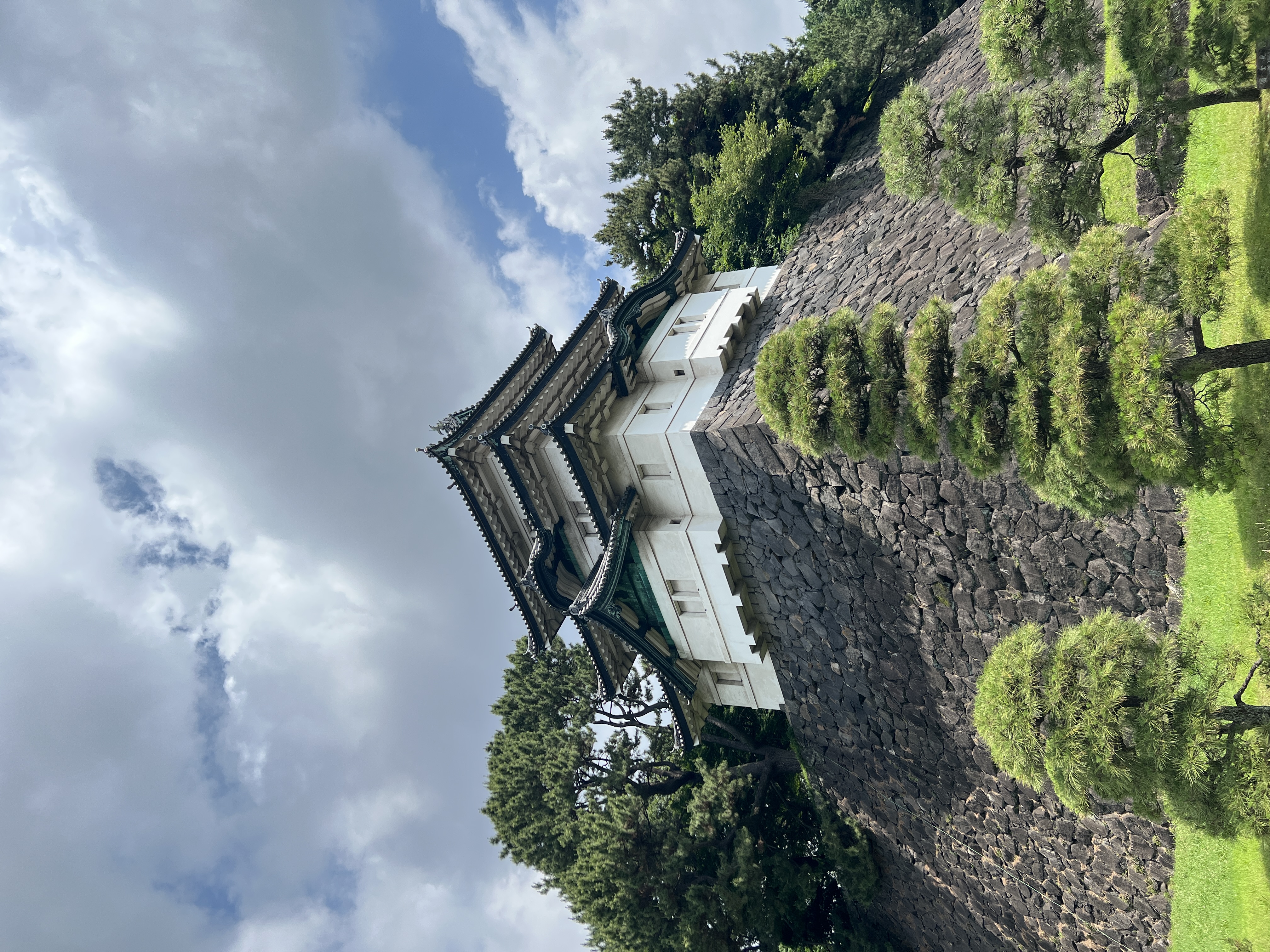
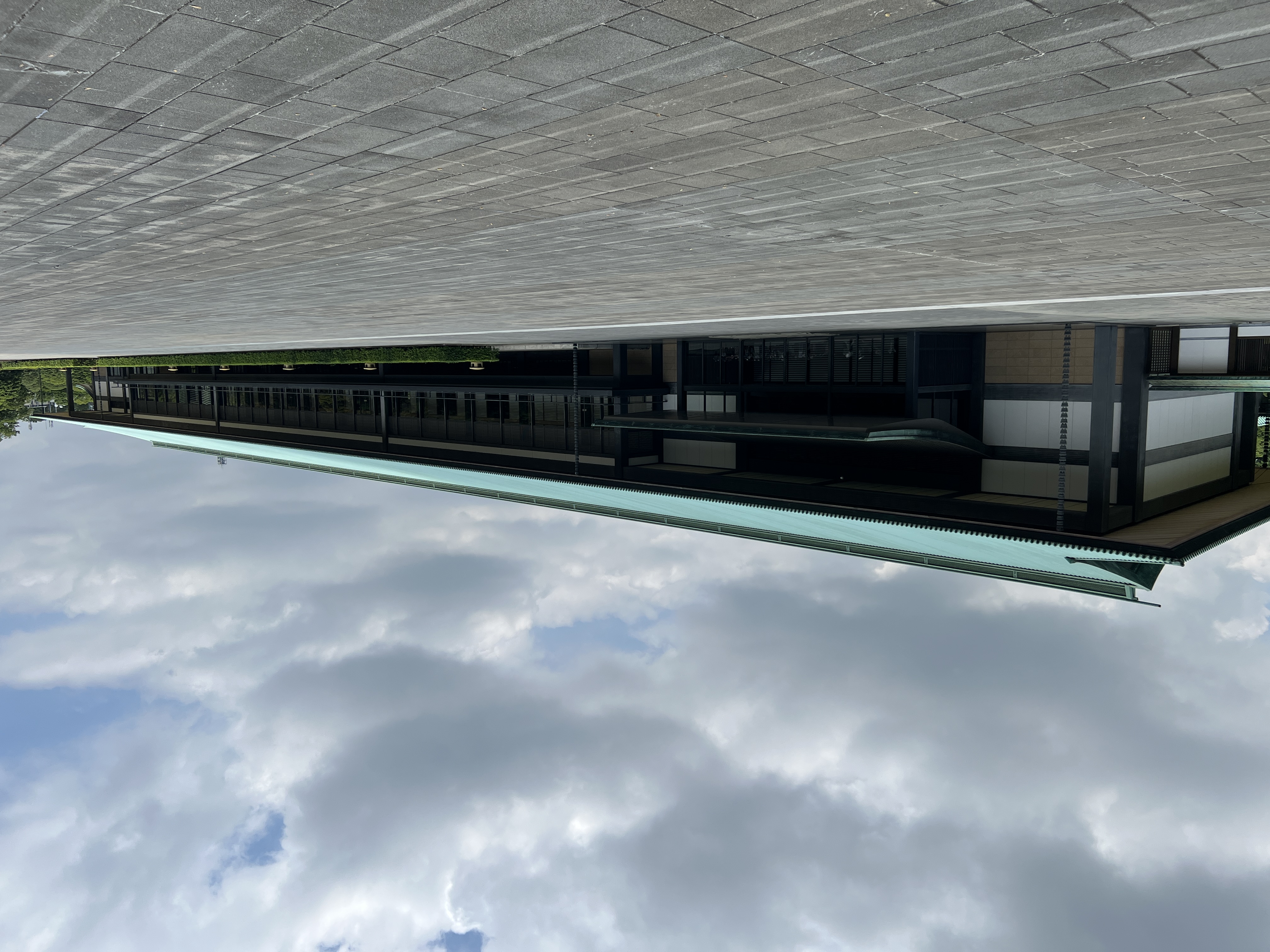
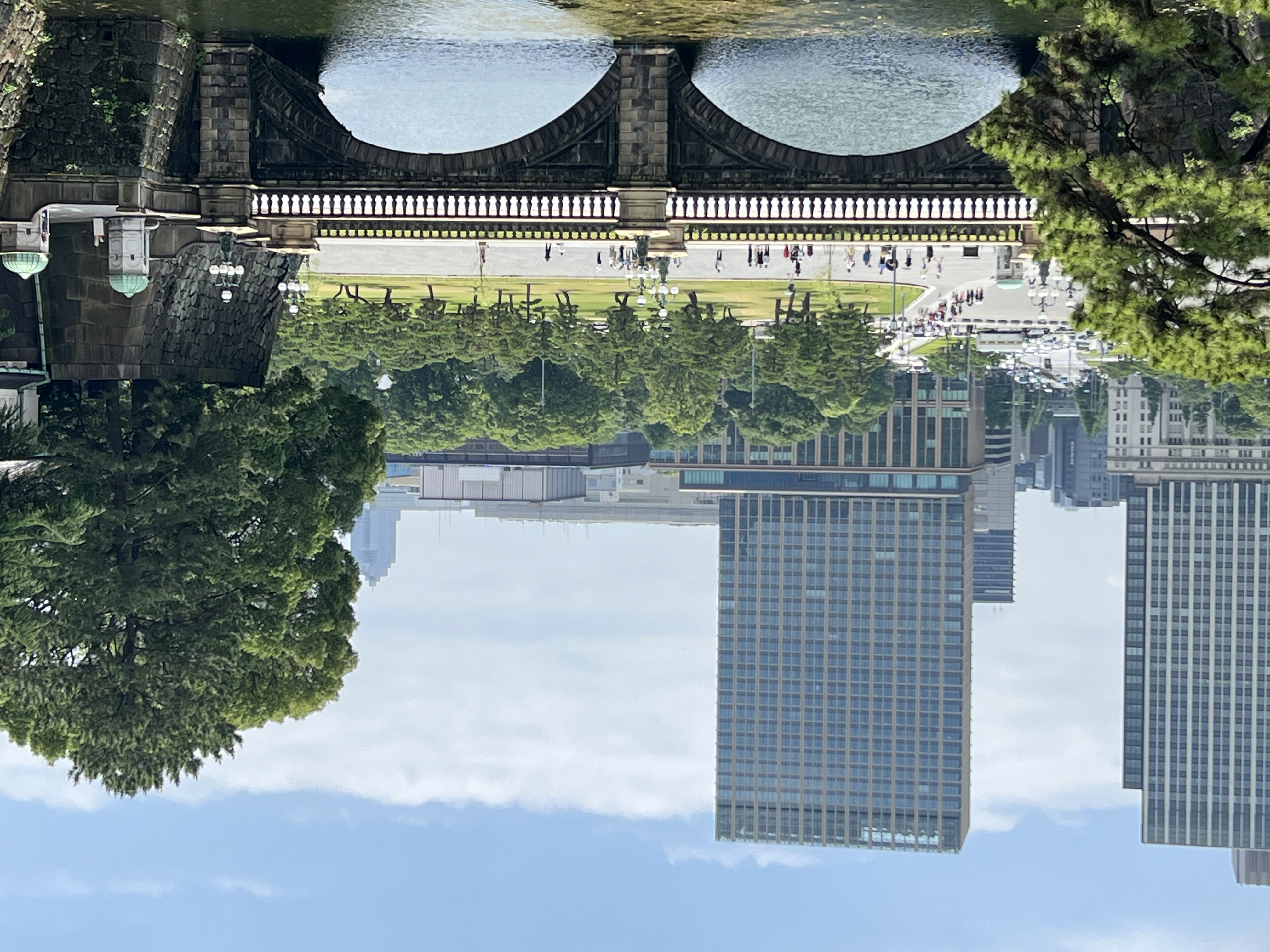
Imperial Palace
The Imperial Palace is the primary residence and workplace of the Emperor of Japan. Located in Tokyo’s Chiyoda District, it occupies the former site of Edo Castle, which served as the seat of the Tokugawa Shogunate for generations. The palace grounds are a sanctuary of tranquility and exquisite beauty, where the placement and function of every plant and architectural element have been meticulously considered.
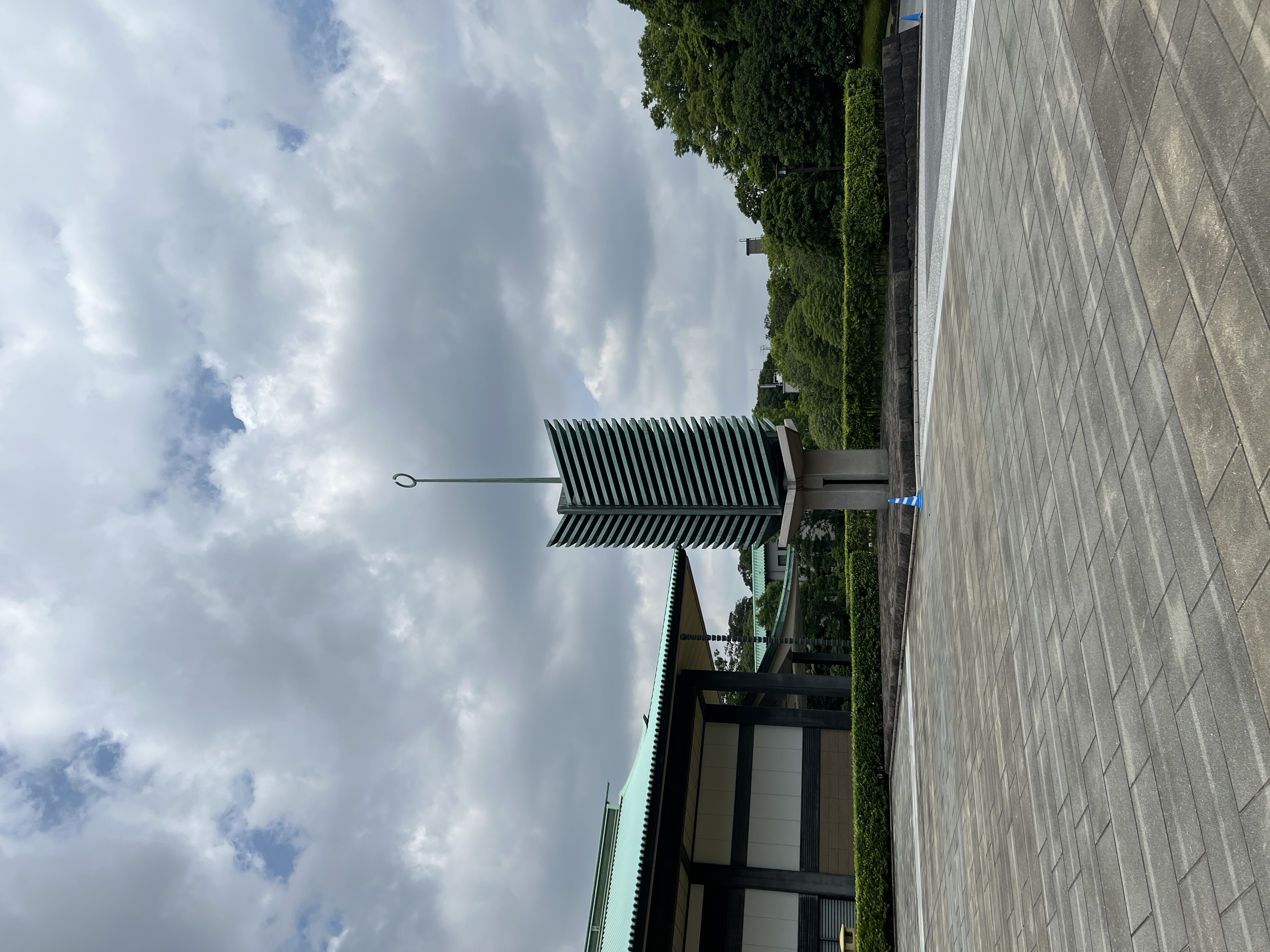
Opening Hours and Reservation Information:
Reservations for the Imperial Palace open on the 1st of the preceding month and can be made via the Imperial Household Agency’s official website. Two time slots are available: 9:30 a.m. and 12:30 p.m. Alternatively, you may choose to register on-site without a prior reservation, though spots are limited and available on a first-come, first-served basis. For more details and specific guidelines regarding the visit, please refer to the Imperial Household Agency’s official website.
Admission:Free.
Estimated Visit Duration:1.5 hours.
Address:1-1 Chiyoda, Chiyoda City, Tokyo 100-8111 Japan;
Phone:+81 3-3213-1111;
Website:Imperial Household Agency。
Map Location:
National Diet Building
Japan is a constitutional monarchy where the National Diet serves as the sole law-making organ and the highest power of the state. The Diet is bicameral, consisting of the House of Representatives and the House of Councillors. The National Diet Building, located in Tokyo’s Chiyoda District, is the seat of the Japanese parliament.
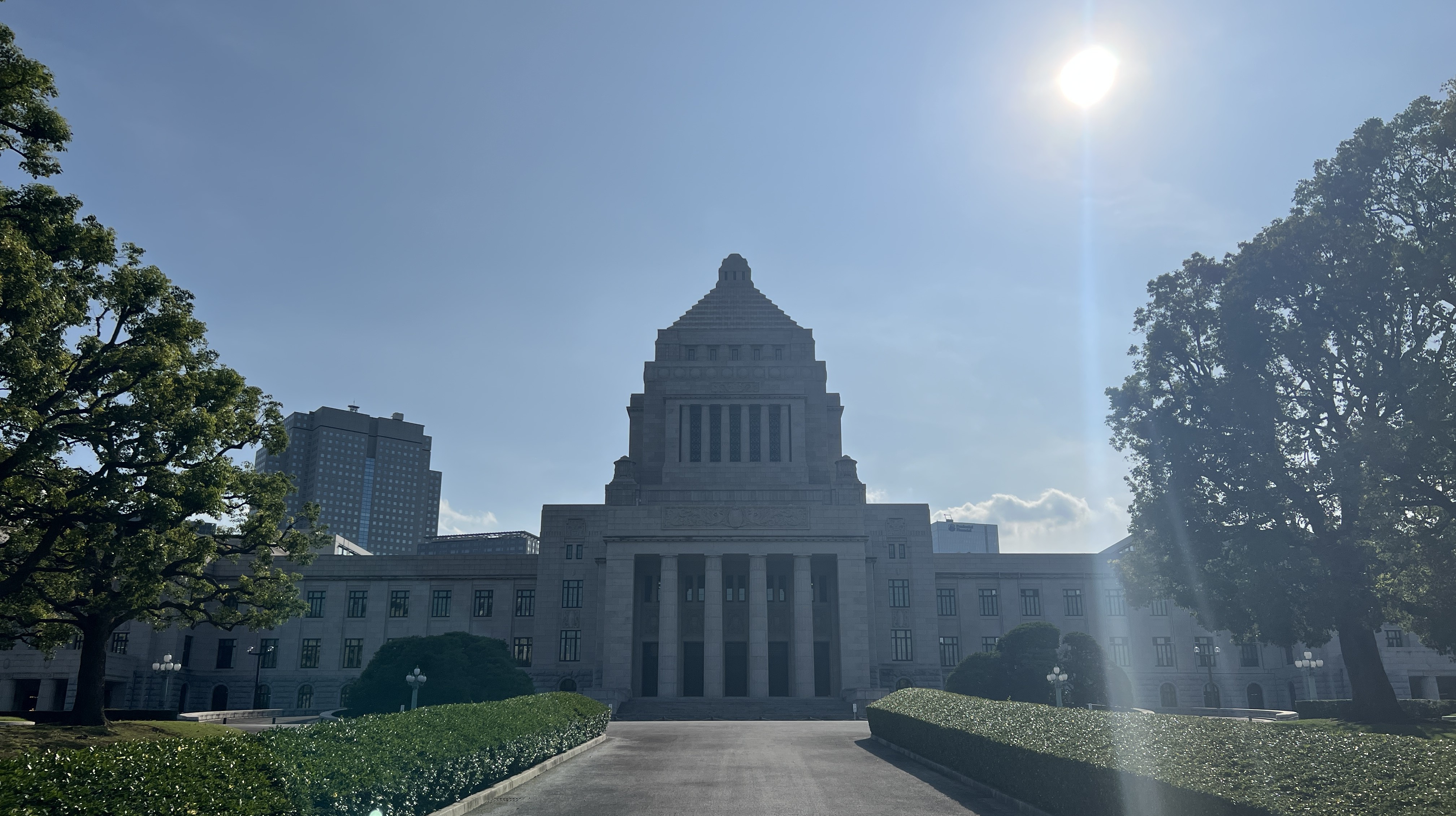
Both the House of Representatives and the House of Councillors are housed within the National Diet Building; however, their administrative jurisdictions over the premises are asymmetrical, with the House of Representatives overseeing a significantly larger portion of the complex.
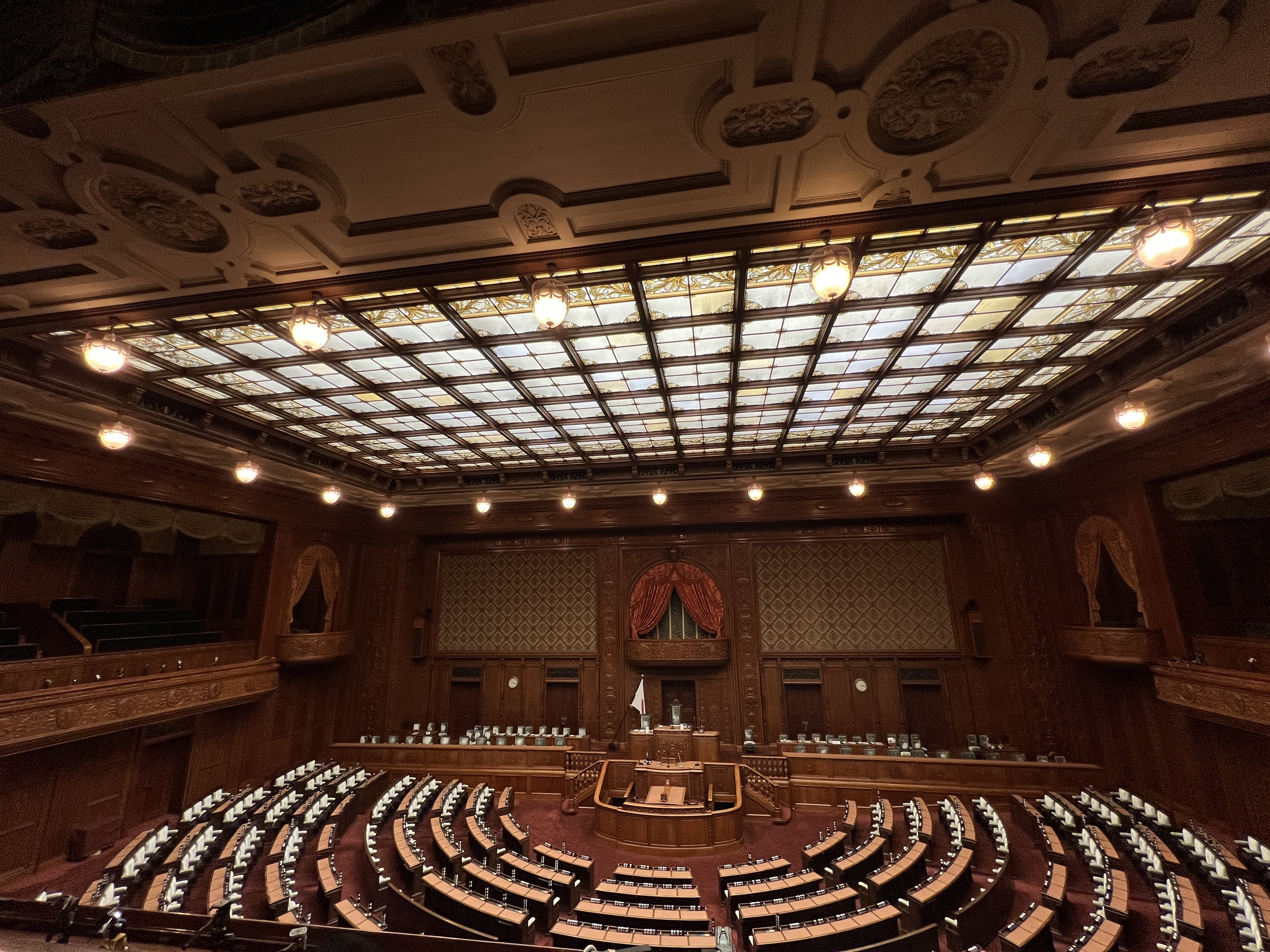
Opening Hours and Reservation Information: Reservations can be made up to two months in advance via email for the House of Representatives English tour; (only the 3:00 p.m. session on the day is in English, other sessions are in Japanese and occur approximately once every hour).
Admission: Free.
Estimated Visit Duration: 1.5 hours.
Address: 1 Chome-7-1 Nagatachō, Chiyoda City, Tokyo 100-0014 Japan;
Phone: +81 3-3581-5111;
Website: House of Councillors and House of Representatives.
Map Location:
Tokyo Station
Tokyo Station, located at 1-chome, Marunouchi, Chiyoda District, Tokyo, serves as a major railway hub for East Japan Railway Company (JR East), Central Japan Railway Company (JR Central), and Tokyo Metro. Opened in 1914, it is the terminal for numerous main railway lines across Japan. As the central station of the Tokyo metropolis, it is often referred to as the “Front Gateway” (Omote-genkan) to the city. For more information, please refer to Wikipedia.
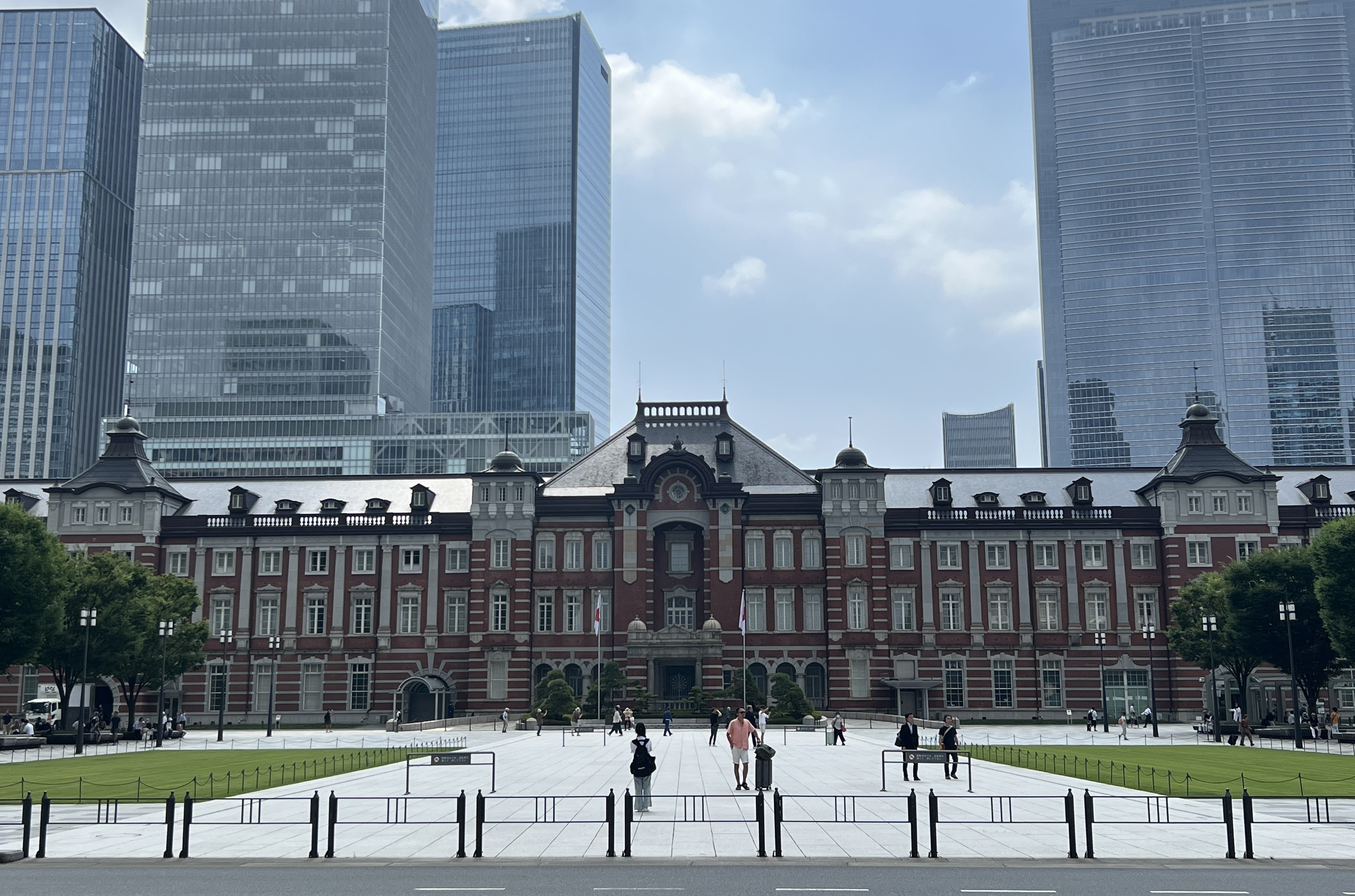
Opening Hours: Open all day.
Admission: Free.
Estimated Visit Duration: 15 minutes.
Address: 1 Chome-9 Marunouchi, Chiyoda City, Tokyo 100-0005 Japan;
Phone: +81 3-3211-0001;
Website: Tokyo Station.
Map Location:
Western Region
Shibuya
Broadly speaking, “Shibuya” refers to the entire Shibuya City (ward) of Tokyo, covering a vast area. However, the Shibuya most familiar to the public is more narrowly defined—the district radiating from Shibuya Station, composed of several iconic streets. The bustling Shibuya Station and Shibuya Center-gai are among Tokyo’s most vibrant commercial hubs, a vibrancy that becomes even more pronounced during holidays (such as winter and summer breaks or the New Year). Each day, the Shibuya Crossing at the central plaza stages a spectacular choreography of human tides, ebbing and flowing with every change of the traffic lights.
Shibuya is also a premier destination for gourmets, offering an incredible array of culinary delights from across Tokyo and all of Japan.
Opening Hours: Open all day.
Admission: Free.
Estimated Visit Duration: Variable!
Address: Shibuya, Tokyo, Japan.
Map Location:
Meiji Shrine (not visited)
Meiji Shrine is located in Shibuya, Tokyo, and is dedicated to the deified spirits of Emperor Meiji and his consort, Empress Shoken.
Opening Hours: Open all day.
Admission: Free.
Estimated Visit Duration: 30 minutes.
Address: 1-1 Yoyogikamizonocho, Shibuya, Tokyo 151-8557 Japan;
Phone: +81 3-3379-5511;
Website and Visit Guide: Meiji Shrine.
Map Location:
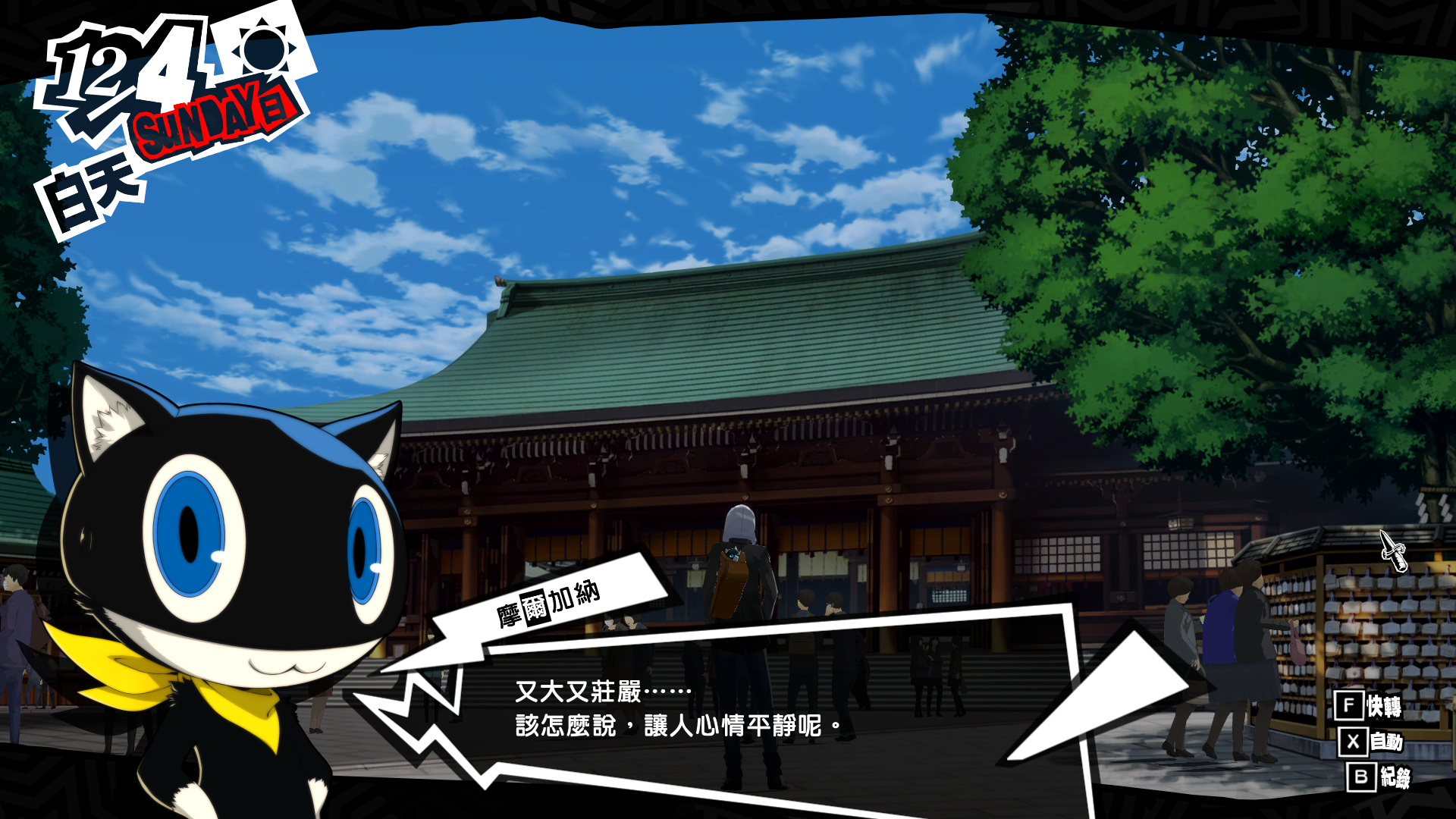
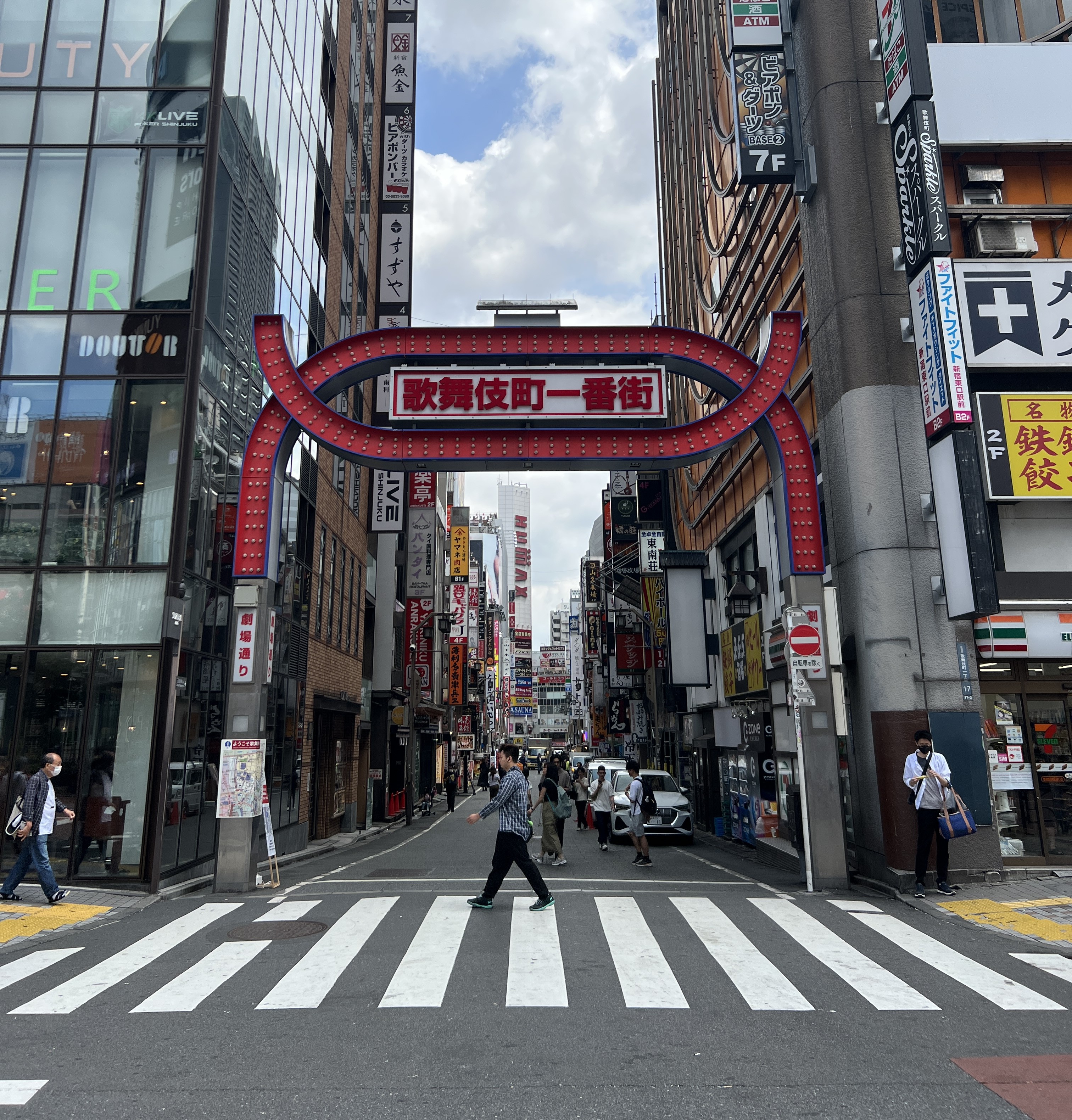
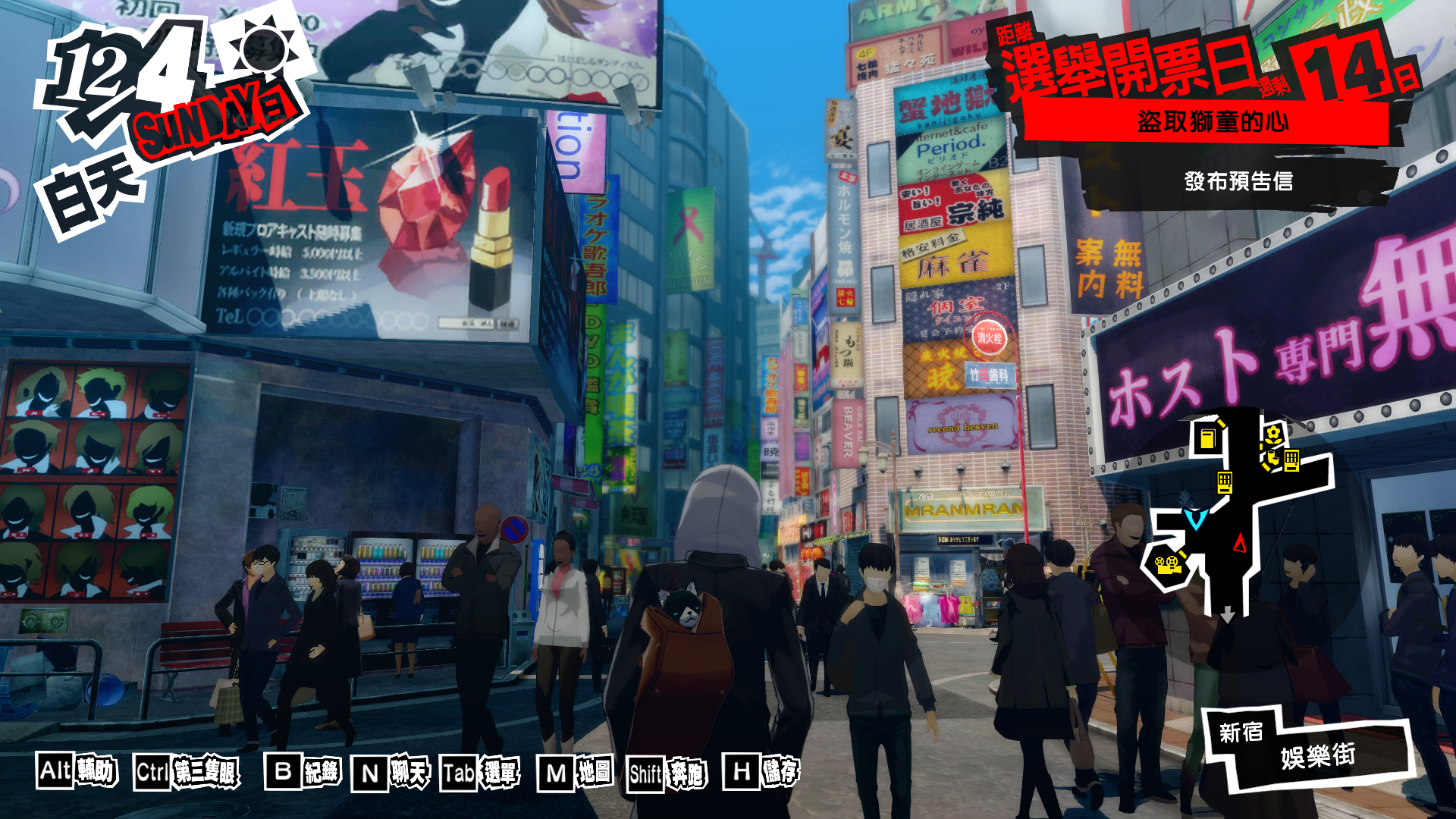
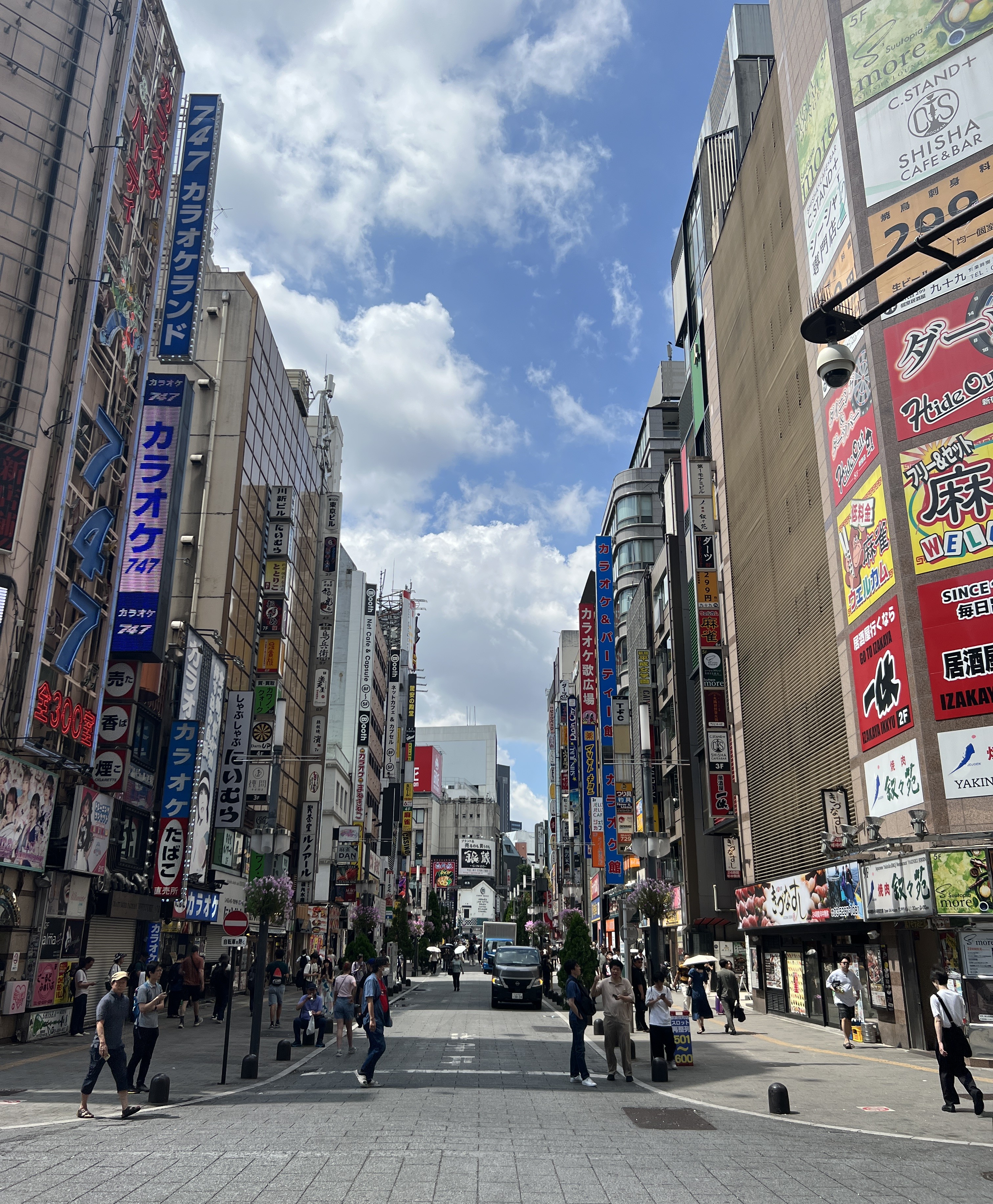
Shinjuku
Shinjuku, a special ward of Tokyo located west of the city center, stands as one of the metropolis’s most thriving districts. Centered around Shinjuku Station, the area spans several blocks densely packed with shopping malls, bars, gaming parlors, and various entertainment venues. A distinctive feature of Shinjuku is that it houses Tokyo’s largest red-light district; the famous Kabukicho Ichibangai is located right here. Along with Shibuya and Ikebukuro, Shinjuku is recognized as one of Tokyo’s three major “Subcenters” (Fukudoshin).
Opening Hours: Open all day. (Of course, it’s open at night!)
Admission: Free. (Whether it’s free depends on personal preference!)
Estimated Visit Duration: 30 minutes. (The duration depends on the activities chosen!)
Address: 〒160-0021 Shinjuku, Tokyo
Map Location:
Did you know?
•The development of Shinjuku is closely tied to its relatively stable ground. The Great Kanto Earthquake of 1923 severely impacted Tokyo's commercial centers at the time, Ginza and Asakusa, while Shinjuku, located on more stable ground, was less affected. This allowed Shinjuku to develop rapidly after the earthquake.
Yoyogi Park (not visited)
Yoyogi Park is located in Shibuya, Tokyo, situated to the north-northwest of Shibuya Station. It is a large urban park with a beautiful environment. In spring, you can enjoy cherry blossoms in Yoyogi Park, and on weekdays, you can also discover various activities and local scenes of Tokyo in the park.
Opening Hours: Open all day.
Admission: Free.
Estimated Visit Duration: 30 minutes.
Address: 2 Chome-1 Yoyogikamizonocho, Shibuya City, Tokyo 151-0052 Japan;
Phone: +81 3-3469-6081;
Website:Yoyogi Park.
Map Location:
Sangenjaya (not visited)
At first glance, this is a seemingly ordinary neighborhood in Tokyo’s Setagaya City, yet it remains an incredibly popular residential area. (It is also the real-world inspiration for “Yongen-Jaya,” the location of Café Leblanc where Ren Amamiya works. Unfortunately, I didn’t have enough time to visit this time!!)
Address: 〒154-0024 Setagaya City, Tokyo
Map Location:
Southern Area
Tokyo Tower
Tokyo Tower (officially the Nippon Television City Corporation tower) is a telecommunications and observation tower in Tokyo, primarily used for broadcasting television and radio signals. Built in 1958 and standing at 332.9 meters, it is the second-tallest structure in Japan, surpassed only by the Tokyo Skytree. With its elegant and minimalist silhouette, Tokyo Tower attracts millions of visitors annually. (It is also an iconic filming location for countless Japanese dramas, anime, and games!)
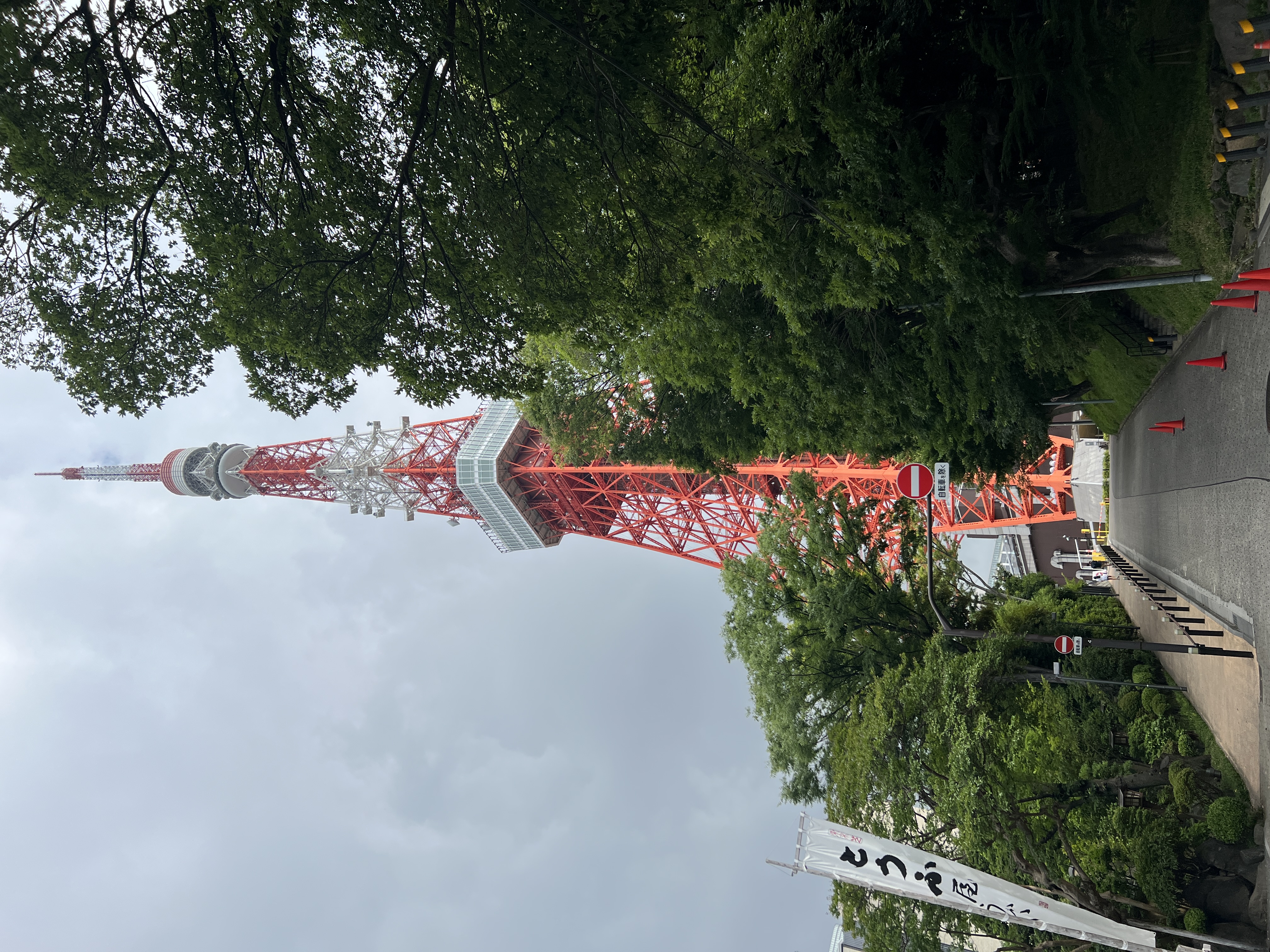
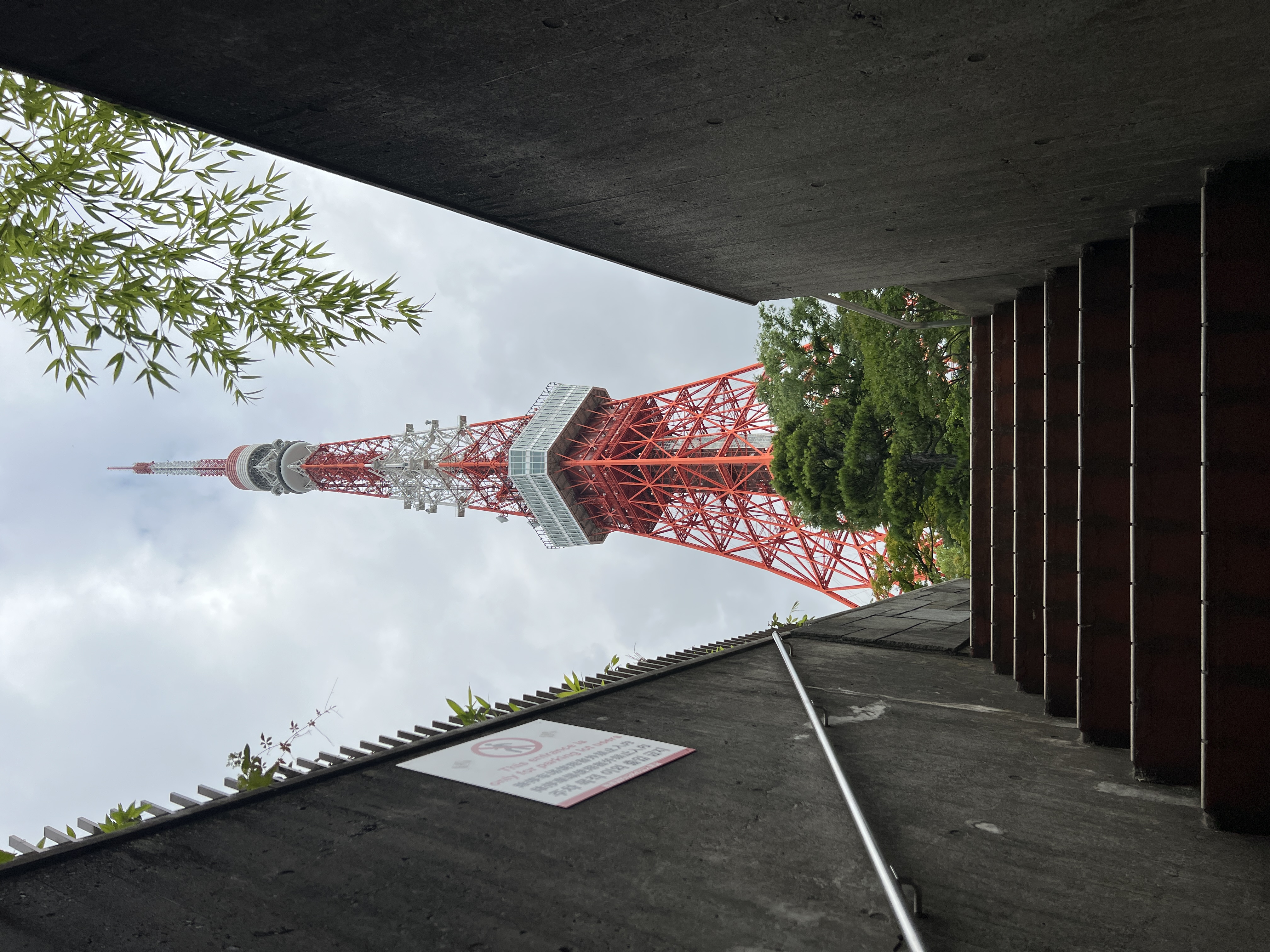
Opening Hours: 9:00 a.m. - 11:00 p.m. (Last admission at 10:30 p.m.)
Tickets:
¥1500 Adults;
¥1200 High School Students;
¥900 Elementary and Junior High School Students;
¥600 Children (4 years and older);
Free for infants 4 years and under.
Estimated Visit Duration: 1 hour.
Address: 4 Chome-2-8 Shibakoen, Minato City, Tokyo 105-0011 Japan;
Phone: +81 3-3433-5111;
Website: Tokyo Tower.
Map Location:
Did you know?
•Tokyo Tower was modeled after the Eiffel Tower in Paris.
•Tokyo Tower's exterior is painted in bright orange and white. It is repainted every five years, with each repainting taking one year to complete.
Zojoji Temple
Zojoji Temple is located in Minato City, Tokyo, near Tokyo Tower. It is a Jodo sect Buddhist temple, with the mountain name Sanyenzan.
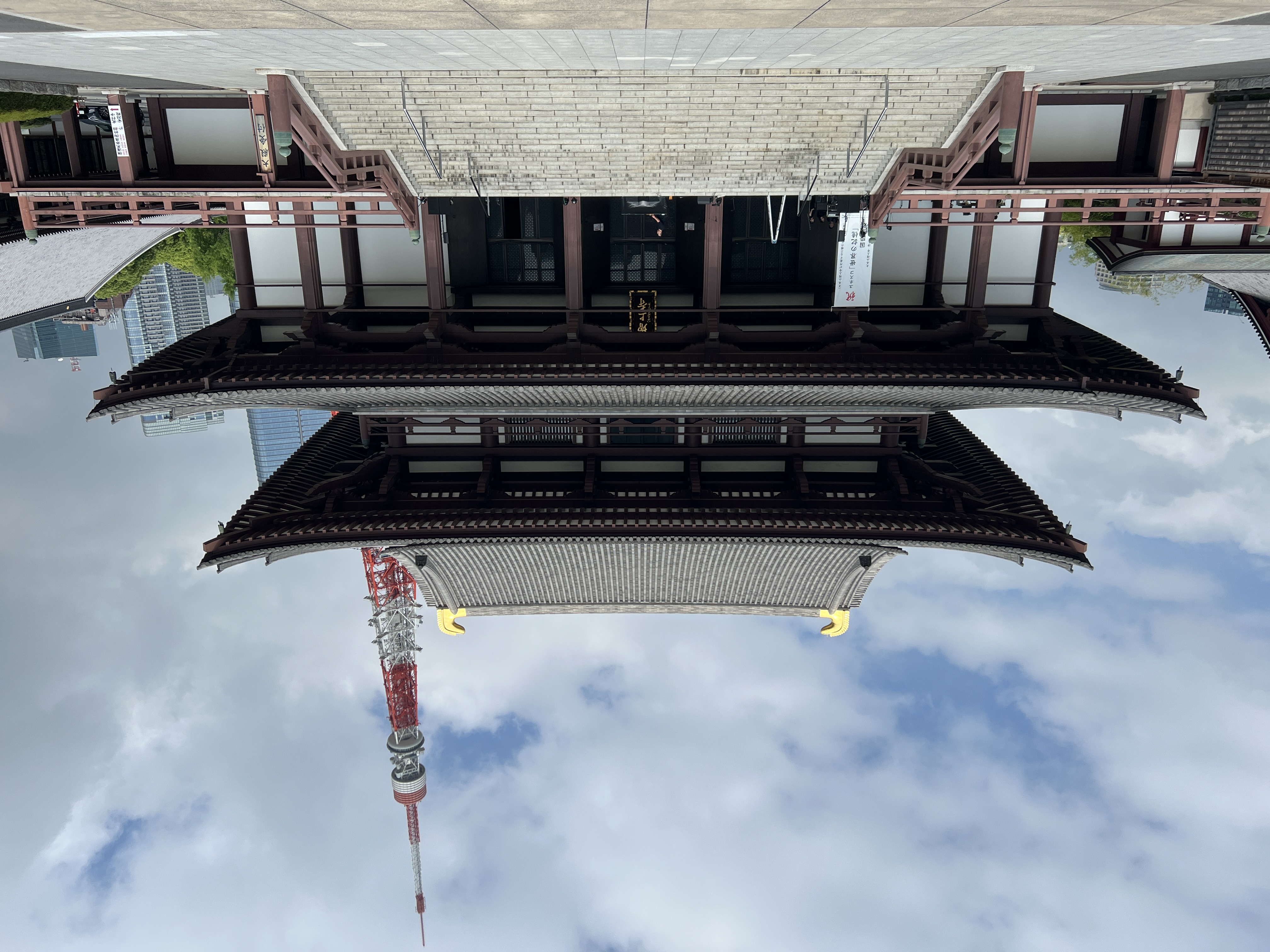
Opening Hours: 9:00 a.m. - 5:00 p.m.
Tickets: Free.
Estimated Visit Duration: 30 minutes.
Address: 4 Chome-7-35 Shibakoen, Minato City, Tokyo 105-0011 Japan;
Phone: +81 3-3432-1431;
Website: Zojoji Temple.
Map Location:
Other Areas
Japan Airlines and All Nippon Airways Hangars
Visit the hangars of Japan Airlines (JAL) and All Nippon Airways (ANA) located at Tokyo Haneda Airport. Explore the composition and functions of the hangars, learn about the maintenance and care processes of aircraft, and get up close to the sky machines that represent modern human aviation technology!
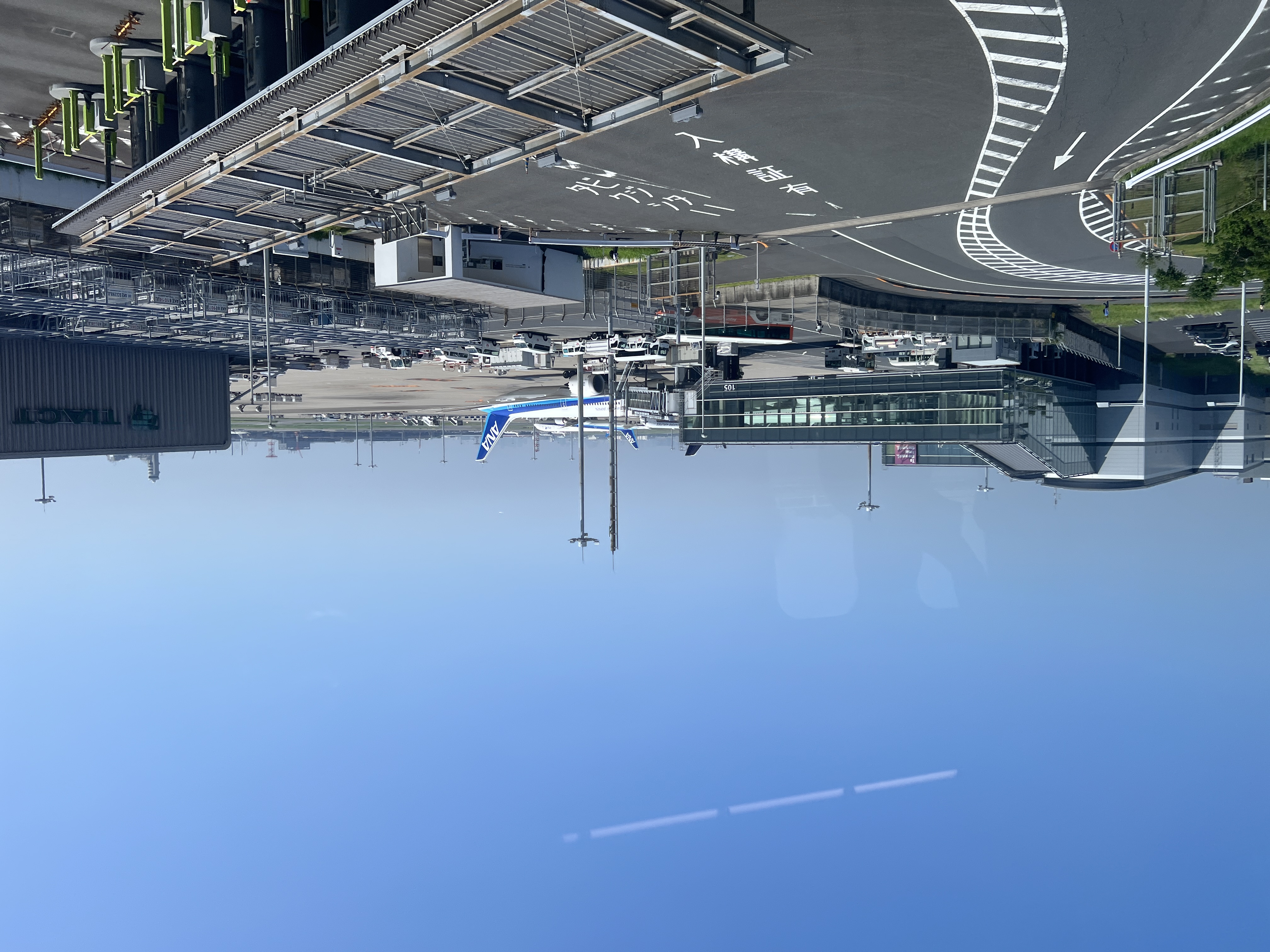
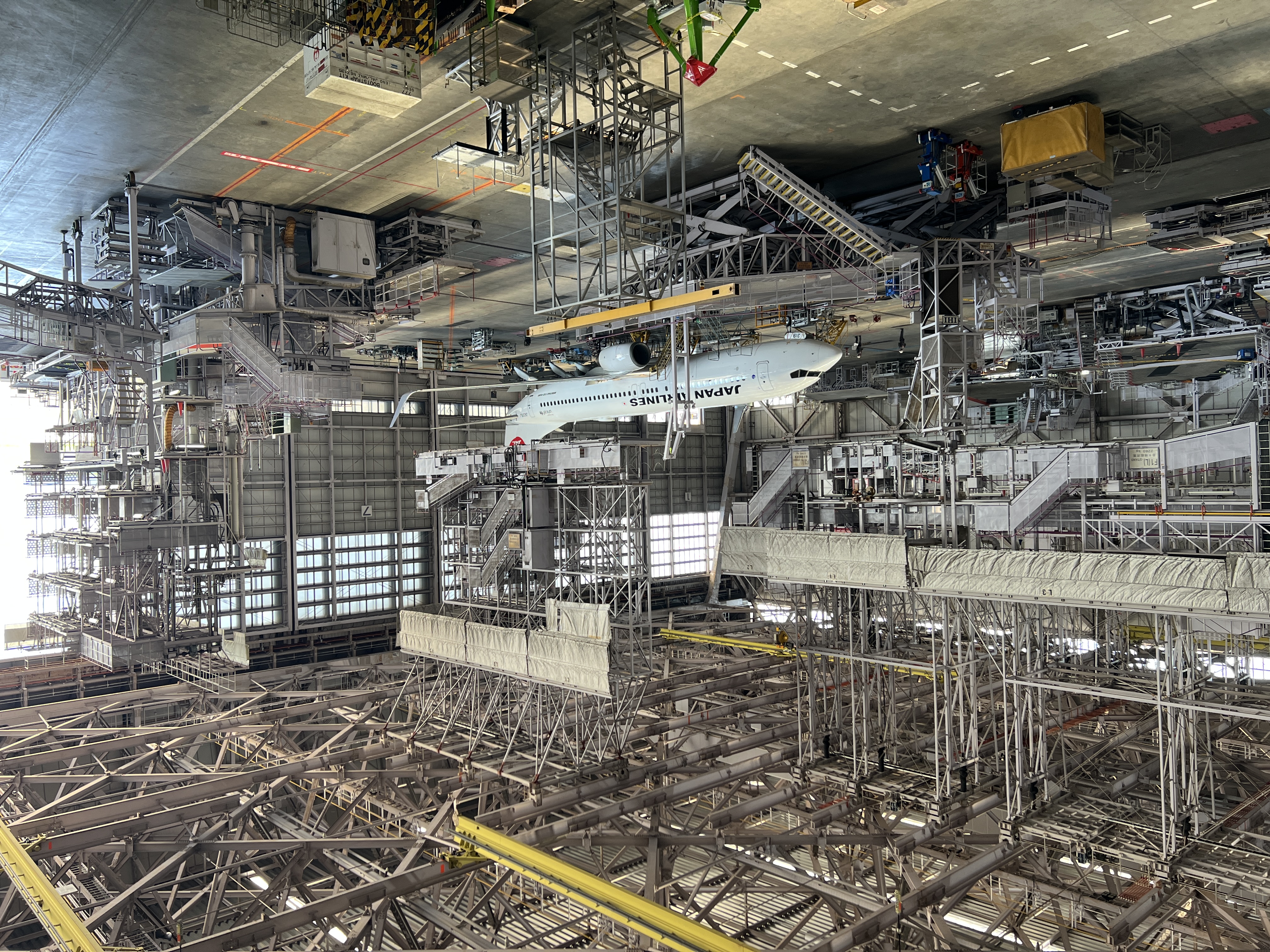
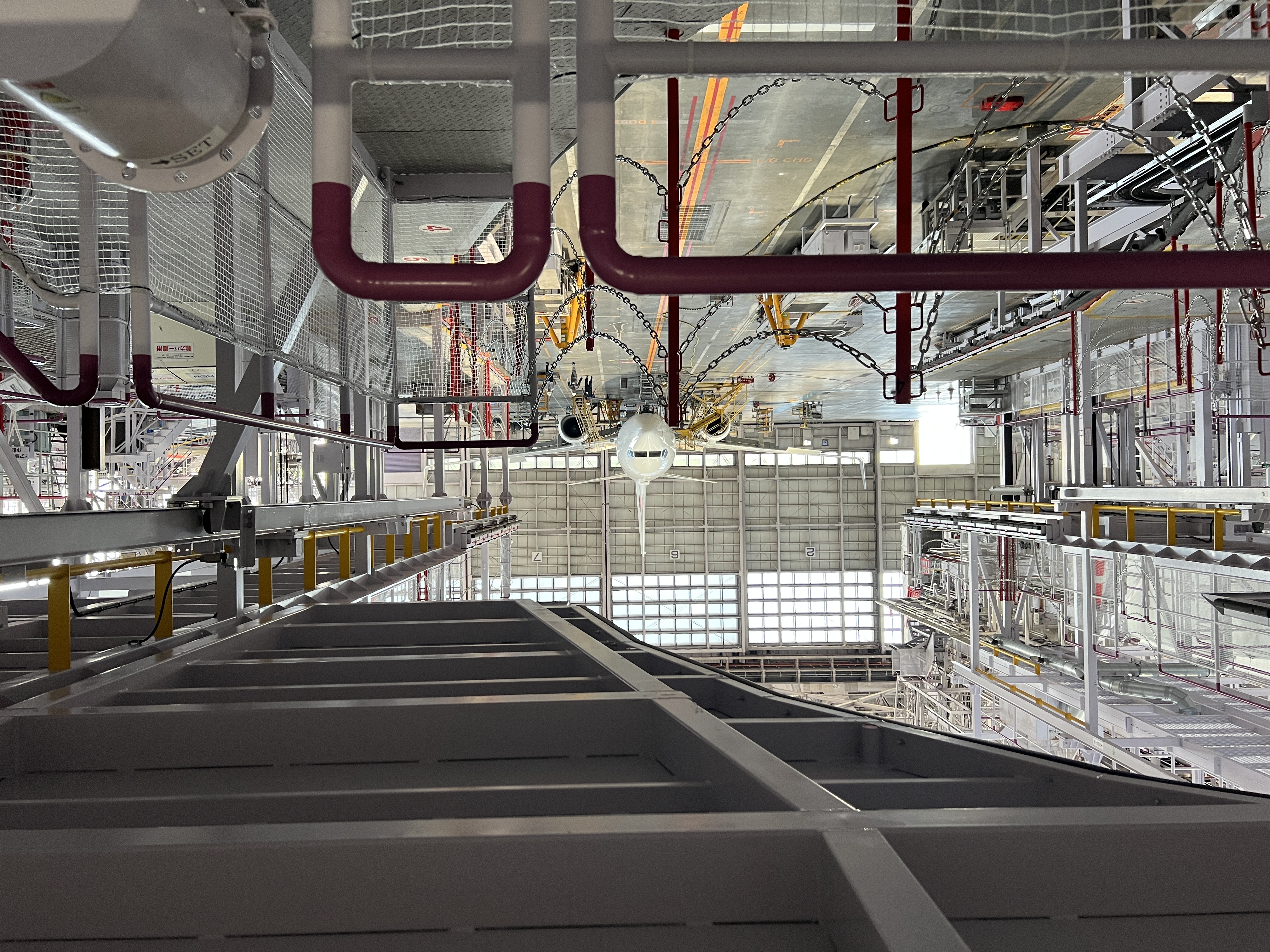
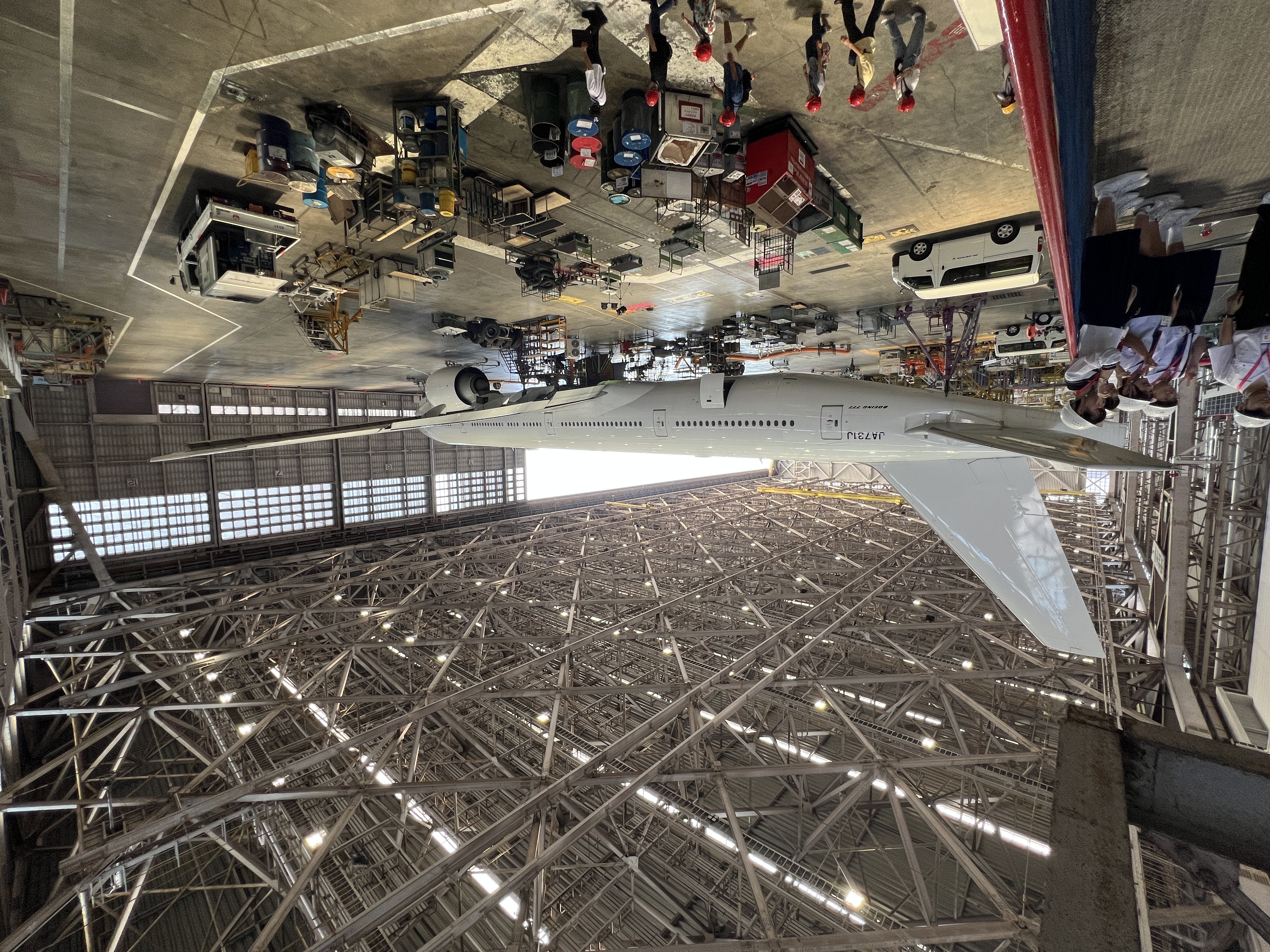
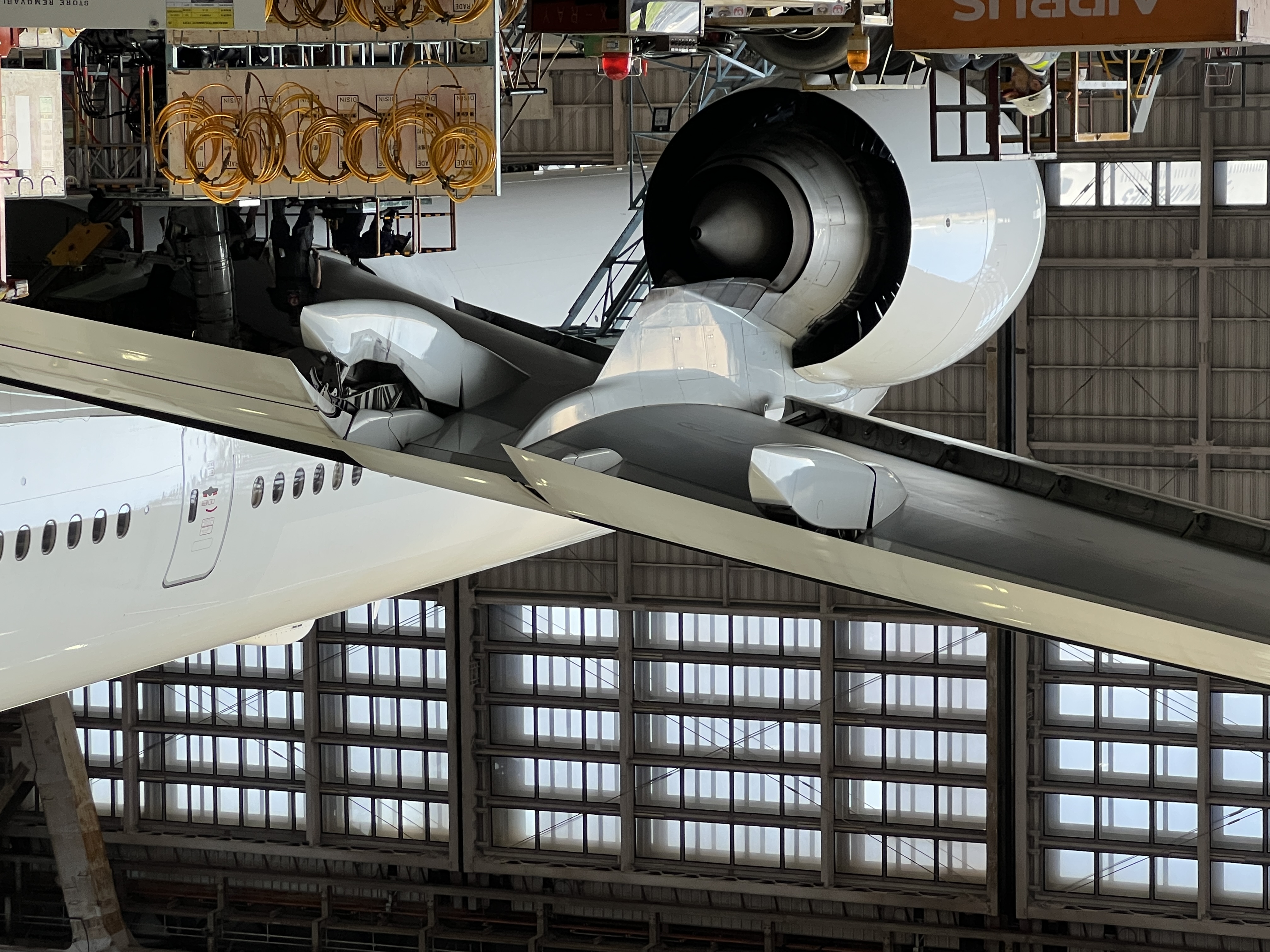
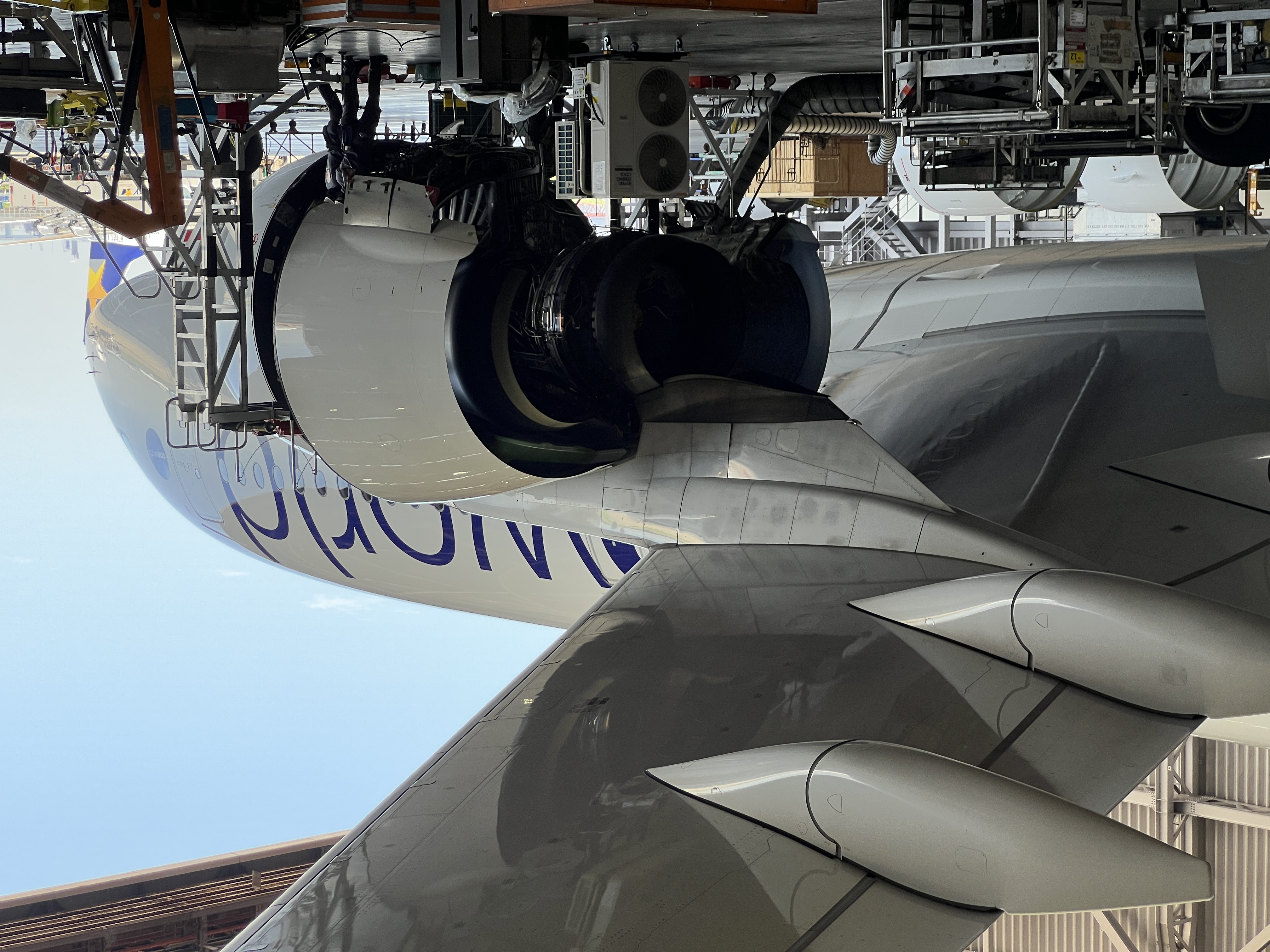
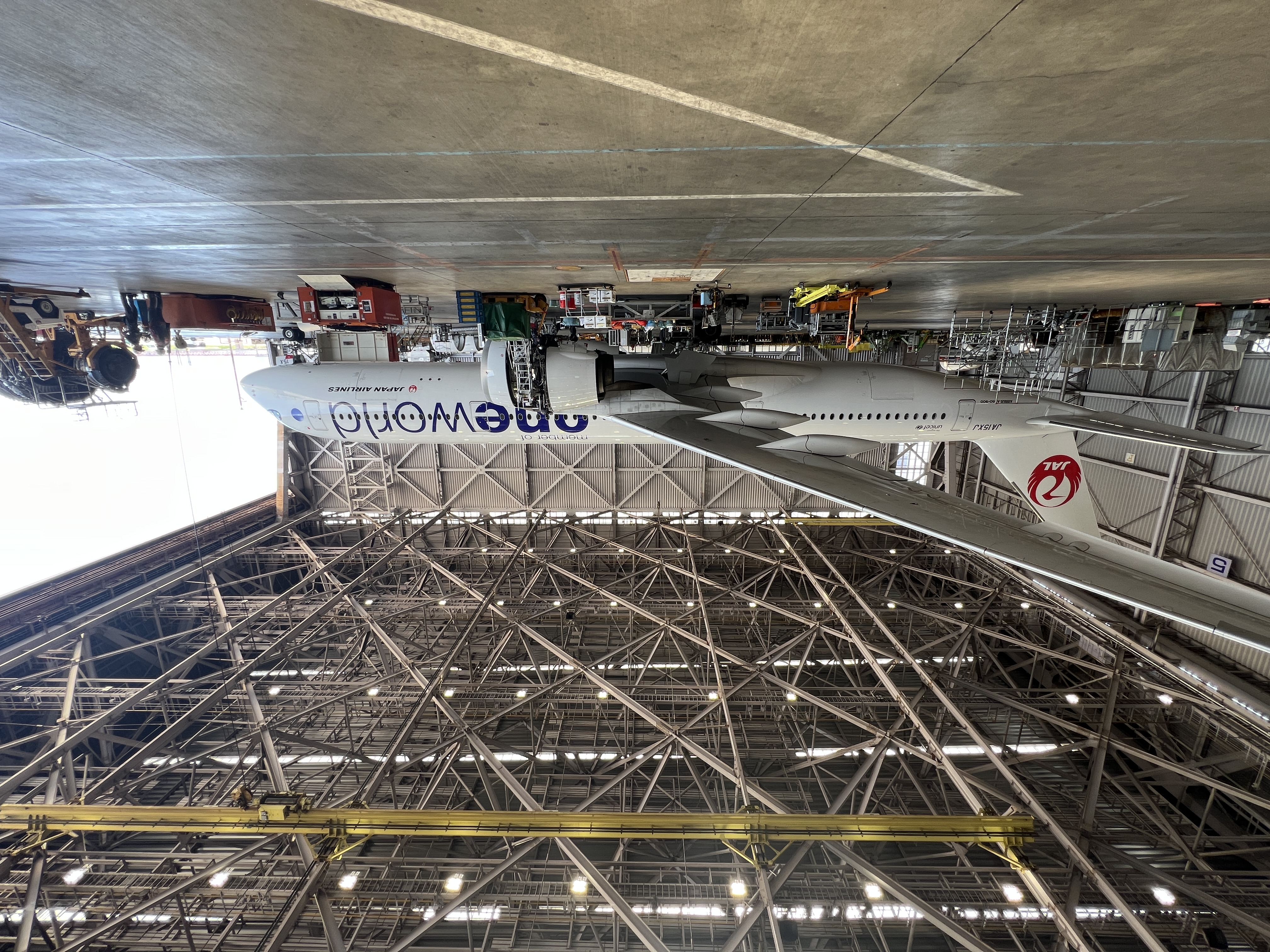
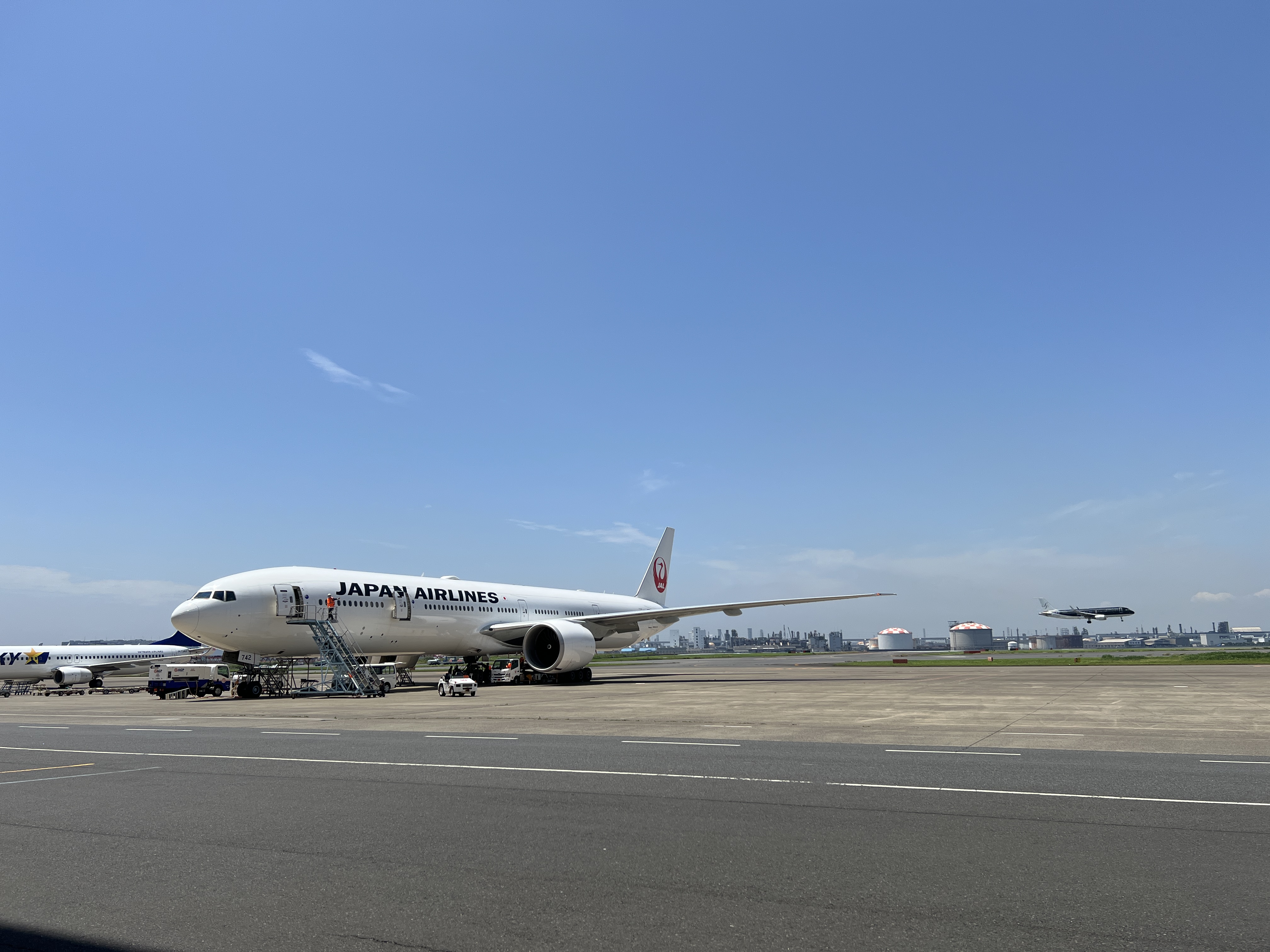
Japan Airlines Hangar (JAL Sky Museum):
Monday, Tuesday, Thursday, Saturday, Sunday (closed on public holidays):
9:30 a.m.-11:20 a.m.;
10:45 a.m.-12:35 p.m.;
2:45 p.m.-4:35 p.m.
Reservation Information: Slots are released at 9:30 a.m. Tokyo time one month in advance on the same day (if the date does not exist one month prior, it will be postponed by one day). Reservations are only accepted through the Japan Airlines official website.
Tickets: Free.
Address: JAL Maintenance Center, 1, 3 Chome-5-1 Hanedakuko, Ota City, Tokyo 144-0041 Japan;
Phone: +81 3-5460-3755;
Website: Japan Airlines official website。
Map Location:
Tuesday to Saturday (closed on public holidays):
9:30 a.m.-10:45 a.m.;
10:45 a.m.-12:00 p.m.;
1:00 p.m.-2:15 p.m.;
2:15 p.m.-3:30 p.m.;
3:30 p.m.-4:45 p.m.
ANA Blue Hangar Tour: Similarly, only online reservations are accepted. Slots are released at 9:30 a.m. Tokyo time 30 days in advance on the ANA official website. Reservation times can be found in the schedule. Please arrive at the designated meeting point at least 10 minutes early.
Tickets: Free.
Address: Component Maintenance Building, 3 Chome-5-5 Hanedakuko, Ota City, Tokyo 144-0041 Japan;
Phone: +81 3-6700-2222;
Website: ANA official website。
Map Location:
Ghibli Museum, Mitaka
The Ghibli Museum, Mitaka is located in Mitaka City, Tokyo, and was founded by Hayao Miyazaki, the renowned animator and co-founder of Studio Ghibli. The museum features numerous elements from Miyazaki’s animations. It is an absolute delight for fans of Miyazaki’s animations!!
Opening Hours and Reservation Information:
Open every day except Tuesday: 10:00 a.m. - 6:00 p.m.
Tuesday: Closed
Tickets for the previous month are released at 10:00 a.m. Tokyo time on the 10th day of the previous month, and can be reserved through the (foreign version) Lawson ticketing platform.
Tickets:
Adult ¥1000
Junior High and High School Students ¥700
Elementary School Students ¥400
Children (4 years and older) ¥100
Infants (under 4 years old) Free
Estimated Visit Duration: 2 hours.
Address: 1 Chome-1-83 Shimorenjaku, Mitaka, Tokyo 181-0013 Japan;
Website: Ghibli Museum, Mitaka.
Map Location:
The Mount Fuji
The Mount Fuji
The world-renowned Mount Fuji (ふじさん, the Mount Fuji) is situated approximately 80 kilometers southwest of Tokyo, straddling the border between Shizuoka and Yamanashi prefectures. With its primary peak reaching an elevation of 3,776 meters, it stands as the highest mountain in Japan. As an enduring symbol of the nation, Mount Fuji has held a sacred status in the hearts of the Japanese people since ancient times, featuring prominently in a vast array of classical literature, poetry, and artwork. In 2013, Mount Fuji, along with the Fujisan Hongu Sengen Taisha shrines, was officially designated as a UNESCO World Heritage site.
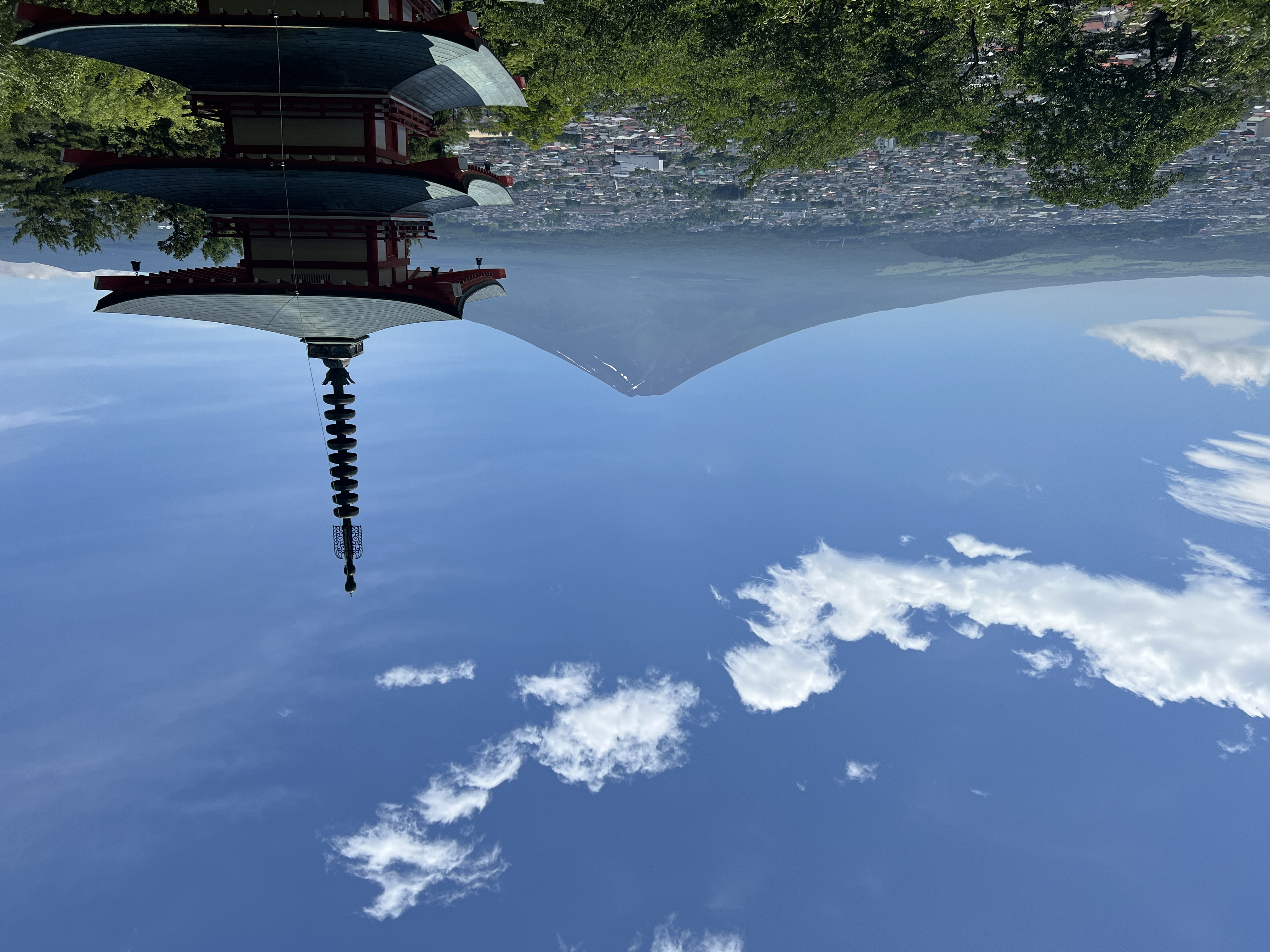
“合目” is a Japanese unit, where one “合目” represents one-tenth of the height from the base to the summit. Mount Fuji has well-maintained roads leading up the mountain, allowing visitors to travel by car (or drive themselves) to the fifth station of Mount Fuji. Along the way, there are numerous signs and viewing platforms to stop at. The fifth station of Mount Fuji is the largest rest and supply area in the Mount Fuji scenic area, featuring many food shops and souvenir stores, as well as the Fuji Post Office and the Mount Fuji Komitake Shrine! For visitors who do not require reaching the summit of Mount Fuji, the fifth station is an excellent final destination within the Mount Fuji scenic area.
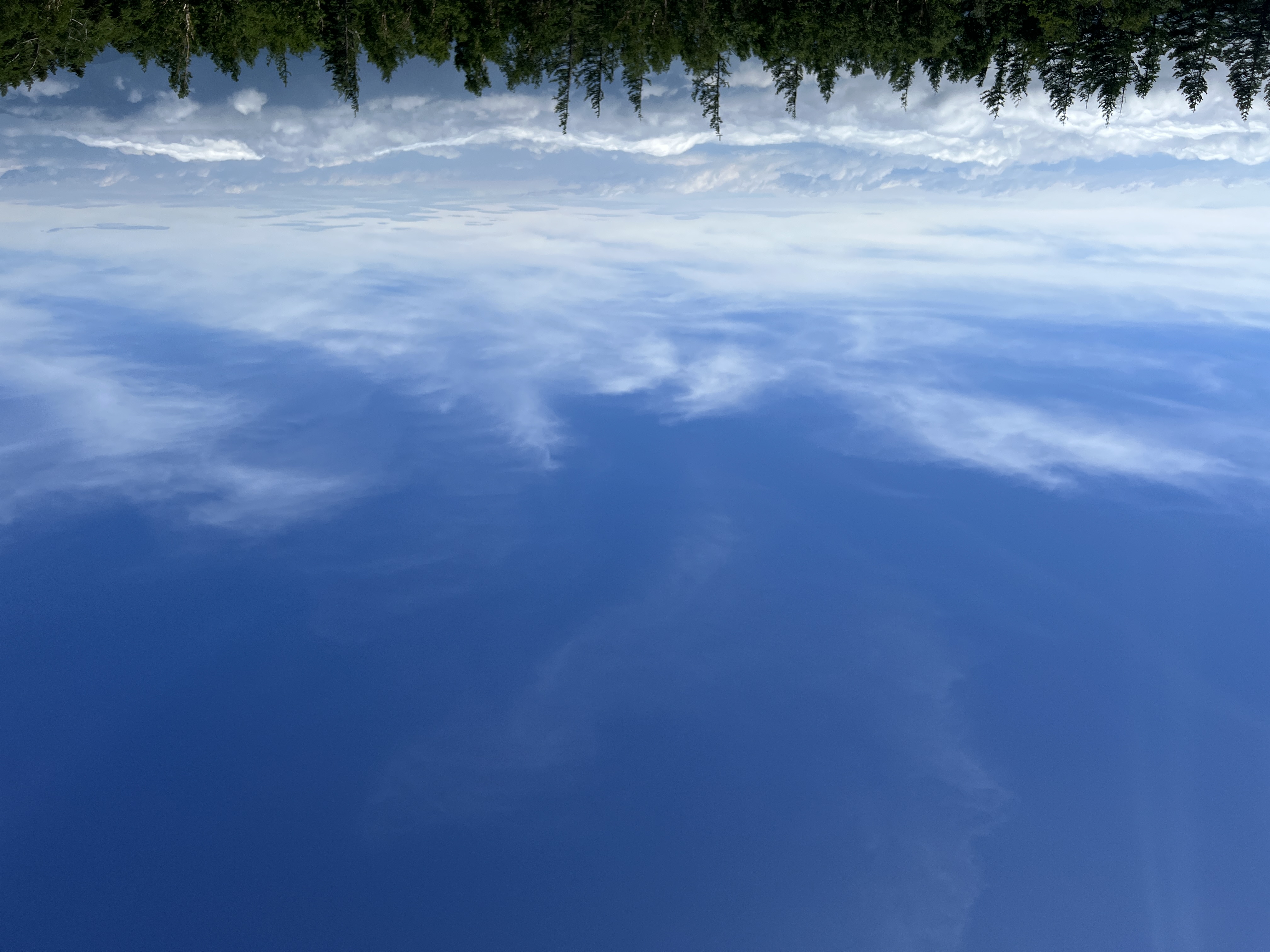
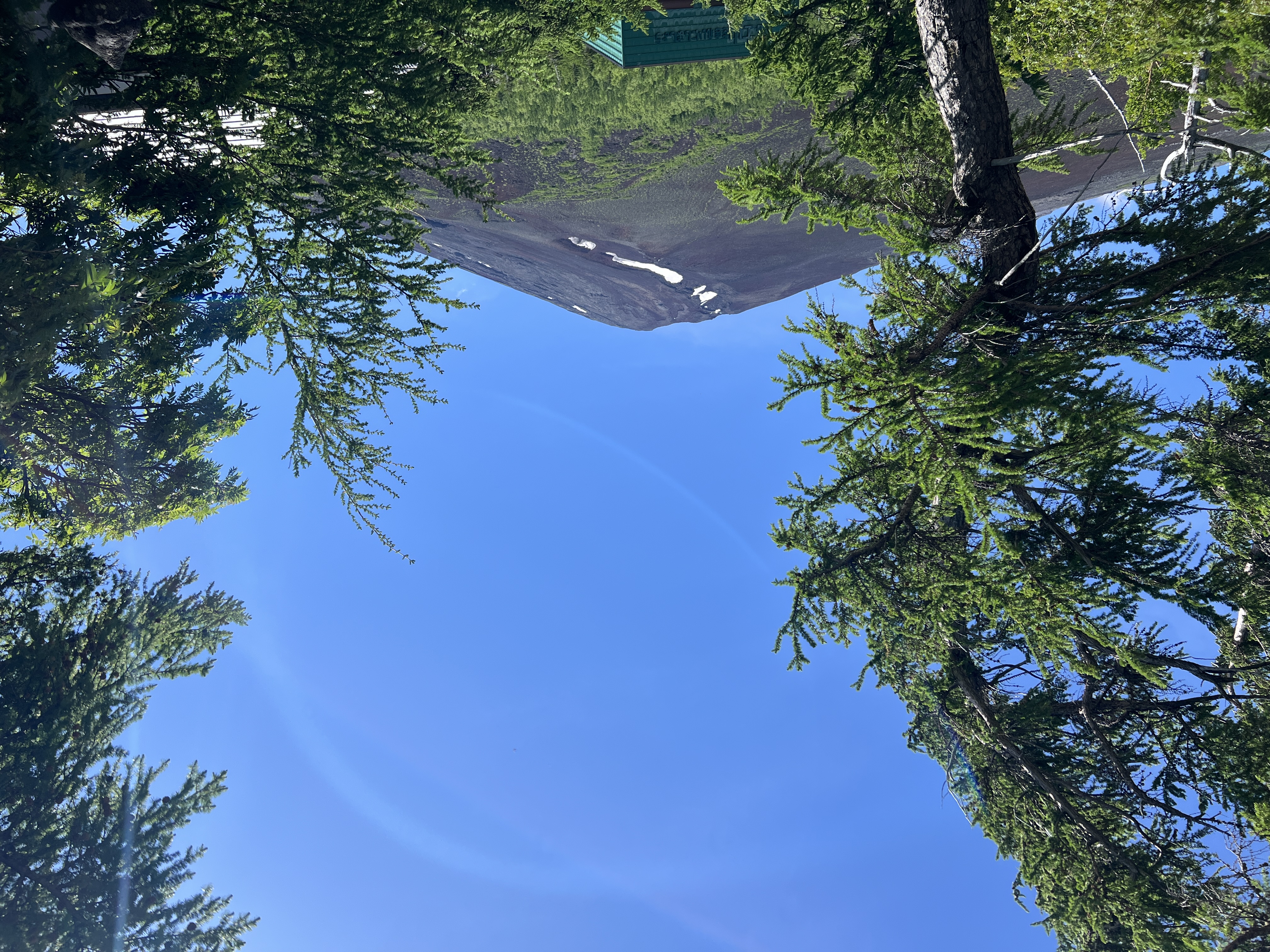
Mount Fuji is a prime location for witnessing breathtaking sunrises and sunsets. For adventurous climbers, reaching the summit is a challenge well worth undertaking. There are four main routes to the top: the Subashiri Trail, the Fujinomiya Trail, the Gotemba Trail, and the Yoshida Trail. All routes commence at the “5th Station” (note that there are several “5th Stations” around the mountain, not just one specific location). The following details regarding these routes are excerpted from the Japan National Tourism Organization (JNTO).
Diverse terrain, fewer climbers, and an interesting descent route make this an excellent route to the summit of Mount Fuji. Starting at an altitude of about 2000 meters, the Subashiri Trail is characterized by forest-covered winding paths and beautiful scenery. There are many facilities along the way, and the entire route faces east, making it an excellent choice for watching the sunrise.
Route Overview:
• Starting from the Subashiri 5th Station at an altitude of 1970 meters;
• Ascent: about 5-7 hours, with shade covering the first half of the route;
• Descent: about 2-4 hours, enjoying the pleasant winding mountain path from the 7th Station;
• The ascent and descent routes are different.
Route Overview:
Subashiri is a less frequented climbing route but equally worth trying. The first half of the ascent (up to near the 7th Station) passes through forested areas, providing ample shade from the sun. This route is known for its long volcanic sand paths and the rocky descent route, allowing for a quick slide down. Be cautious, as this route merges with the popular Yoshida Trail around the 8th Station, which can cause slow progress and crowding near the summit around sunrise. Fortunately, once above the tree line, you can enjoy the sunrise from various points along the Subashiri Trail.
Facilities:
Along the Subashiri route, there are many mountain huts. Most stations have huts and restrooms (usage fee of 200-300 yen), and sell food and drinks. You can also purchase hiking poles along the way and get them stamped at each hut. The section from the 8th Station to the summit is the longest part of the climb, taking over 100 minutes without breaks, so be sure to rest at the Goraikoukan hut, the last hut before the summit.
Starting the Climb:
Take a bus to the Subashiri 5th Station on the east side of Mount Fuji. Buses from Gotemba Station generally run from 7:35 AM to 5:35 PM, with a round-trip fare of 2100 yen. At the 5th Station, you can find two shops, a tourist information center, and restrooms. Please note that there are no lockers available on-site, so only bring the items necessary for climbing.
Reaching the Trailhead:
During the climbing season, the most convenient way to reach the trailhead is by bus from Gotemba Station. Alternatively, you can drive to the Subashiri Multipurpose Square and then take a shuttle bus to the 5th Station trailhead.
Climbing Process:
The climb from the 5th Station to the summit is expected to take at least 5.5 hours. The first half of the ascent passes through charming forested terrain. The longest section is between the 8th Station and the summit, taking about 100 minutes. The Subashiri route merges with the Yoshida route starting here, leading to more crowds and slower progress. Keep this in mind, especially on weekends and holidays, as the narrow mountain paths can become congested, making the final stretch take longer. When descending from the summit, be extra cautious near the 8th Station, as the trail forks and it's easy to accidentally take the wrong path down to the Yoshida route, which may lead you to a different 5th Station than your starting point. At the 7th Station, you'll encounter the sand run section of this route. Be sure to use gaiters or leg wraps and enjoy the freedom of sliding down the volcanic deposits in large strides.
Accommodation:
For climbers who want to watch the sunrise and stay overnight at a mountain hut, it is strongly recommended to book a room in advance.
Goraikoukan is a mid-station between the 8th and 9th Stations, located at an altitude of about 3450 meters. It offers basic sleeping facilities: blankets and pillows are provided, and guests sleep in a large dormitory-style room with other climbers. Prices start at 11,000 yen.
Compared to the other three trailheads at the 5th Station, the Fujinomiya Route's 5th Station is located at a higher altitude, making the climbing distance the shortest. During the climbing season, it can get crowded, but it is slightly less popular than the Yoshida Route.
Route Overview:
• Starting from the Fujinomiya 5th Station, at an altitude of about 2400 meters;
• Ascent route: 4.3 kilometers. Takes about 5-7 hours. Has a considerable number of facilities
• Descent route: 4.3 kilometers. Depending on weather conditions and crowds, takes about 3 hours
• Easily accessible to Mount Hoei, one of Fuji's secondary peaks, formed during the last volcanic eruption (early 18th century).
Route Overview:
Fujinomiya is the second most popular route because it is the only trailhead that allows easy access to the summit from western Japan. It features a more challenging slope and several rocky sections, resulting in a shorter climbing distance. As a popular climbing route, there are many mountain huts and facilities along the way to the summit. During the climbing season, there is a doctor on duty 24/7 at the 8th Station, providing peace of mind for climbers.
Start Climbing:
The Fujinomiya Route starts from the Fujinomiya 5th Station. Here, you can make your final purchases at one of the shops, use the restrooms, and prepare yourself for the upcoming climb. Visit the visitor center to obtain maps and useful climbing information.
Getting to the Trailhead:
From many locations in Shizuoka and major train stations, you can take buses and shuttles to the Fujinomiya 5th Station.
Take the Shinkansen connecting Tokyo and Kyoto to Mishima Station. From 7:40 AM to 4:00 PM, there is a fixed-route bus approximately every two hours, with a travel time of about 2 hours and a round-trip fare of 3200 yen. No advance reservation is required.
Similarly, take the Shinkansen to Shin-Fuji Station, where there is a bus to the trailhead every hour, stopping at Fuji Station and Fujinomiya Station. The bus service starts at 10:00 AM (8:10 AM from Fujinomiya Station), with a travel time of about 2.5 hours and a round-trip fare of 3200 yen. No advance reservation is required for this route.
If you plan to drive, note that during the climbing season (July to September), all roads to the 5th Station trailhead are closed to private vehicles. If you want to drive to the Fujinomiya 5th Station, you should park at the Mizugatsuka Parking Lot and then take a shuttle bus or taxi to the 5th Station; the shuttle bus runs every 60 minutes (from 6:00 AM to 5:00 PM), with a round-trip fare of 2000 yen. A one-way taxi fare is approximately 4750 yen.
Climbing Process:
The ascent from the 5th Station to the summit is estimated to take at least five hours. Leading up to the 6th Station is a stretch of rolling mountain paths, where you will find a couple of mountain huts (Unkaiso and Hoeisanso). For those who prefer not to trek all the way to the peak, a shorter trail leads to Mount Hoei. Formed during the volcano's last major eruption, Mount Hoei offers an unobstructed panoramic view on clear days, stretching all the way to the Pacific Ocean and even Tokyo. Similar to the Gotemba Trail, the descent from Mount Hoei features a section of Sunabashiri (sand-sliding path), where you can swiftly slide down through the volcanic scoria.
Assuming you wish to continue to the summit of Mount Fuji, another hour of climbing will bring you to the New 7th Station. Here, you will find the Goraiko-kan hut and encounter a barren landscape with very little vegetation. The trek from the New 7th Station to the Old 7th Station takes about 50 minutes. Please note that as you progress, the ground begins to take on a reddish hue. From this point on, stay alert as the trail narrows and can become quite congested during the peak season.
After another 40 minutes, you will reach the Ikedakan hut. Take this opportunity to rest; if you have any health concerns, feel free to visit the health center here, where doctors are on call 24/7 to assist you.
Following a short break, a 30-minute ascent will lead you to the 9th Station, home to the Mannen-yuki mountain hut. During the pre-dawn hours, this section becomes exceptionally crowded and the incline grows steeper. It is highly recommended to wear a helmet here. You may also spot patches of lingering snow off the main trail.
Another 30-minute climb will bring you to the midway point between the 9th Station and the summit, where the Munatsuki-sanso hut is located. This is the final mountain hut before the peak, so take a moment to recharge for the final push to the top. From here, you are only 221 meters away from the summit of Mount Fuji.
Accommodation:
Goraiko-kan is located at the 7th Station, at an altitude of approximately 2,780 meters. This mountain hut offers both private rooms and bunk beds, with rates starting at around 6,000 yen per night on weekdays. While it takes about three hours to reach the summit from here, you can witness the spectacular sunrise directly from the hut.
If you prefer to be even closer to the peak before resting, why not push all the way to the top? Chojo Fujikan, situated at the 10th Station, is the ultimate final stop at the summit. It is conveniently located next to the mailbox of the Fujisan Hongu Sengen Taisha Okumiya (perfect for sending postcards), and the highest point of Mount Fuji is just an 8-minute walk away. The hut provides basic Japanese futon sets, with rates at 5,500 yen (without meals) and 7,500 yen (including two meals). Reservations can be made via telephone, fax, or email.
Among the four climbing routes on Mount Fuji, the Gotemba Trail has the gentlest incline and attracts the fewest climbers, making it the least crowded option.
Your ascent begins at the Gotemba 5th Station, which sits at an altitude of approximately 1,400 meters. There are very few facilities available during the initial stage of this route, so please ensure you carry all essential supplies or purchase everything you need at the 5th Station before heading out. While the trail offers breathtaking views along the way, it is vital to stay properly hydrated and apply adequate sun protection.
Route Overview:
•Among the four routes, it has the most significant altitude change (1440 meters to 3776 meters);
•Ascent: approximately 8-9 hours, with a few facilities only available around the 7th and 8th stations;
•Descent: approximately 4 hours, featuring a long section of Sunabashiri (sand-sliding path) that allows you to slide down quickly.
Route Overview:
With only about one-tenth the number of climbers compared to the highly popular Yoshida Trail, the Gotemba Trail is the ideal choice for those seeking a tranquil ascent away from the crowds. Along this route, the upward view remains largely monotonous, with only sparse, shrub-like vegetation occasionally adding a splash of color to the slopes of black volcanic sand. Due to the open terrain and lack of shade, staying hydrated and protected from the sun is crucial—on this trail, sunscreen will truly be your best friend.
Facilities:
At the Gotemba 5th Station, you will find a small shop, a bus stop, and restrooms, but other facilities are limited. Among all the 5th Station trailheads, this one is the least developed, and the entire route is similarly sparse. There are no facilities for about four hours until you reach the Waraji Hut, so please be well-prepared before setting out. Limited facilities start appearing mainly after the 7th Station. Please have some change ready for restroom use, which costs between 100-300 yen per use.
Starting the Climb:
From Gotemba Station, take a bus to the Gotemba 5th Station. A one-way ticket costs 1,130 yen, while a round-trip ticket is 1,570 yen. The bus ride takes approximately 40 minutes. Bus services to Mount Fuji operate from 7:35 AM to 3:50 PM (approximately one bus every two hours), and return services to Gotemba Station run from 9:15 AM to 5:45 PM. No advance reservation is required.
Climbing Process:
From the Gotemba 5th Station to the summit of Mount Fuji, the climb is relatively gentle, but this route is noticeably longer than the others. It takes about 4 hours to reach the 7th Station, and there are no facilities along the way. After starting the climb, you can take a short break at the Jirobo station between the 5th and 6th Stations before continuing. Then, you will face the most challenging section of this route, a zigzag mountain path lasting just over 2 hours with almost no change in scenery. You need to climb to an altitude of 3,000 meters to see the first mountain hut. After passing the Waraji Hut and continuing to the 8th Station, you will notice the sandy ground gradually turning red. If you stop and look down the mountain, you can enjoy the beautiful view of Lake Yamanaka.
After the 8th Station, it is recommended to wear a helmet because the road becomes steeper, with more rocky paths, and the trail to the summit itself is winding.
You can rent helmets and other climbing gear from various companies such as Yamarent before starting your climb.
During the descent, part of the route overlaps with the ascent path, eventually branching off to the Sunabashiri, or "large sand sliding path." As the name suggests, you can increase your speed here, and there is a long section where you can descend relatively easily. Due to the large amount of fine dust on this path, it is essential to use gaiters or leg wraps. For the same reason, you might also want to wear a mask or goggles. Fog can quickly roll in, so be careful not to stray too far from the trail markers to avoid getting lost.
Accommodation:
There are only a few mountain huts available for accommodation along this route, and none of them have English websites or booking options. If you wish to make a reservation, please consult the tourist center for assistance.
As it offers a relatively easy ascent and a wide array of facilities, the Yoshida Trail has become the most popular route for climbing Mount Fuji.
The climb begins at the Fuji Subaru Line 5th Station. As you make your way up through the various stations, you can have your wooden walking stick branded with unique stamps at different mountain huts along the path. You can also enjoy the breathtaking scenery throughout your journey.
Route Overview:
•Starts at the Fuji Subaru Line 5th Station, located at an elevation of 2,300 meters;
•Ascent route: 6.8 kilometers. Approximately 5-7 hours. Offers many facilities
•Descent route: (distance to be confirmed). Approximately 3-5 hours. No mountain huts below the 8th Station / limited facilities
•Ascent and descent routes differ.
Route Overview:
The Yoshida Trail is currently the most popular of the four routes, with about three times the number of climbers compared to the second most popular Fujinomiya Trail. From the 6th Station to the 7th Station, the trail features a gentle zigzag path. After the 7th Station, the path becomes more rugged, and from the 8th Station onwards, the ascent and descent routes merge with the Subashiri Trail, making this section more congested, especially before sunrise.
Facilities:
Comparatively, the Yoshida Trail is the most accessible route to the summit of Mount Fuji and is the most well-equipped with facilities spaced at intervals of approximately 60 to 90 minutes. These amenities include first-aid centers and on-call doctors at the 5th, 7th, and 8th Stations, along with vending machines and mountain huts. At the safety guidance center located at the 6th Station, helmets are available for rent with a refundable deposit of 2,000 yen. All mountain huts are equipped with restrooms (which require a small usage fee) and staff who can brand your walking stick. Upon reaching the summit, you even have the option to mail a letter from the top of the mountain.
Start Climbing:
Yoshida Trail actually starts from the Kitaguchi Hongu Fuji Sengen Shrine at the foot of Mount Fuji. In the past, this shrine was the starting point for climbing Mount Fuji from the north side. Nowadays, most people choose to start from the Fuji Subaru Line 5th Station, significantly shortening the climbing time.
Getting to the Trailhead:
To reach the main trailhead at the Fuji Subaru Line 5th Station, you can take a rapid bus from Tokyo, local buses from nearby stations, or drive yourself.
During the climbing season, rapid buses depart from Shinjuku, Tokyo. Reservations are required in advance.
From Fuji or Kawaguchiko Station to the 5th Station, buses run at least once every hour starting from 6:20 AM. These buses do not require prior reservations, and the round-trip fare is 2,300 yen.
If you rent a car, please park it at the Fuji Hokuroku Parking Area (1,000 yen per vehicle), then take a shuttle bus to the 5th Station (round-trip fare is 2,100 yen). The shuttle bus operates from 5:30 AM to 7:00 PM, with a bus every 30 minutes; on Fridays and Saturdays, the shuttle bus starts earlier.
Climbing Process:
The ascent from the 5th Station to the summit is expected to take at least six hours. The segment from the 7th to the 8th Station is the longest, requiring over 100 minutes to complete as the altitude rises from 2,700 to 3,100 meters. Around this stretch, the terrain transitions from flat switchbacks to steeper, rocky paths. The final section from the 8th Station to the summit is the most congested and slowest-moving part, as the Yoshida and Subashiri trails merge here. If you plan to watch the sunrise from the peak, please allow yourself plenty of extra time.
Since this is the most accessible route compared to others, take the opportunity to enjoy the scenery during your climb. Maintain a comfortable pace from the start and try to rest once every hour. Pay close attention to the signage, especially during your descent. The Subashiri and Yoshida trails share the same path down to the 8th Station before branching off; it is easy to accidentally take the wrong turn if you aren't careful. When following the Yoshida Trail, be sure to follow the yellow trail markers.
Accommodation:
For hikers planning to watch the sunrise and stay overnight at a mountain hut, it is highly recommended to book your room in advance. Goraiko-kan serves as a midway station between the 8th and 9th Stations, at an elevation of approximately 3,450 meters. It provides basic accommodations, including blankets and pillows, in a shared dormitory-style sleeping area. Rates start at 11,000 yen.
Taishokan is located at the 8th Station, at an altitude of 3,100 meters, roughly 2.5 hours from the summit. Taishokan provides high-quality sleeping bags and designated space for each guest. Overnight rates start from 10,000 yen and include two meals.
Kamaiwakan is situated at the 7th Station, at an elevation of 2,790 meters, only a one-to-two-hour trek from the Yoshida 5th Station. Weekday rates start at 7,300 yen and include one meal. Sleeping bags and mats are provided for bunk-bed dormitories, private rooms, or single rooms.
Map Location:
Fuji Five Lakes
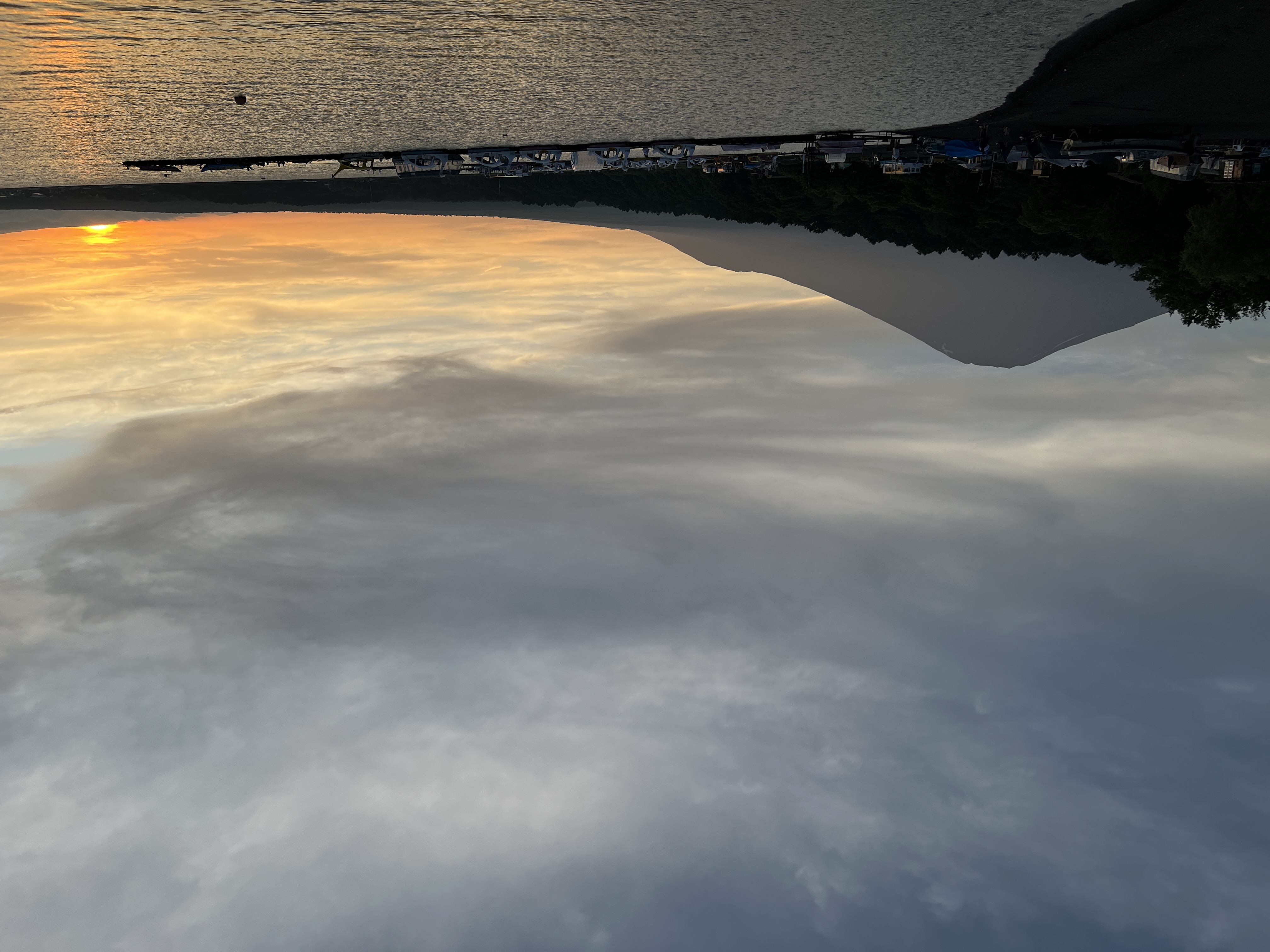
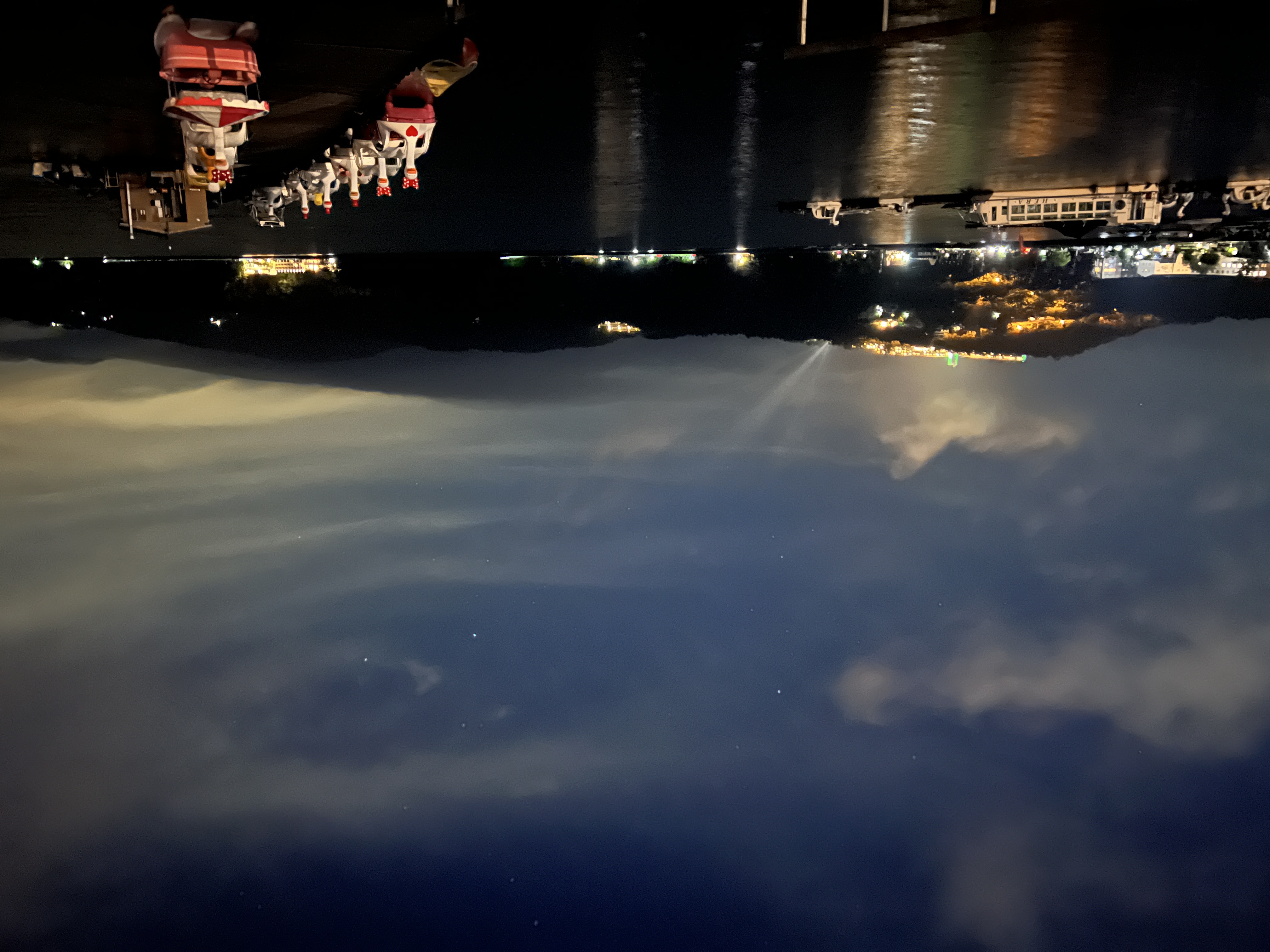
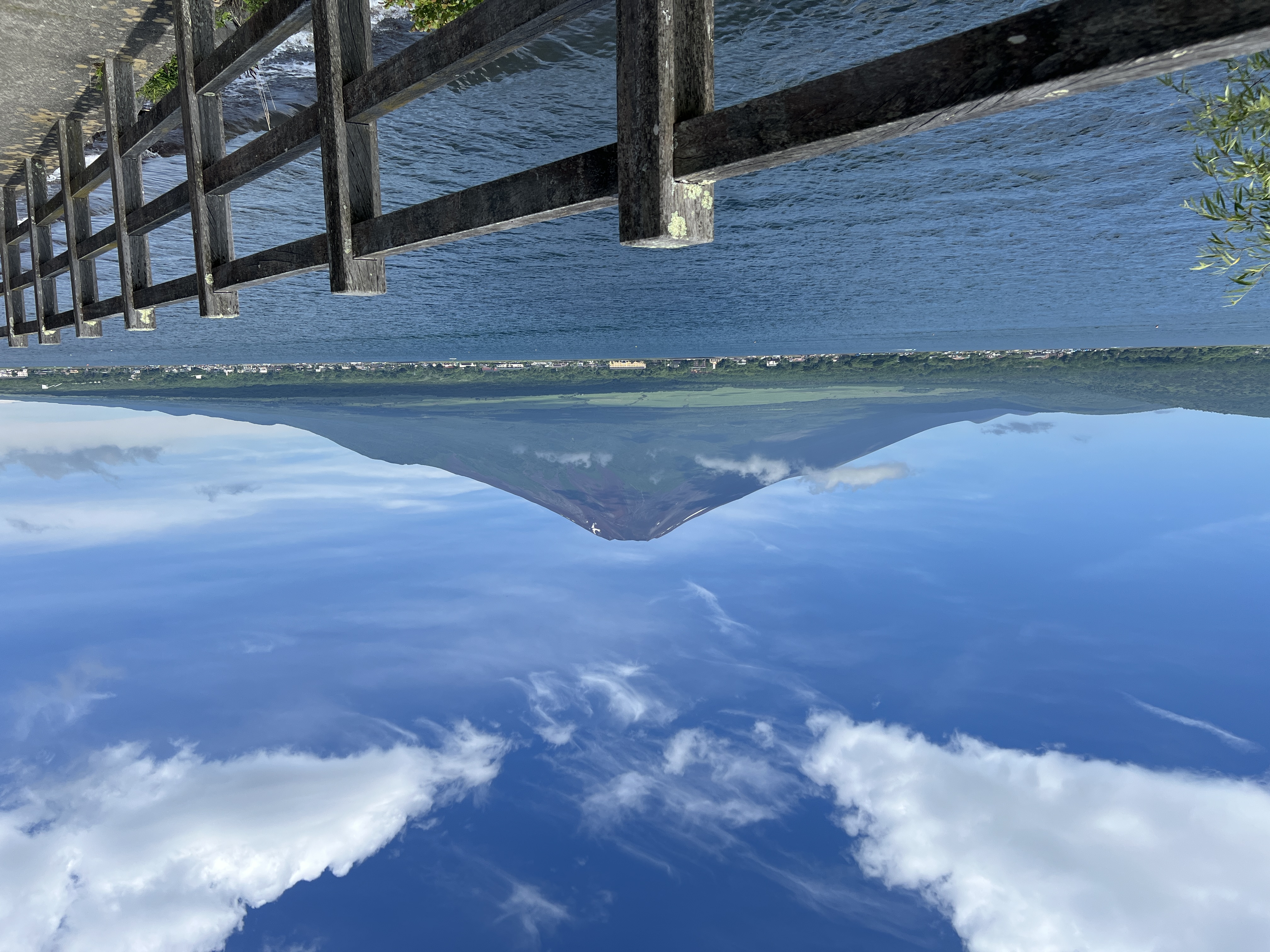
The Fuji Five Lakes are five lakes formed by eruptions of Mount Fuji, located on the Yamanashi Prefecture side near Mount Fuji. They include Lake Kawaguchi, Lake Yamanaka, Lake Sai, Lake Shoji, and Lake Motosu. There are many resorts and restaurants near Lake Yamanaka, which can serve as a base for exploring the Mount Fuji area. (Another possible itinerary is to stay in Tokyo and take a bus to the Mount Fuji area during the day.)
The Fuji Five Lakes are also excellent and just right places to appreciate Mount Fuji, making them a perfect “appetizer” for a Mount Fuji trip. There are well-maintained roads around the Fuji Five Lakes, making self-driving an excellent choice for visitors with an international driving permit (IDP). (You can also drive to the 5th Station of Mount Fuji.)(Sorry, ptr!)
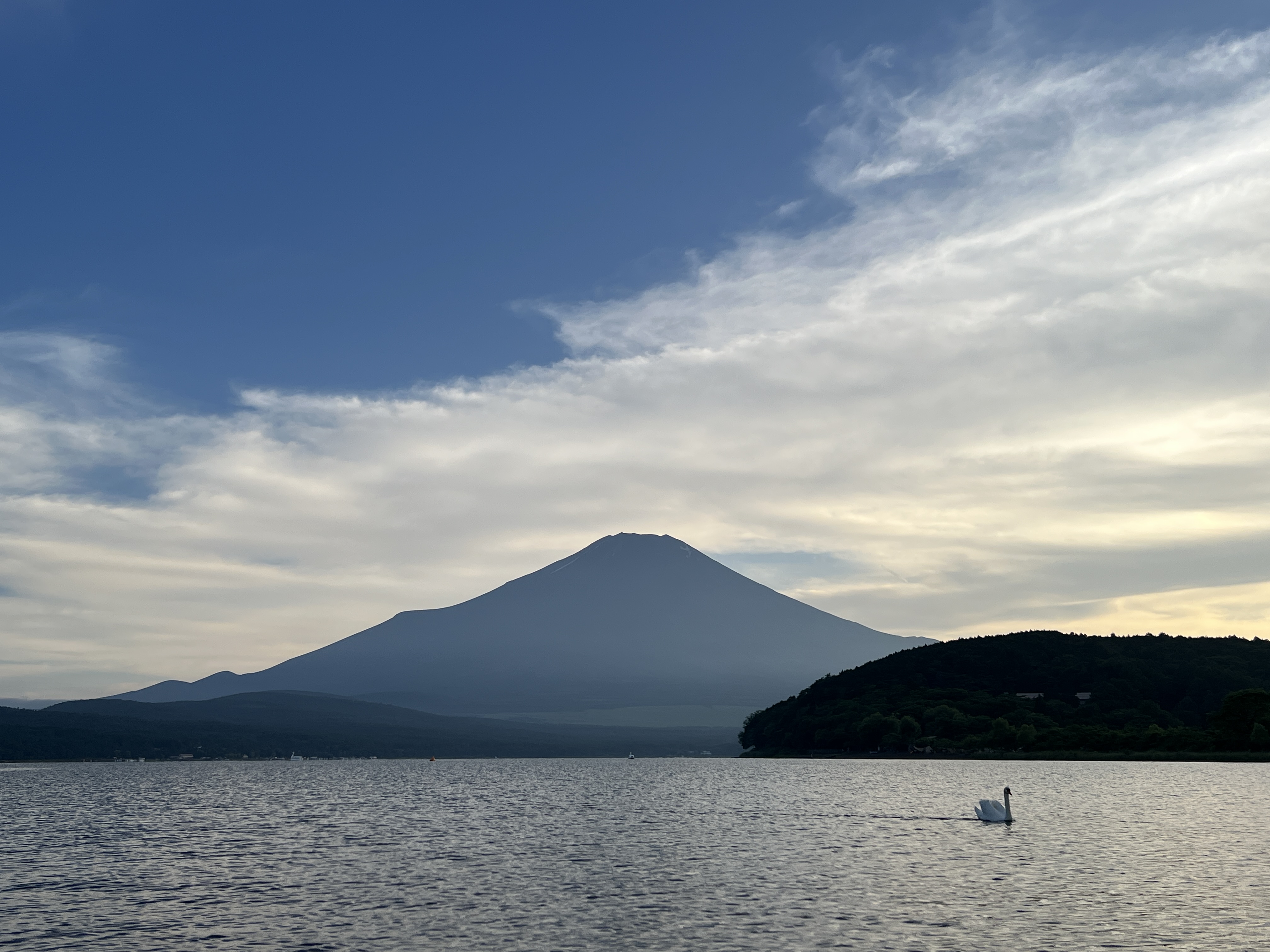
Map Location (Example: Lake Yamanaka):
Note: An international driving permit (IDP) is only issued by countries within the framework of the Geneva Convention. China is not within the framework of the Geneva Convention, and its driver’s license is not recognized in Japan. Therefore, tourists holding only a Chinese driver’s license cannot rent a car in Japan.
Did you know?
•Mount Fuji is actually an active volcano, with its last eruption occurring in 1707. To address potential risks, the Japanese government has developed comprehensive disaster prevention and mitigation plans. These include the installation of volcanic and seismic monitoring stations at numerous locations around the mountain, as well as the formulation of rapid evacuation protocols for residents in the surrounding areas.
•Mount Fuji is privately owned, with its owner being the Fujisan Hongu Sengen Taisha Shrine.
•The origins of the name "Mount Fuji" remain a subject of much debate. Some suggest it stems from the concepts of "abundance" and "men of status" (matching the meanings of the Chinese characters "Fu" and "Shi"). Others argue that the name is simply a phonetic use of the characters "Fu-ji," unrelated to their literal meanings. Additional theories suggest the name evolved from the word for "immortality" (fushi) or carries the connotation of "never-ending."
Kyoto
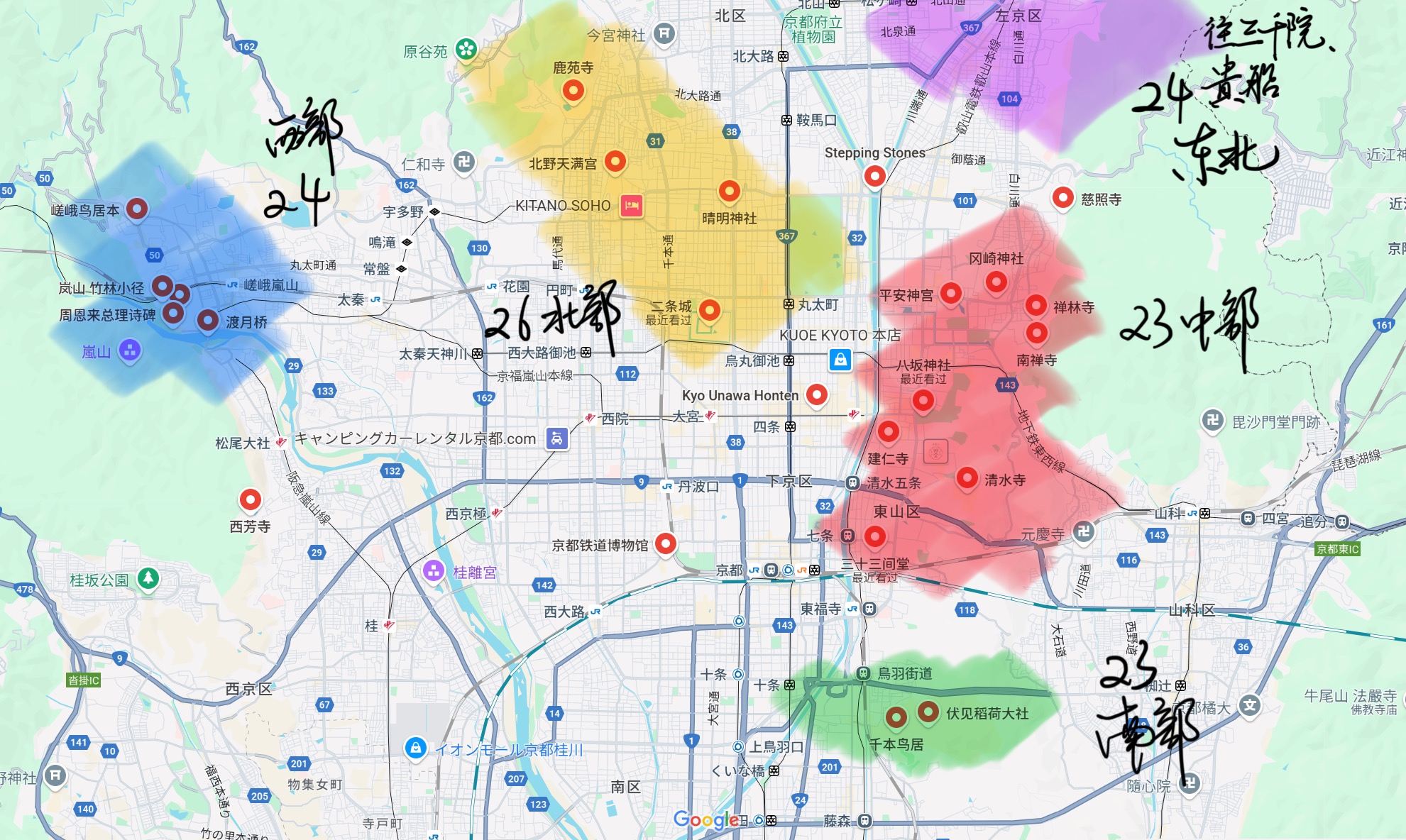
Central Area
Kiyomizu-dera
Kiyomizu-dera, located in the Higashiyama District of Kyoto, was founded in 778 AD and stands as the city’s oldest temple. Its honorary mountain name is Mount Otowa, and it primarily enshrines the Eleven-Headed Thousand-Armed Kannon. As one of Kyoto’s most celebrated landmarks, its Hondo (Main Hall) is an absolute must-visit destination for every traveler venturing to the temple.
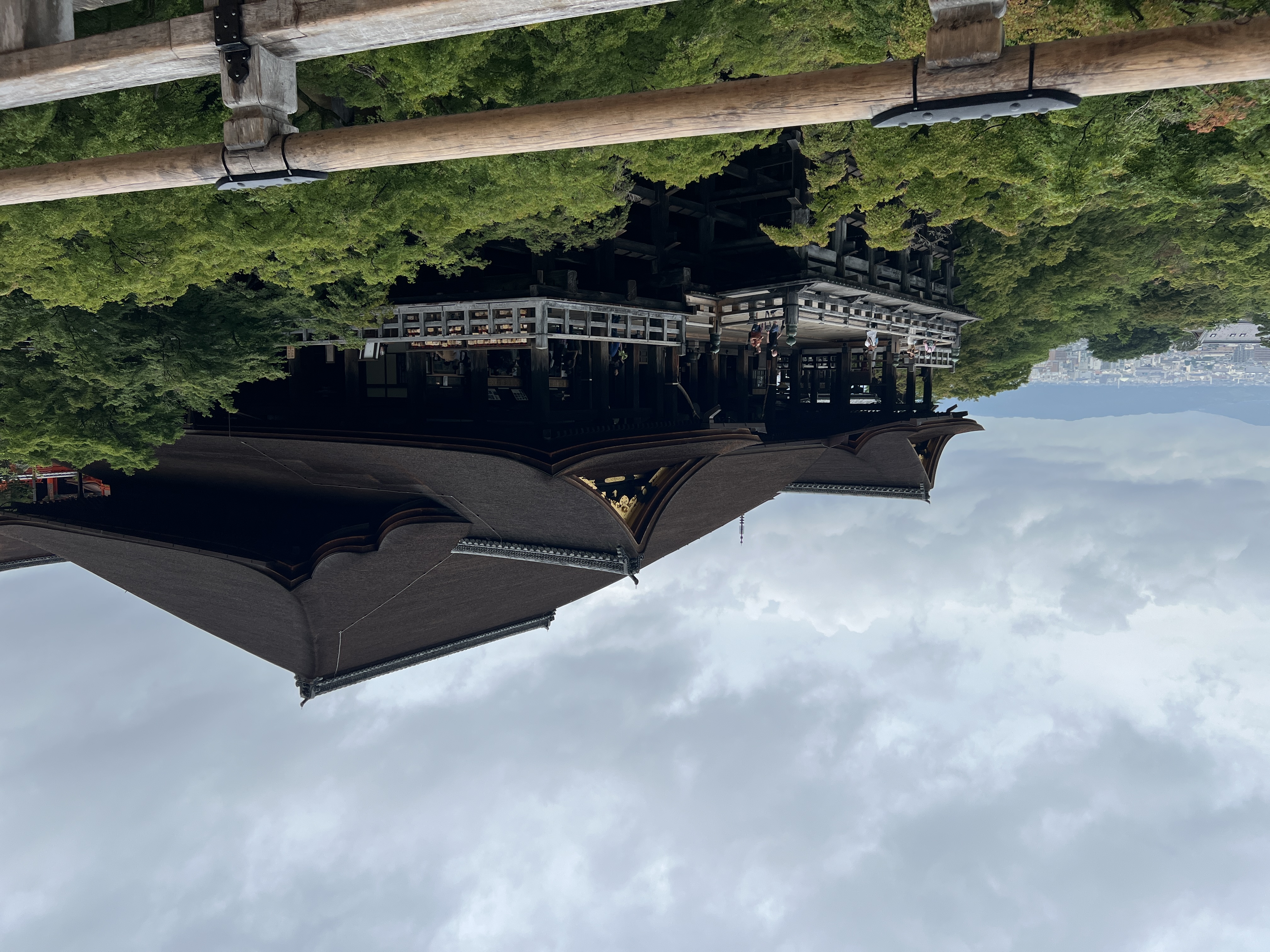
From the small path beside the Main Hall of Kiyomizu-dera, there is spring water from the mountain behind the temple available for drinking. Please observe the etiquette when using the spring water within the temple!
Additionally, the Main Hall of Kiyomizu-dera and the nearby woods are beautifully illuminated at night, offering a completely different scenery from the daytime, making it well worth a visit!
Opening Hours:6:00 a.m.-6:00 p.m. (Hours may vary on holidays; please refer to the official website for the most accurate schedule.)
Admission Fee:¥500.
Guides:Site Map, Opening Hours and Access Information.
Estimated Visit Duration:1 hour.
Address:1 Chome-294 Kiyomizu, Higashiyama Ward, Kyoto, 605-0862 Japan;
Phone:+81 75-551-1234;
Website:Kiyomizu-dera.
Map Location:
Sanjūsangendō
Sanjūsangendō is located in Higashiyama Ward, Kyoto, and was built in 1164. It is an external Buddhist hall of the Tendai sect’s Myōhō-in. “Ken” is a Japanese unit of length, approximately 1.8 meters. Before the Edo period, Sanjūsangendō was about 59.4 meters long, hence the name. The main hall of Sanjūsangendō houses a large number of well-preserved wooden sculptures of the Thousand-Armed Kannon, a rare treasure.
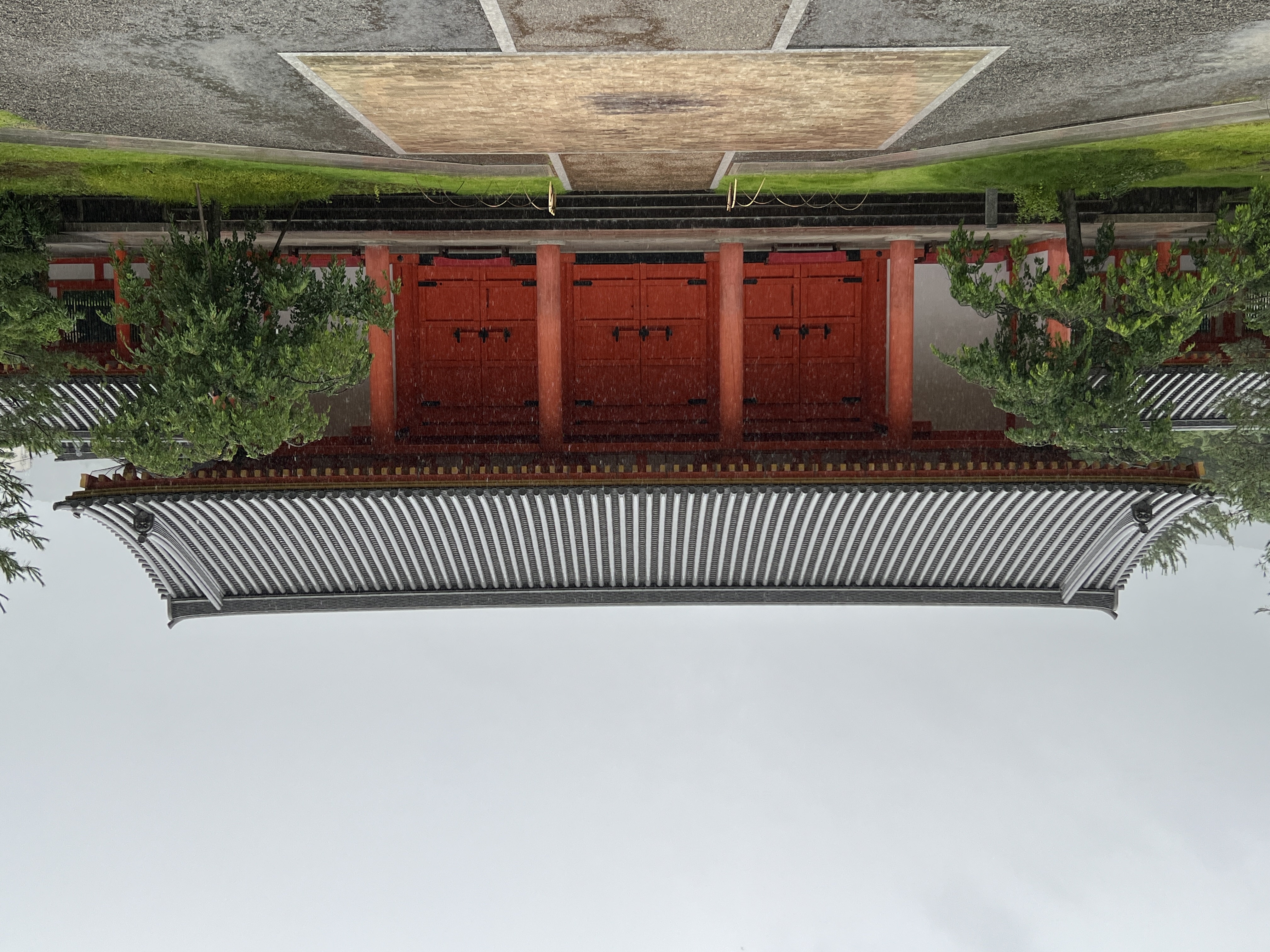
Opening Hours:8:30 a.m.-5:00 p.m.
Admission Fee:¥600。
Guided Tour:Sanjūsangendō Courtyard Map and Attractions Introduction。
Estimated Visit Duration:1 hour.
Address:657 Sanjusangendo Mawaricho, Higashiyama Ward, Kyoto, 605-0941 Japan;
Phone:+81 75-561-0467;
Website:Sanjūsangendō.
Map Location:
Nanzen-ji
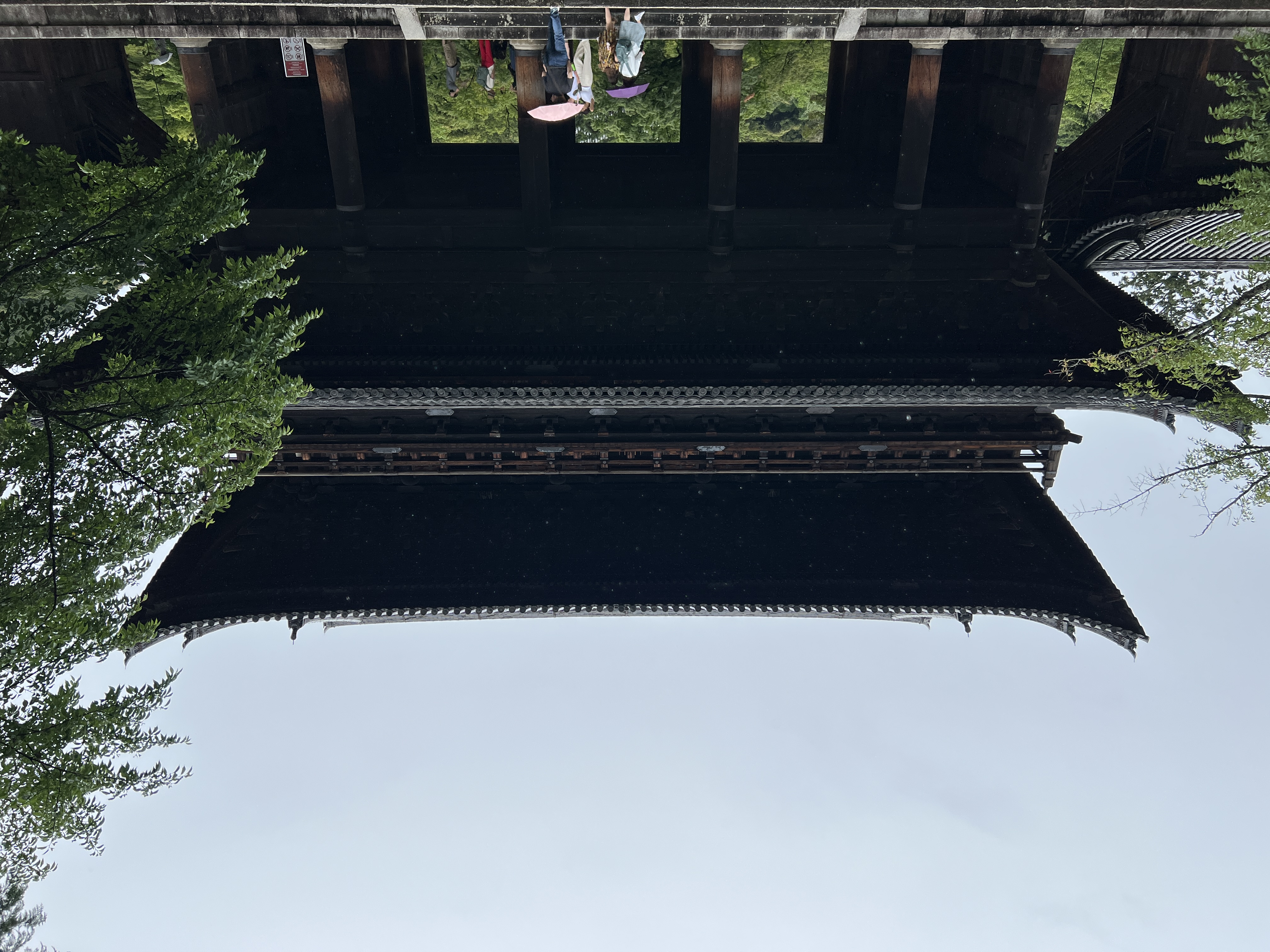
Nanzen-ji is located in Higashiyama Ward, Kyoto, and was built in 1291. It is dedicated to Shakyamuni Buddha, with the mountain name Zuiryūzan. The Sanmon gate is the main gate of Nanzen-ji, grand and rich in the atmosphere of ancient Japanese and Chinese architecture, and its fixed structure on the beams is also worth observing.
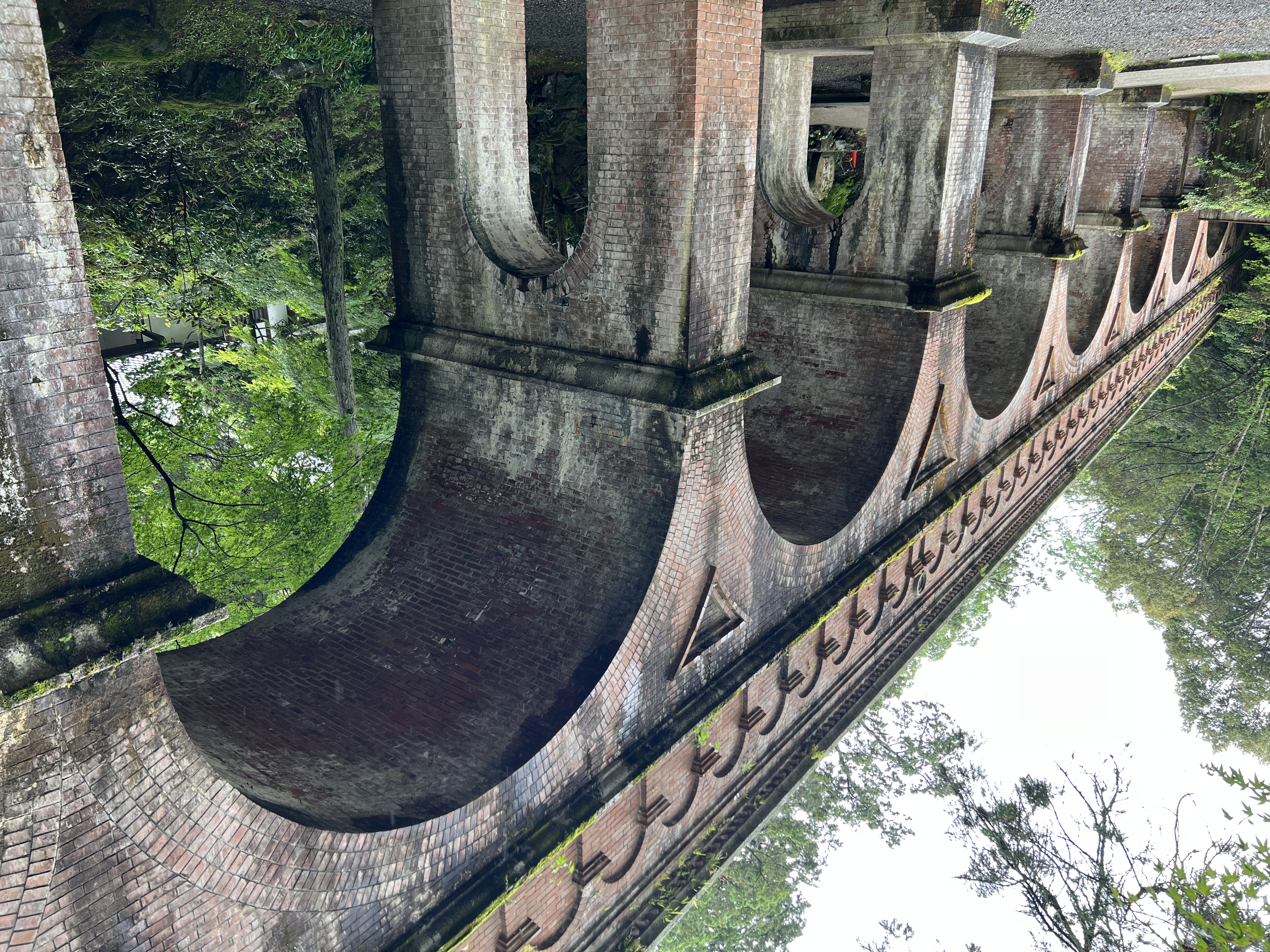
The remains of the Lake Biwa Canal aqueduct within Nanzen-ji Temple are also quite interesting. It was originally designed by Tanabe Sakurō to supply water to many Japanese gardens in the surrounding area and was completed in 1888.
Opening Hours:8:40 a.m.-5:00 p.m.
Admission:Free.
Guided Tours:History of Nanzen-ji, List of Classics and Map within the Temple.
Estimated Visit Duration:1 hour.
Address:86 Nanzenji Fukuchicho, Sakyo Ward, Kyoto, 606-8435 Japan;
Phone:+81 75-771-0365;
Website:Nanzen-ji.
Map Location:
Zenrin-ji (Eikando)
Zenrin-ji, also known as Eikando or Muryōju-in, is located in Sakyo Ward, Kyoto, not far from Nanzen-ji. The exact construction date of Zenrin-ji is unknown, but the earliest historical records date back to 853. Zenrin-ji is dedicated to Amida Nyorai, with the mountain name Shōjūragaikazan.
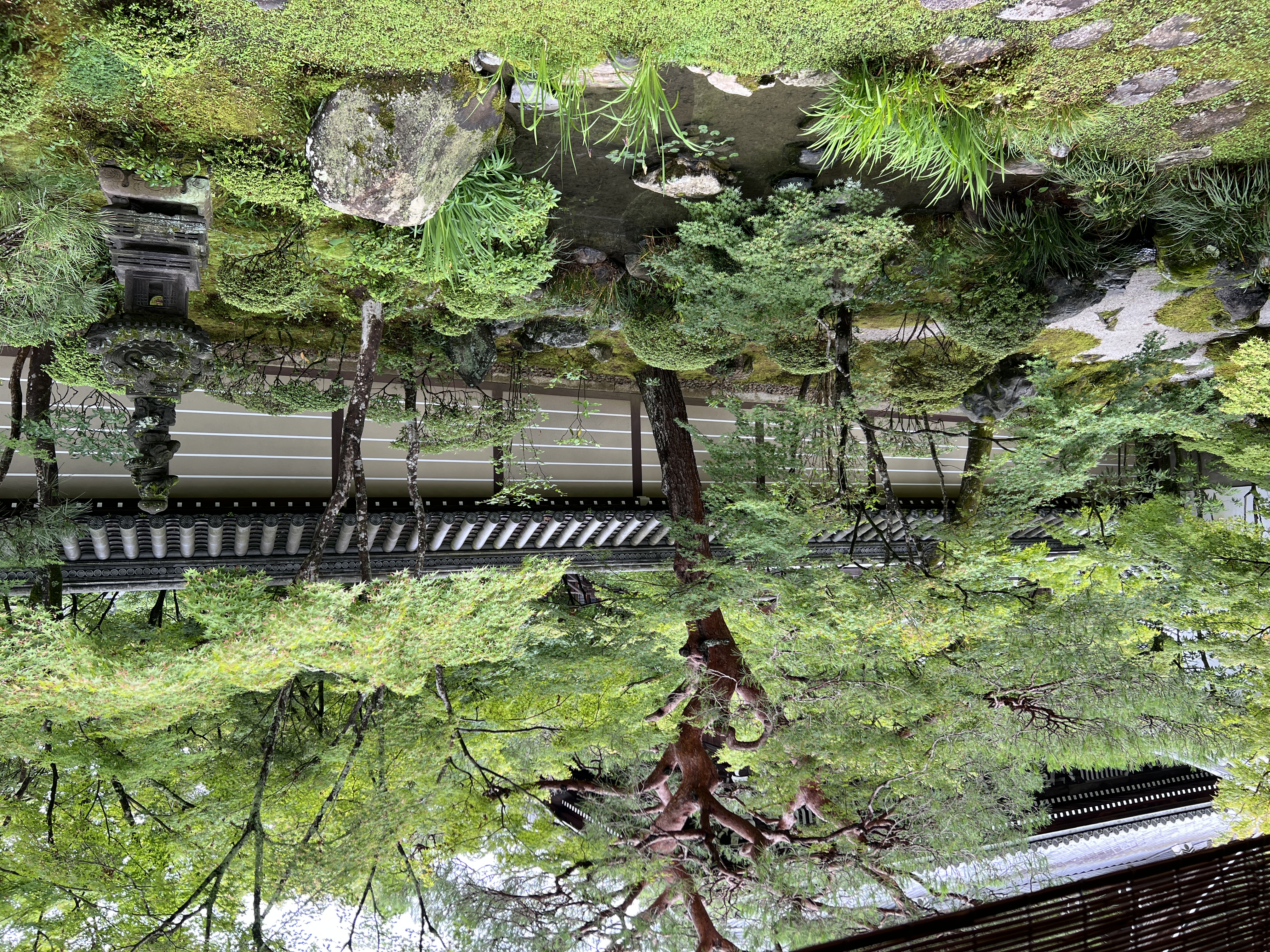
The most beautiful season to visit Zenrin-ji is autumn when the maple leaves create a breathtaking scene. Inside Zenrin-ji, there are accessible Japanese-style buildings where visitors can closely appreciate the Japanese gardens. The buildings also lead to the main hall of Nanzen-ji, where one can admire the serene and solemn place of monk practice and exquisite Buddhist statues.
Opening Hours:9:00 a.m.-4:00 p.m
Admission:¥600。
Guided Tours:History of Nanzen-ji, Map of Nanzen-ji, Visiting Guide。
Estimated Visit Duration:1 hour.
Address:48 Eikandocho, Sakyo Ward, Kyoto, 606-8445 Japan;
Phone:+81 75-761-0007;
Website:Zenrin-ji.
Map Location:
Heian Shrine (not visited)
Heian Shrine is located in Sakyo Ward, Kyoto. “Heian” refers to Heian-kyo, the old name of Kyoto. It was built in 1895 to celebrate the 1100th anniversary of the establishment of Heian-kyo and is a five-eighths scale replica of the main hall of the Heian Palace.
Opening Hours:6:00 a.m.-5:00 p.m.
Admission:Free.
Estimated Visit Duration:30 minutes.
Address:97 Okazaki Nishitennocho, Sakyo Ward, Kyoto, 606-8341 Japan;
Phone:+81 75-761-0221;
Website:Heian Shrine.
Map Location:
Yasaka Shrine (not visited)
Yasaka Shrine is located in Higashiyama Ward, Kyoto. It was founded in 656. The Gion Festival, one of Japan’s largest festivals, is held at the main shrine. Yasaka Shrine is also known for its beautiful lanterns at night.
Opening Hours: Open all day.
Admission: Free.
Estimated Visit Duration: 30 minutes.
Address:625 Gionmachi Kitagawa, Higashiyama Ward, Kyoto, 605-0073 Japan;
Phone:+81 75-561-6155;
Website:Yasaka Shrine.
Map Location:
Did you know?
•Yasaka Shrine is part of a nationwide "network," with over 3,000 locations scattered across Japan. The one situated in Kyoto serves as the Sōhonsha, or the grand headquarters, of them all.
•The Gion Festival originated as a prayer for peace during an epidemic and gradually developed into the grand festival it is today.
Northern Area
Kyoto Imperial Palace Park - Kyoto State Guest House
The state guest house of Kyoto is located inside the Kyoto Imperial Palace Park in Kamigyo Ward, Kyoto. The Kyoto State Guest House was built in 2005 to accommodate foreign heads of state and other important visitors. When not hosting important guests, it is open to the public for visits.
The interior decoration of the Kyoto State Guest House is a typical example of Japanese-style rooms. From large paintings, floors, and ceilings to small patterns, lighting angles, and furniture arrangements, the Kyoto State Guest House can be said to meticulously decorate every detail. The guest house has multiple rooms, each serving different purposes when visitors arrive, but all are named “XX Room.”
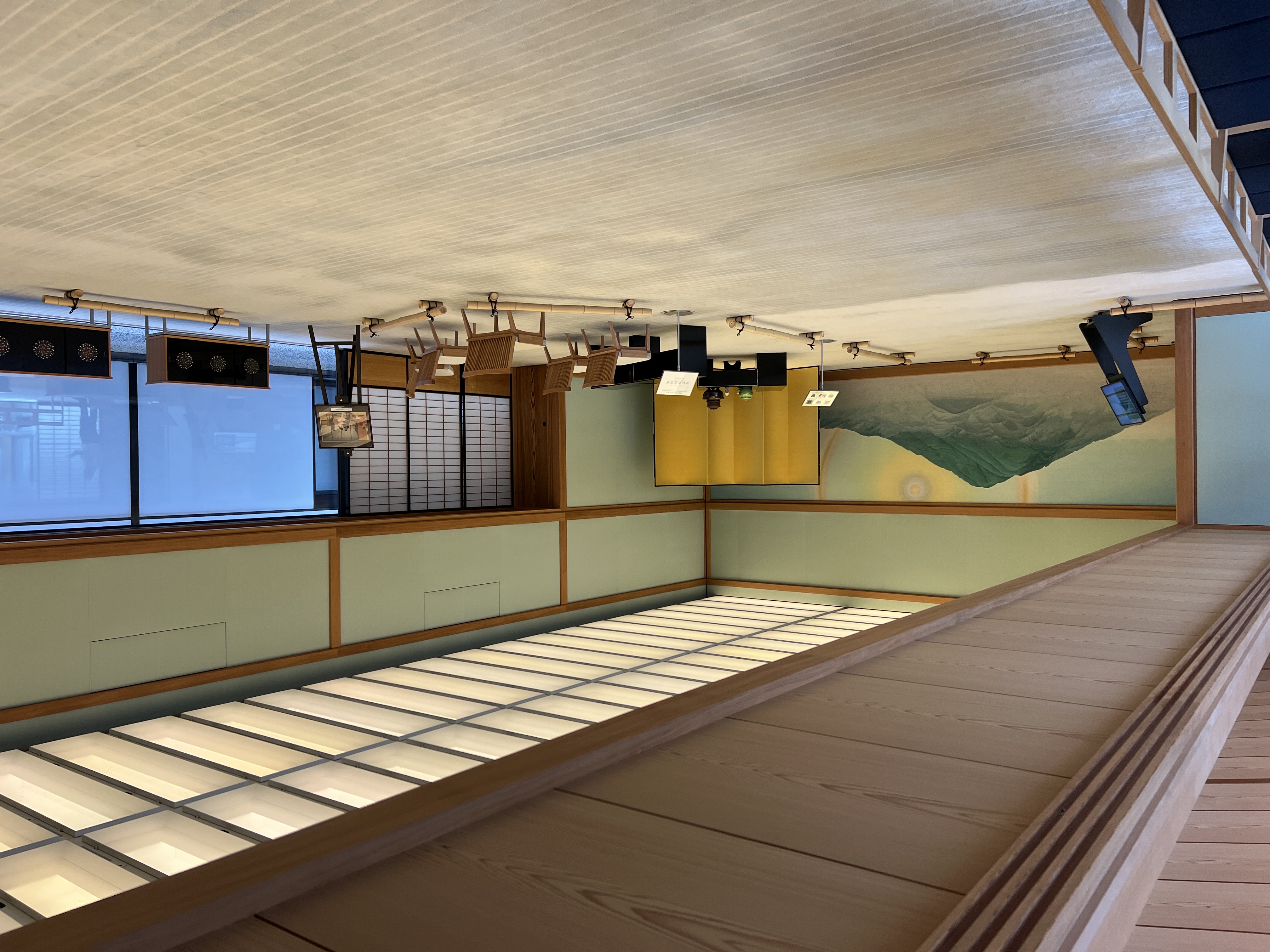
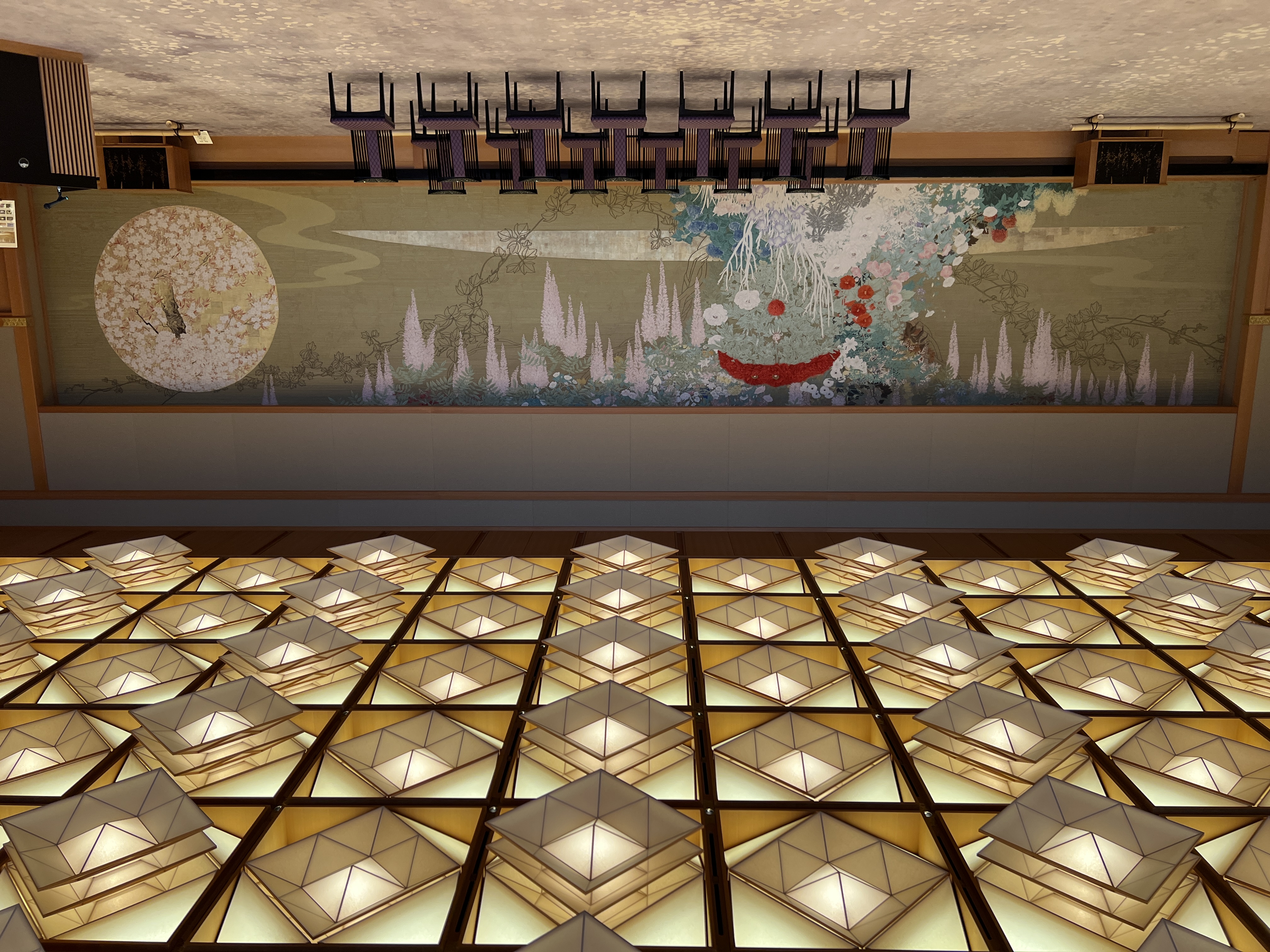
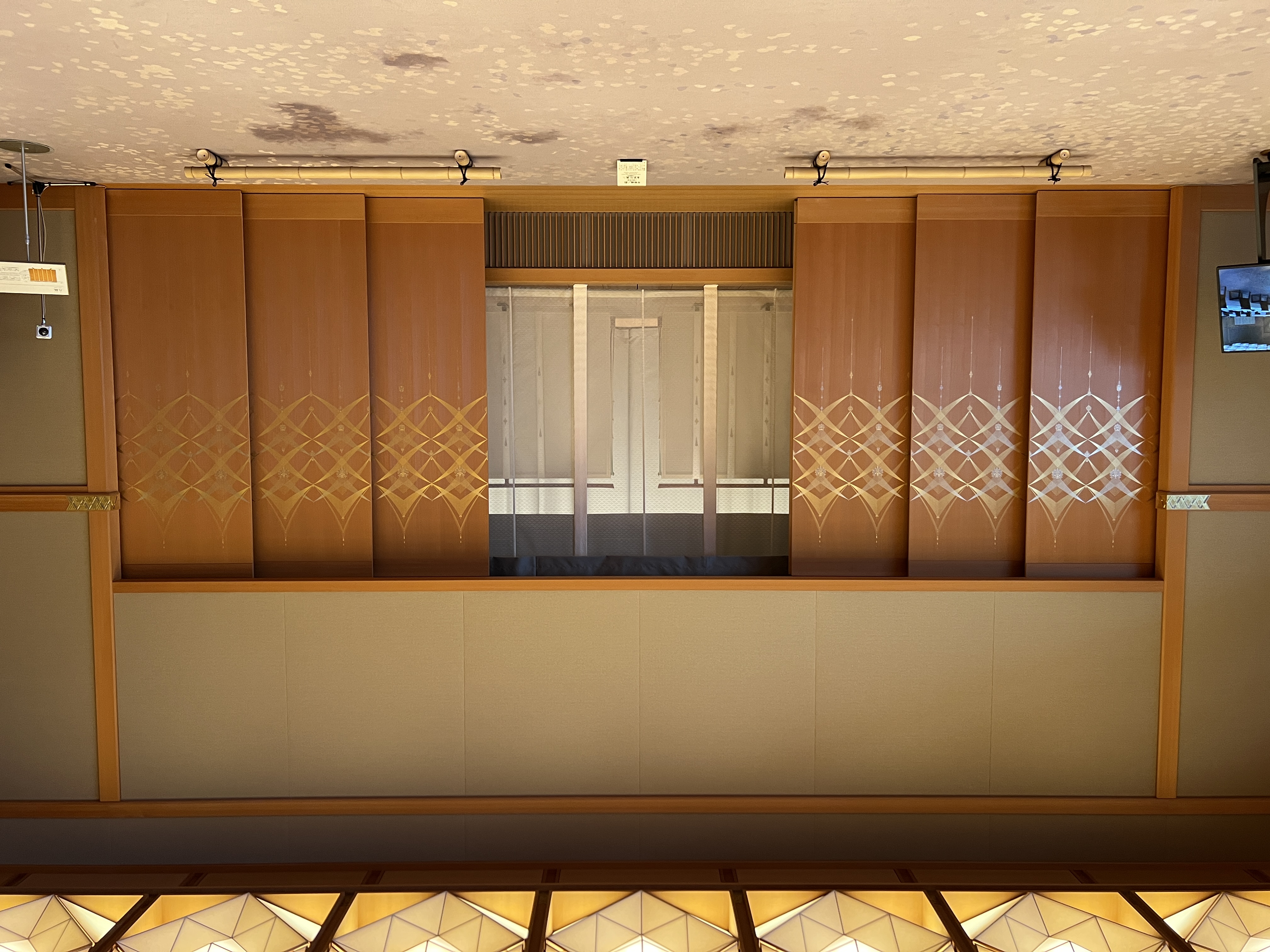
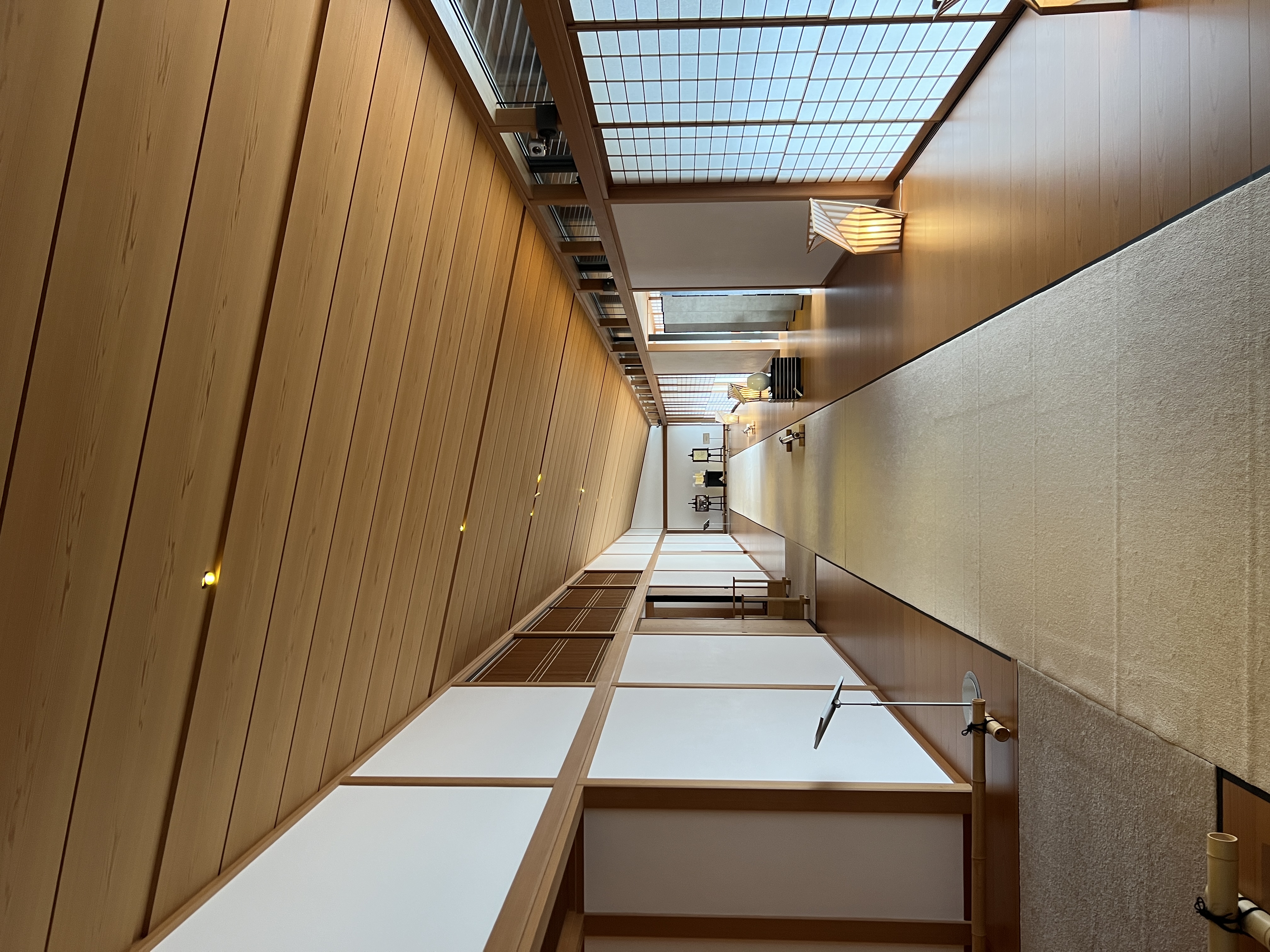
Beyond the exquisite interior decorations, the State Guest House also boasts an extensive and stunning collection of traditional Japanese garden landscapes.
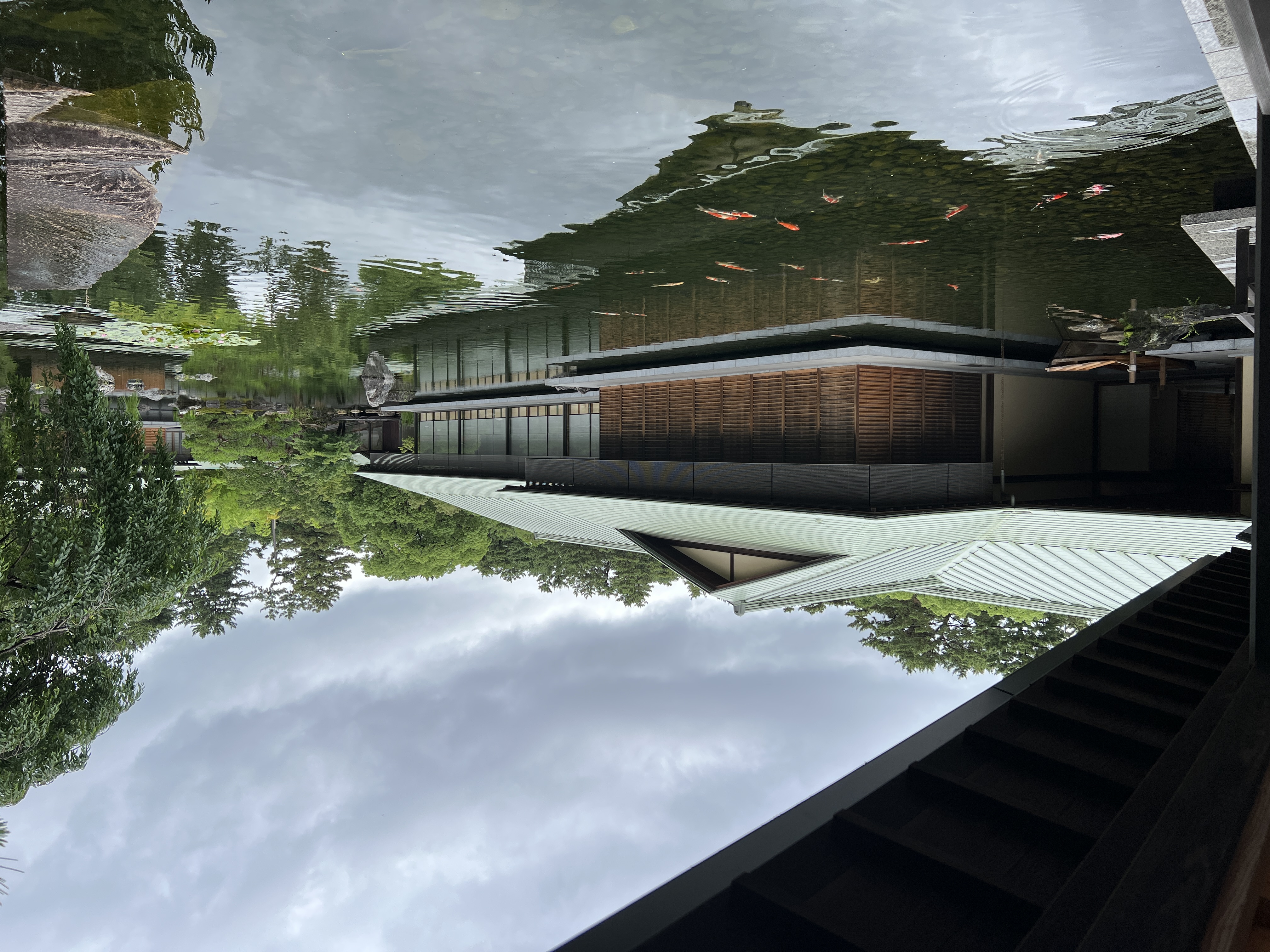
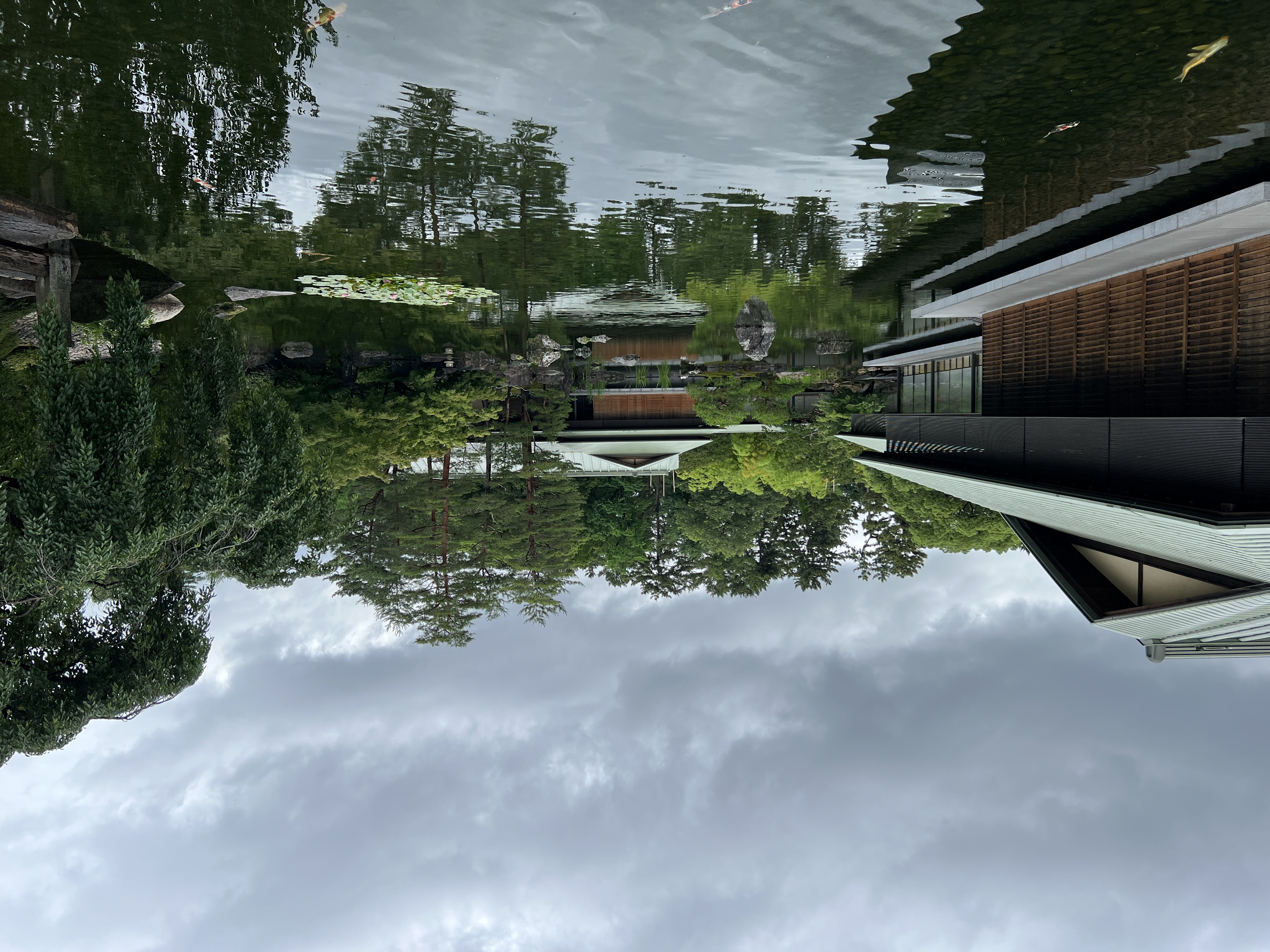
The Kyoto State Guest House has historically hosted numerous heads of state and high-ranking government dignitaries. For more detailed historical information, please refer to the official website of the Kyoto State Guest House.
Opening Hours:Advance reservation is required on the official website of the Kyoto State Guest House. English tours are available on Tuesdays and Thursdays, while other tours are conducted in Japanese.。
Admission: Free.
Estimated Visit Duration: 1.5 hours.
Address: 23 Kyotogyoen, Kamigyo Ward, Kyoto, 602-0881 Japan;
Phone: +81 75-223-2301;
Website: Kyoto State Guest House.
Map Location:
Nijo Castle
Nijo Castle was built in 1603 and is located in Nakagyo Ward, Kyoto. It served as the residence of Tokugawa Ieyasu, the first shogun of the Edo period, when he stayed in Kyoto and met the Emperor. In 1867, the famous “Taisei Hokan” ceremony was held at Nijo Castle, marking the end of Japan’s 682-year shogunate era. Broadly speaking, Nijo Castle refers to the residence of each shogun in Kyoto, and its location has changed multiple times throughout history.
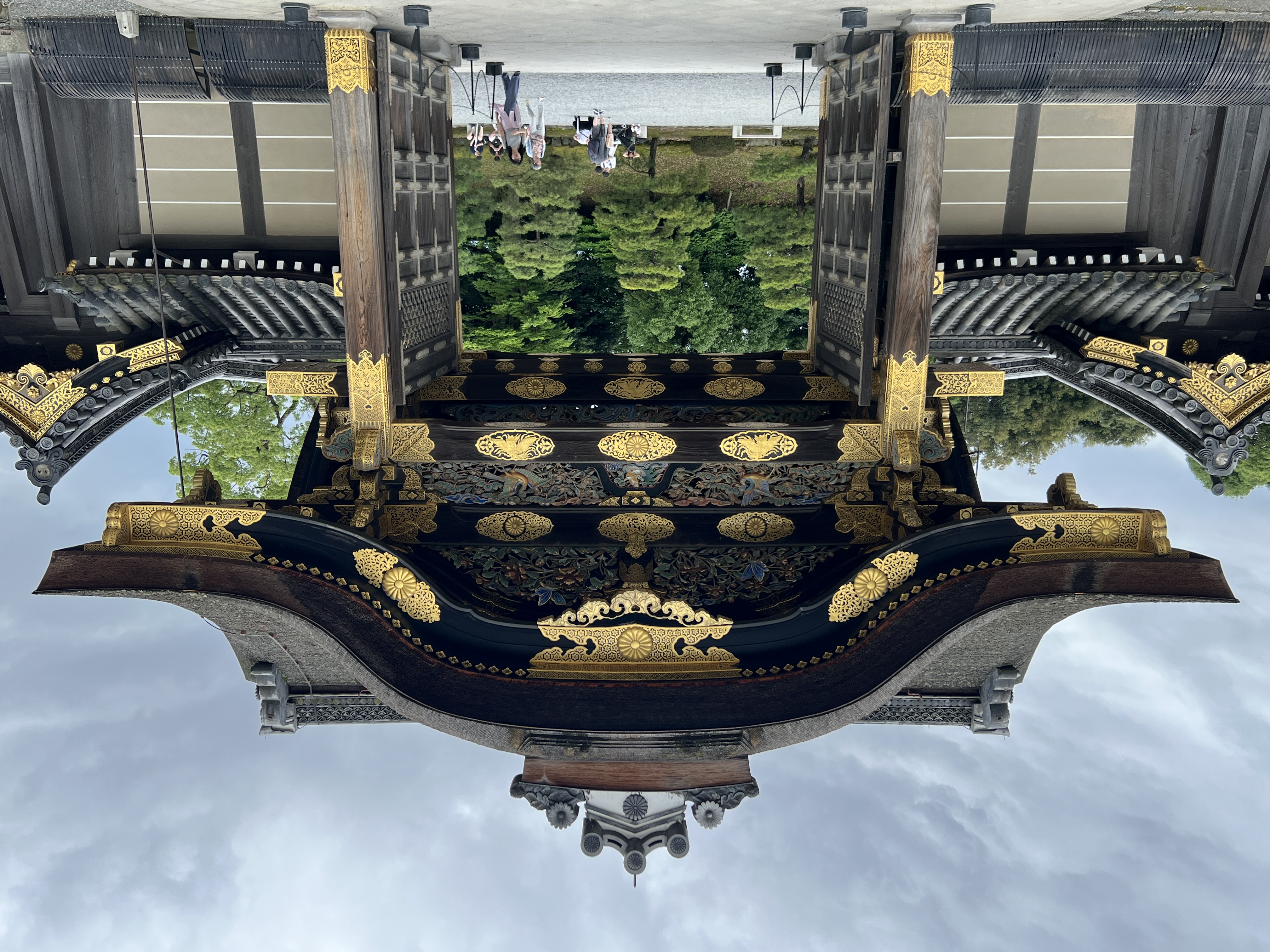
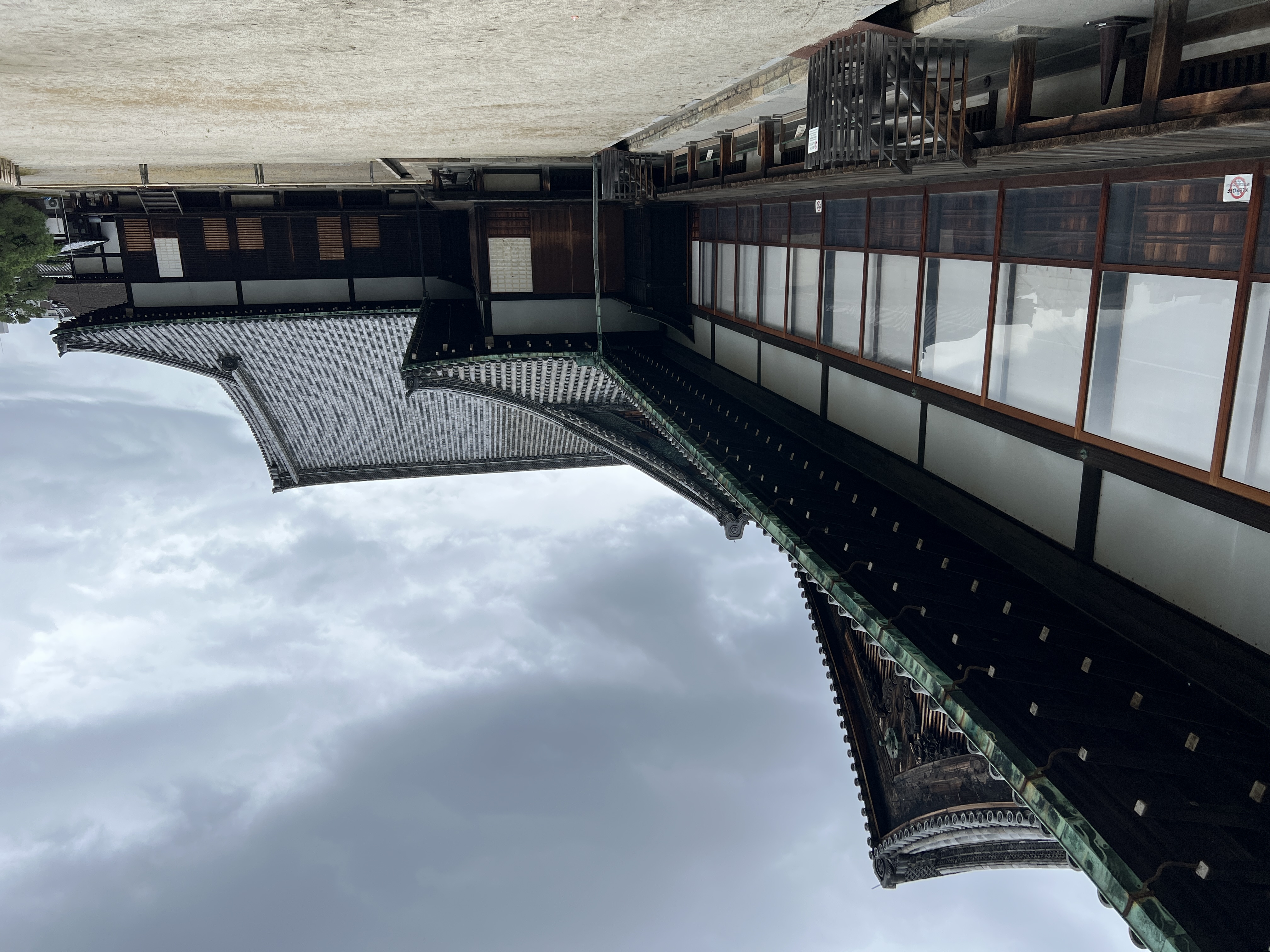
Opening Hours: 8:45 a.m. - 5:00 p.m. (Last admission at 4:00 p.m.)
Admission (Entry Ticket):
Adult ¥800;
High school and junior high school students ¥400;
Elementary school students ¥300。
(Entry Ticket and Ninomaru Palace Ticket):
Adult ¥1300;
High school and junior high school students ¥400;
Elementary school students ¥300。
Note: Free for children below elementary school age. It is recommended to make a reservation in advance to visit the Ninomaru Palace, as the number of tickets available on-site is limited.
Estimated Visit Duration: 1.5 hours.
Address: 541 Nijojocho, Nakagyo Ward, Kyoto, 604-8301 Japan;
Phone: +81 75-841-0096;
Website: Official Nijo Castle Website.
Map Location:
Seimei Shrine (not visited)
Seimei Shrine is located in Kamigyo Ward, Kyoto, and is dedicated to the onmyoji Abe no Seimei.
Opening Hours: 9:00 a.m. - 4:30 p.m.
Admission: Free.
Estimated Visit Duration: 30 minutes.
Address: 806 Seimeicho, Kamigyo Ward, Kyoto, 602-8222 Japan;
Phone: +81 75-441-6460;
Website: Official Seimei Shrine Website.
Map Location:
Kitano Tenmangu Shrine
Kitano Tenmangu Shrine is located in Kamigyo Ward, Kyoto. It is dedicated to Sugawara no Michizane, the god of learning, and is equivalent to a Confucian temple in Japan, suitable for seeking academic amulets. What wish will you make?
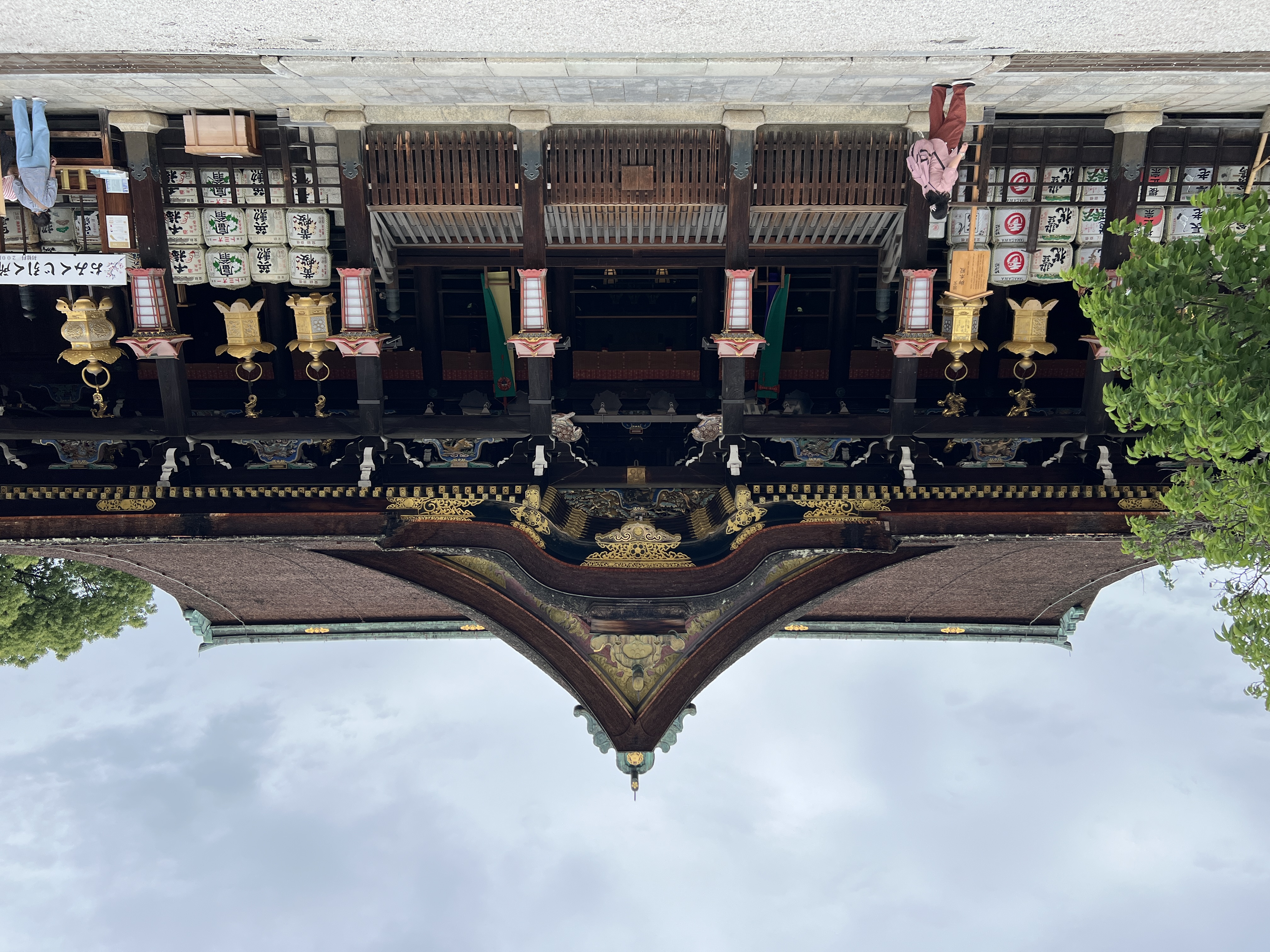
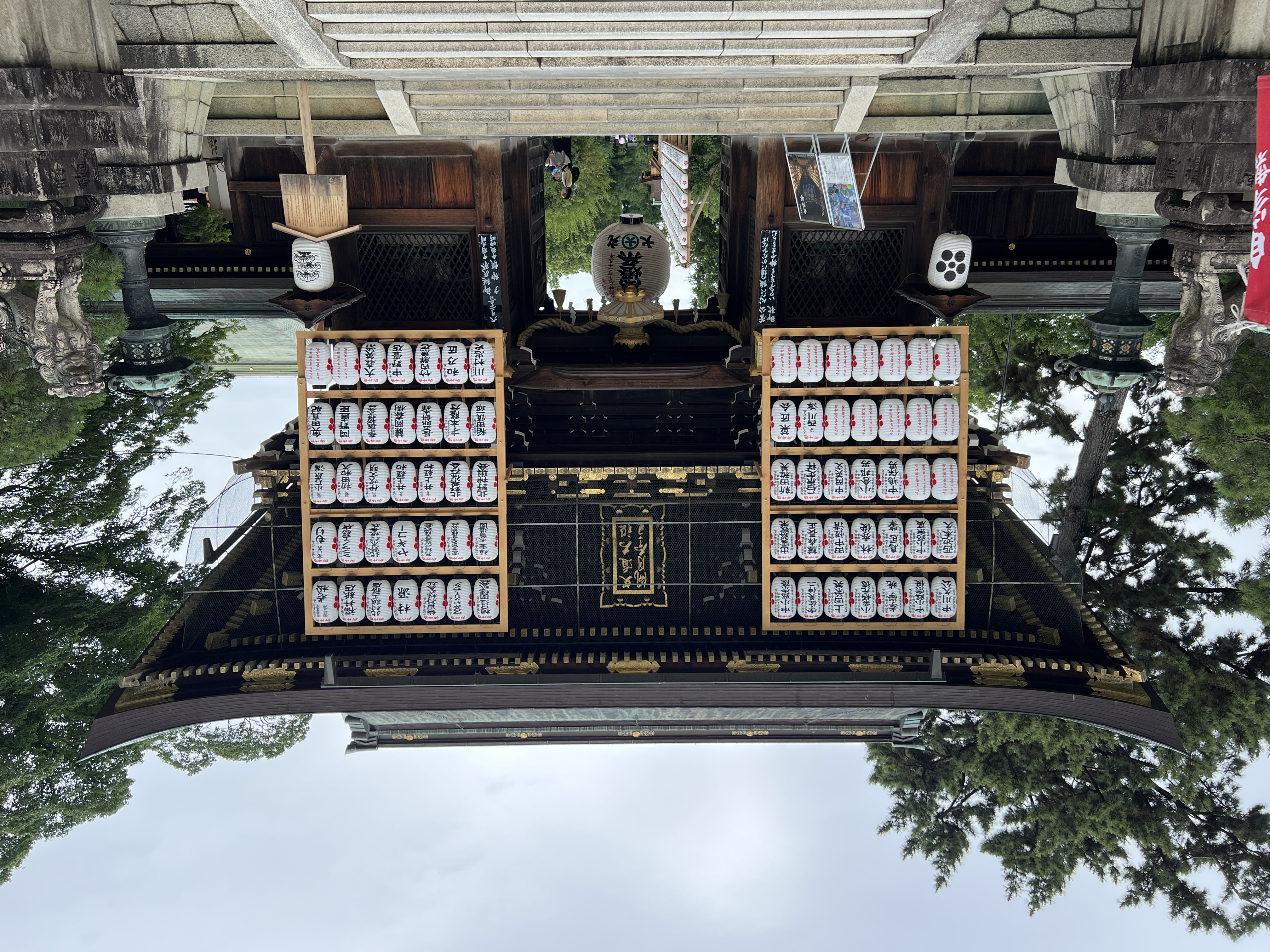
Opening Hours: 7:00 a.m. - 8:00 p.m.
Admission: Free.
Estimated Visit Duration: 30 minutes.
Address: Bakurocho, Kamigyo Ward, Kyoto, 602-8386 Japan;
Phone: +81 75-461-0005;
Website: Official Kitano Tenmangu Shrine Website.
Map Location:
Kinkaku-ji (Rokuon-ji)
Kinkaku-ji (also known as Rokuon-ji) is located in Kita Ward, Kyoto. It was originally the villa of Ashikaga Yoshimitsu, later converted into a Zen temple. The most prominent building of Kinkaku-ji is the Shariden, whose exterior was redecorated in the 1980s with gold paint and gold leaf, using about 1.6 tons of pure gold, currently valued at approximately $170 million. Such a highly valuable object appearing before your eyes is hard not to marvel at!
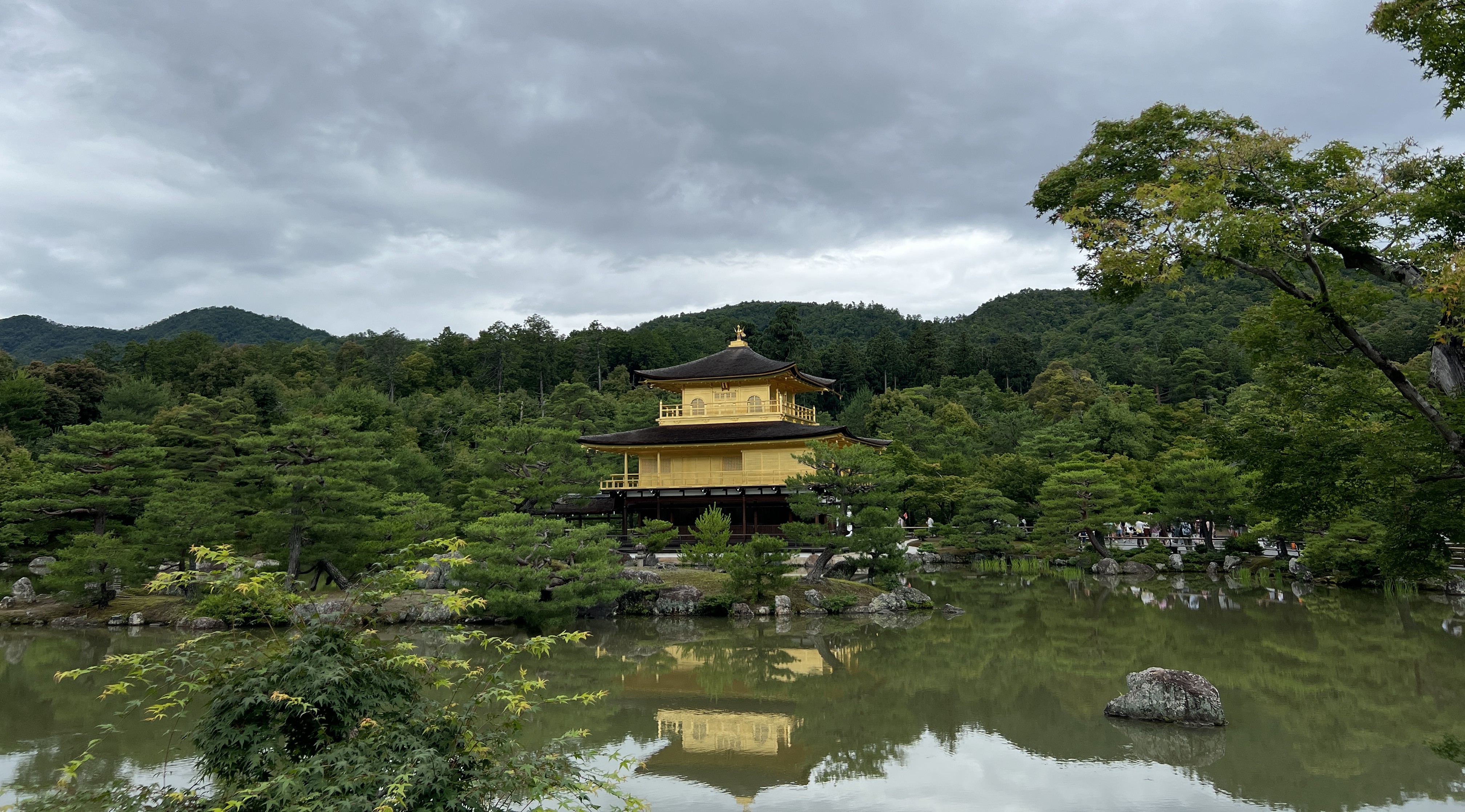
Opening Hours: 9:00 a.m. - 5:00 p.m.
Admission: ¥500 (Visitors with disabilities or mobility impairments can present relevant documents on the day of the visit or apply for admission fee reduction via email before the visit. For details, please refer to the official explanation.)
Estimated Visit Duration: 1 hour.
Address: 1 Kinkakujicho, Kita Ward, Kyoto, 603-8361 Japan;
Phone: +81 75-461-0013;
Website: Official Kinkaku-ji Website.
Map Location:
Did you know?
•Kinkaku-ji was the residence of the clever Ikkyu Sojun.
Ginkaku-ji (Jisho-ji)
Ginkaku-ji (officially named Jisho-ji) is located in Sakyo Ward, Kyoto. It was founded by Ashikaga Yoshimasa, the shogun of the Muromachi shogunate, and its mountain name is Higashiyama. The temple is named after the “Silver Pavilion” (Ginkaku) within its grounds, which contrasts with the “Golden Pavilion” (Kinkaku-ji or Rokuon-ji). Compared to the splendor of Kinkaku-ji, Ginkaku-ji is renowned for its simple and elegant architecture and gardens.
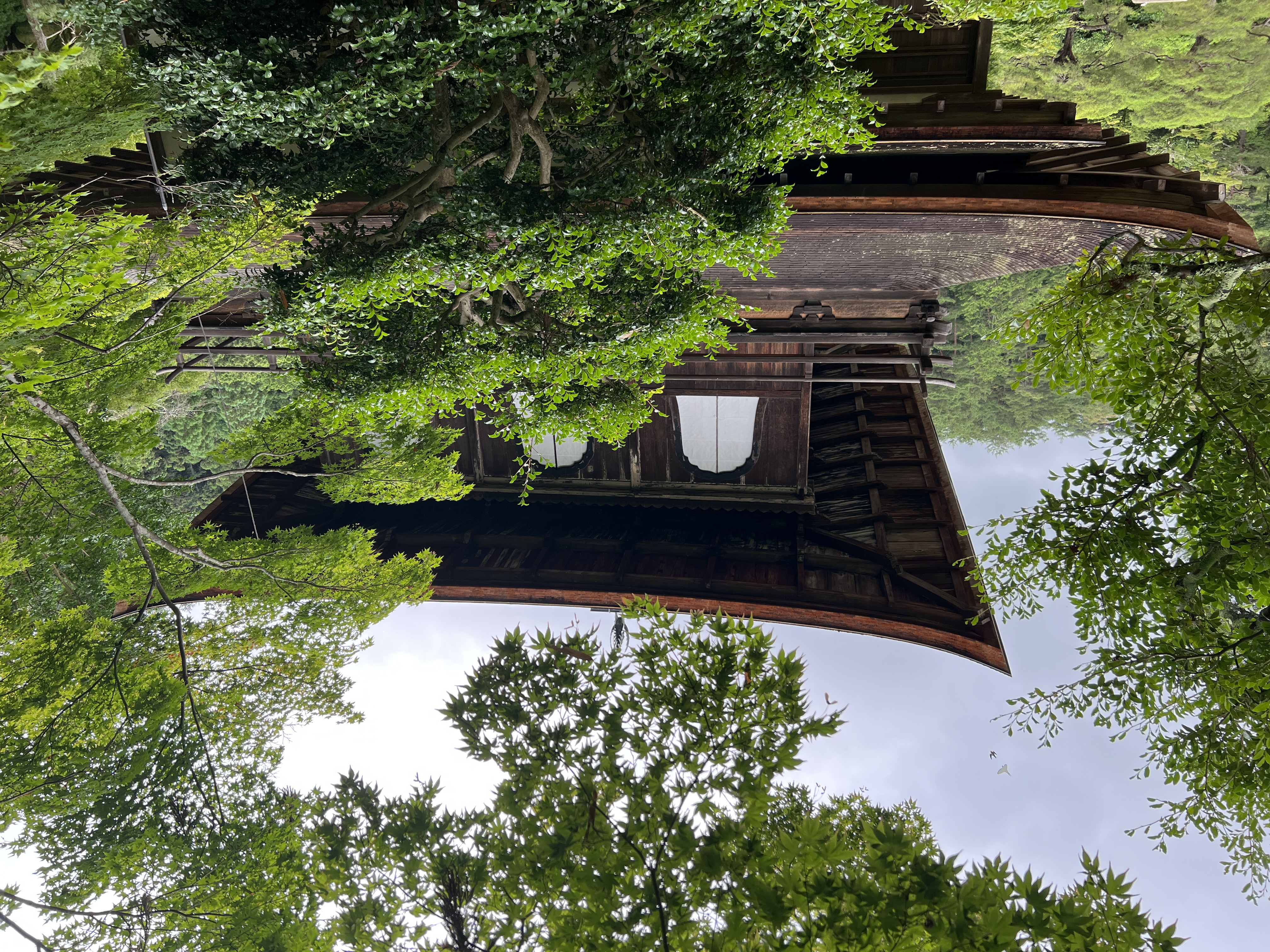
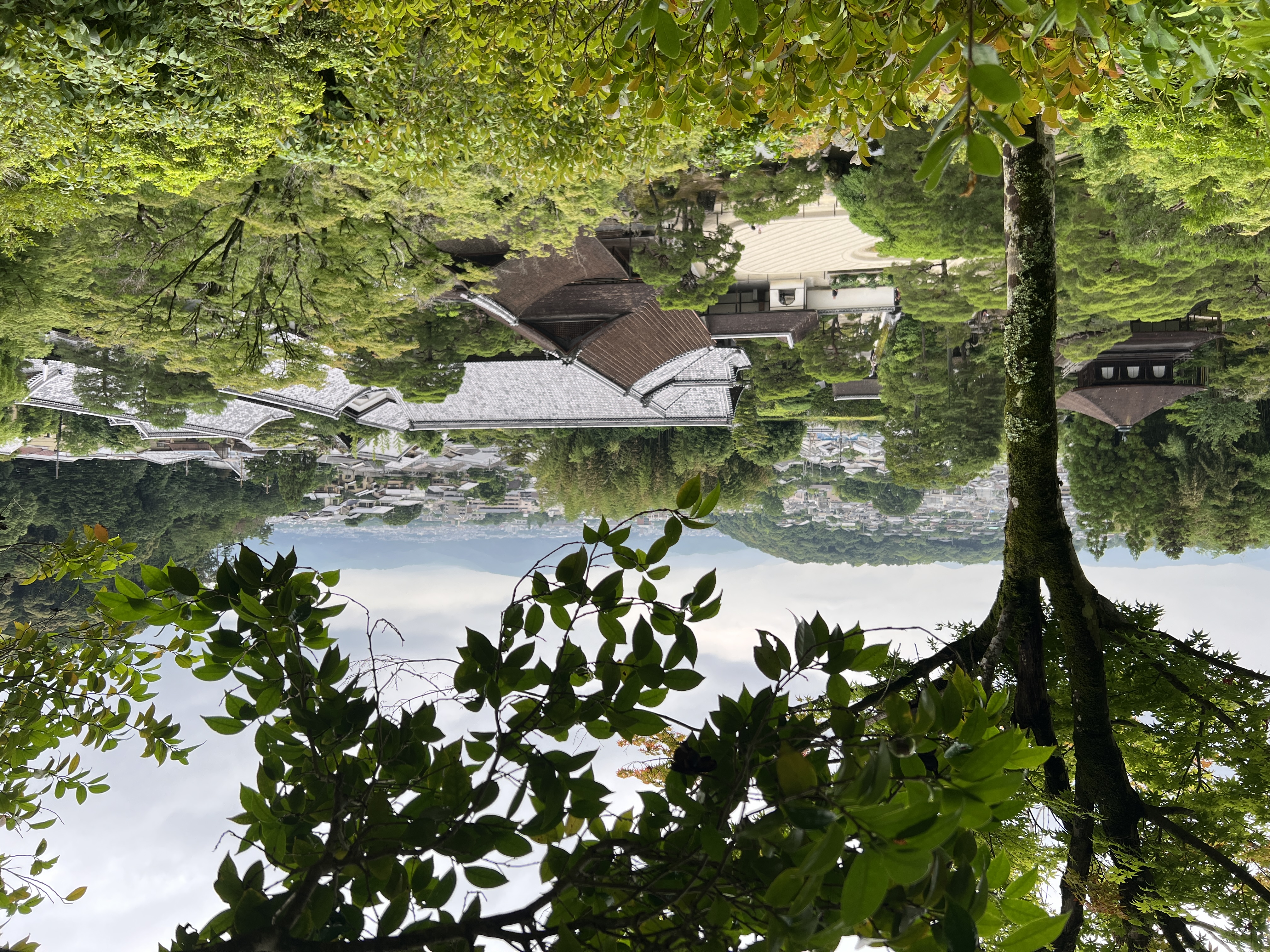
Opening Hours: 8:30 a.m. - 5:00 p.m. (The interior of the Kannon Hall is not open to the public.)
Admission: ¥500 (Elementary and middle school students and visitors with mobility impairments can present relevant documents or apply in advance by mail for a discount.)
Map Location:
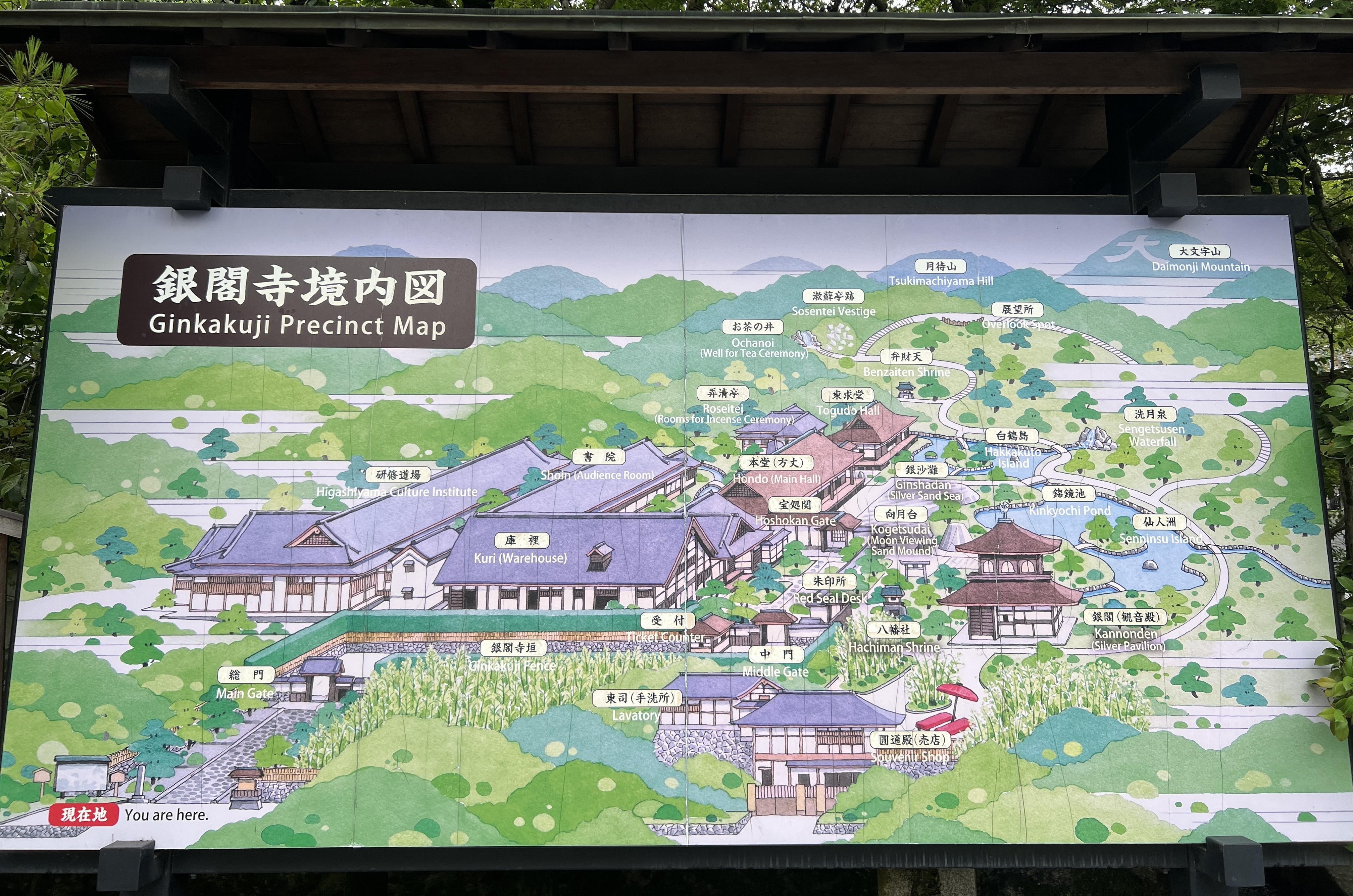
Estimated Visit Duration: 1 hour.
Address: Kyoto, Sakyo Ward, 606-8402 Japan;
Phone: +81 75-771-5725;
Website: Official Ginkaku-ji Website.
Map Location:
Northeast Area
Sanzen-in (not visited)
Sanzen-in is located in Sakyo Ward, Kyoto. It was founded in the 8th century and is dedicated to Yakushi Nyorai. Its mountain name is Uozan, and it features beautiful and elegant gardens.
Opening Hours: 9:00 a.m. - 5:00 p.m.
Admission:
Adults ¥700 (¥600 for groups of 30 or more);
Middle and elementary school students ¥400;
Elementary school students ¥150.
Estimated Visit Duration: 1 hour.
Address: 540 Ohararaikoincho, Sakyo Ward, Kyoto, 601-1242 Japan;
Phone: +81 75-744-2531;
Website: Official Sanzen-in Website.
Map Location:
Jakkoin (not visited)
Jakkoin is a temple located in Sakyo Ward, Kyoto, dedicated to Jizo Bosatsu. Its mountain name is Seikozan. It also features beautiful and elegant gardens and is conveniently located opposite Sanzen-in, making it easy to visit both.
Opening Hours: 9:00 a.m. - 5:00 p.m.
Admission:
Adults ¥600;
Middle school students ¥350;
Elementary school students ¥100.
For other exceptions, please refer to the official website.
Estimated Visit Duration: 1 hour.
Address: 676 Oharakusaocho, Sakyo Ward, Kyoto, 601-1248 Japan;
Phone: +81 75-744-3341;
Website: Official Jakkoin Website.
Map Location:
Kifune Shrine
Located in the northern part of Sakyo Ward, Kyoto, Kifune Shrine is surrounded by mountains, creating a serene environment. Walking along the mountain paths, you will occasionally see brightly colored lanterns, adding a touch of magic to the scenery. The Okumiya (main hall of Kifune Shrine) at the highest point is hidden among several towering trees. Standing in front of the shrine, one might feel spiritually awakened. The shrine also offers a unique experience called Mizu-uranai (water fortune-telling).
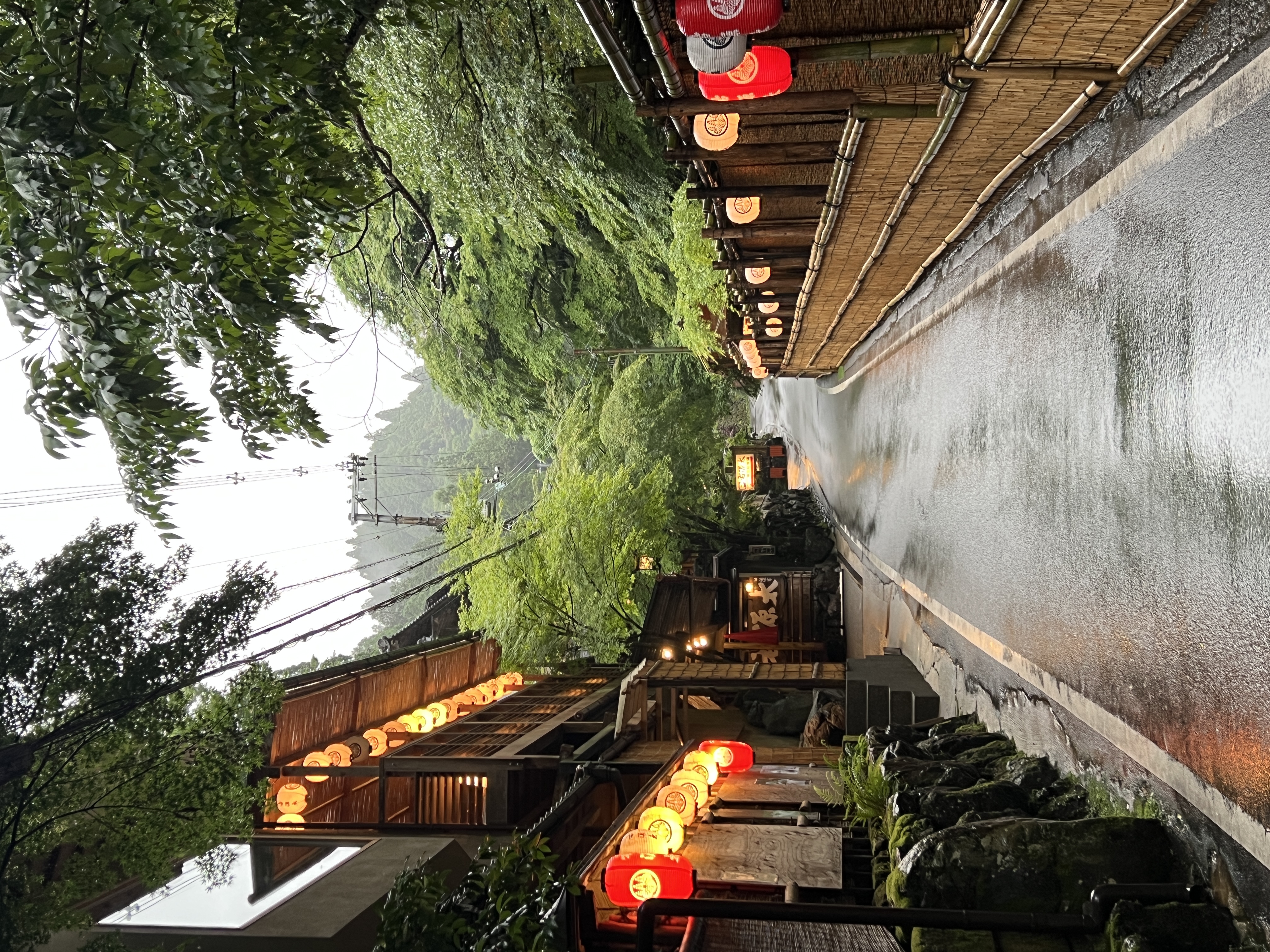
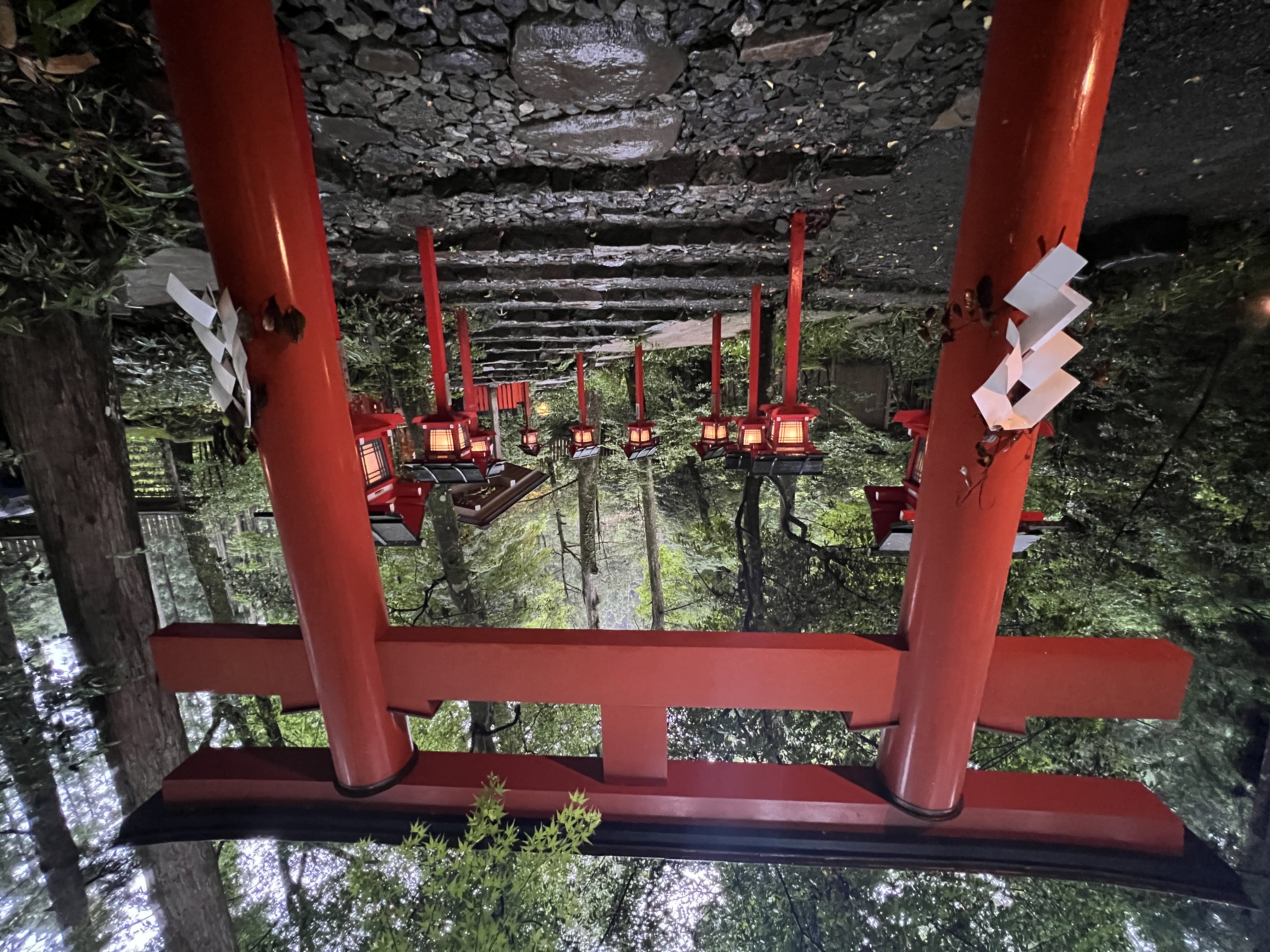
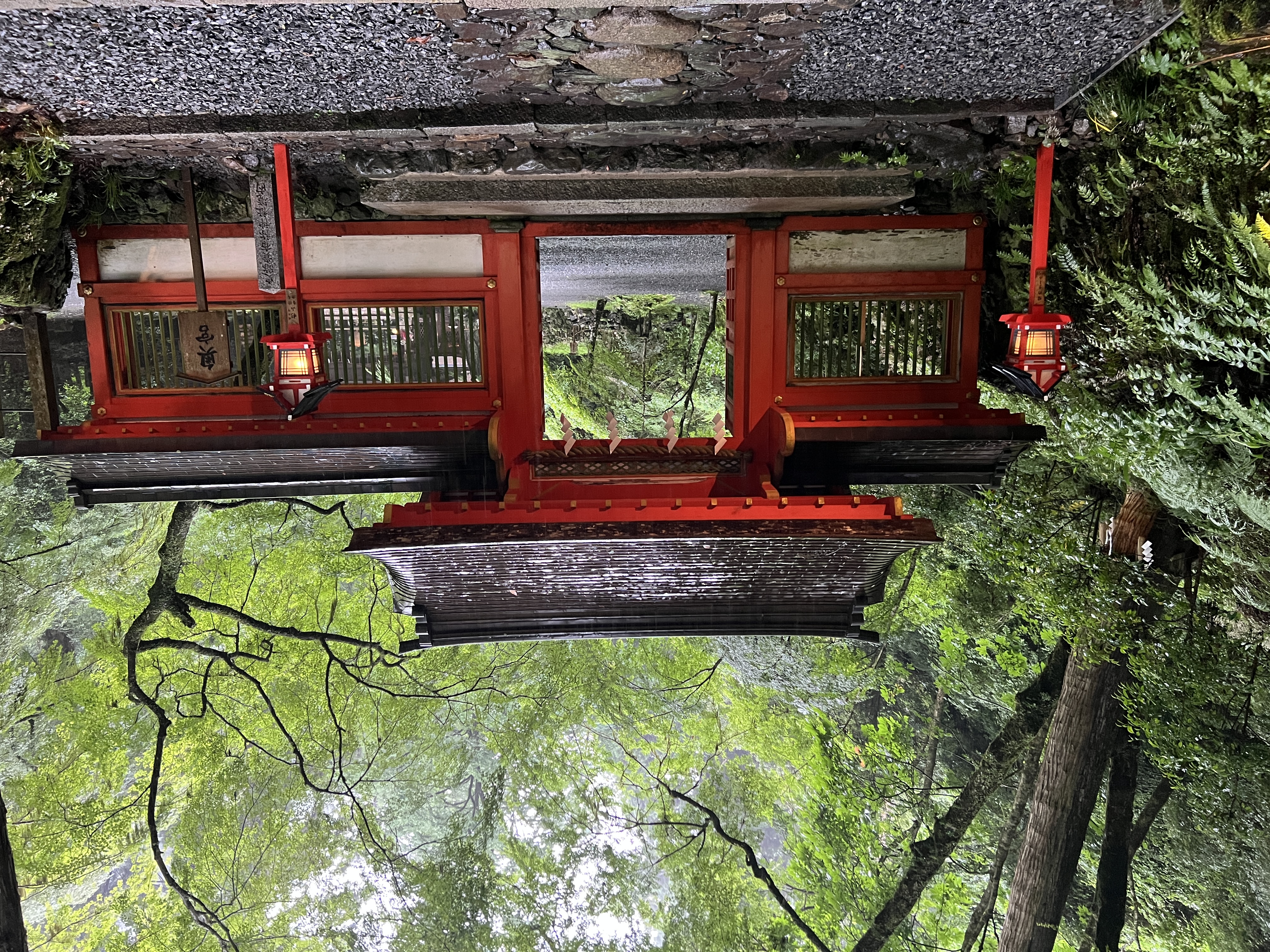
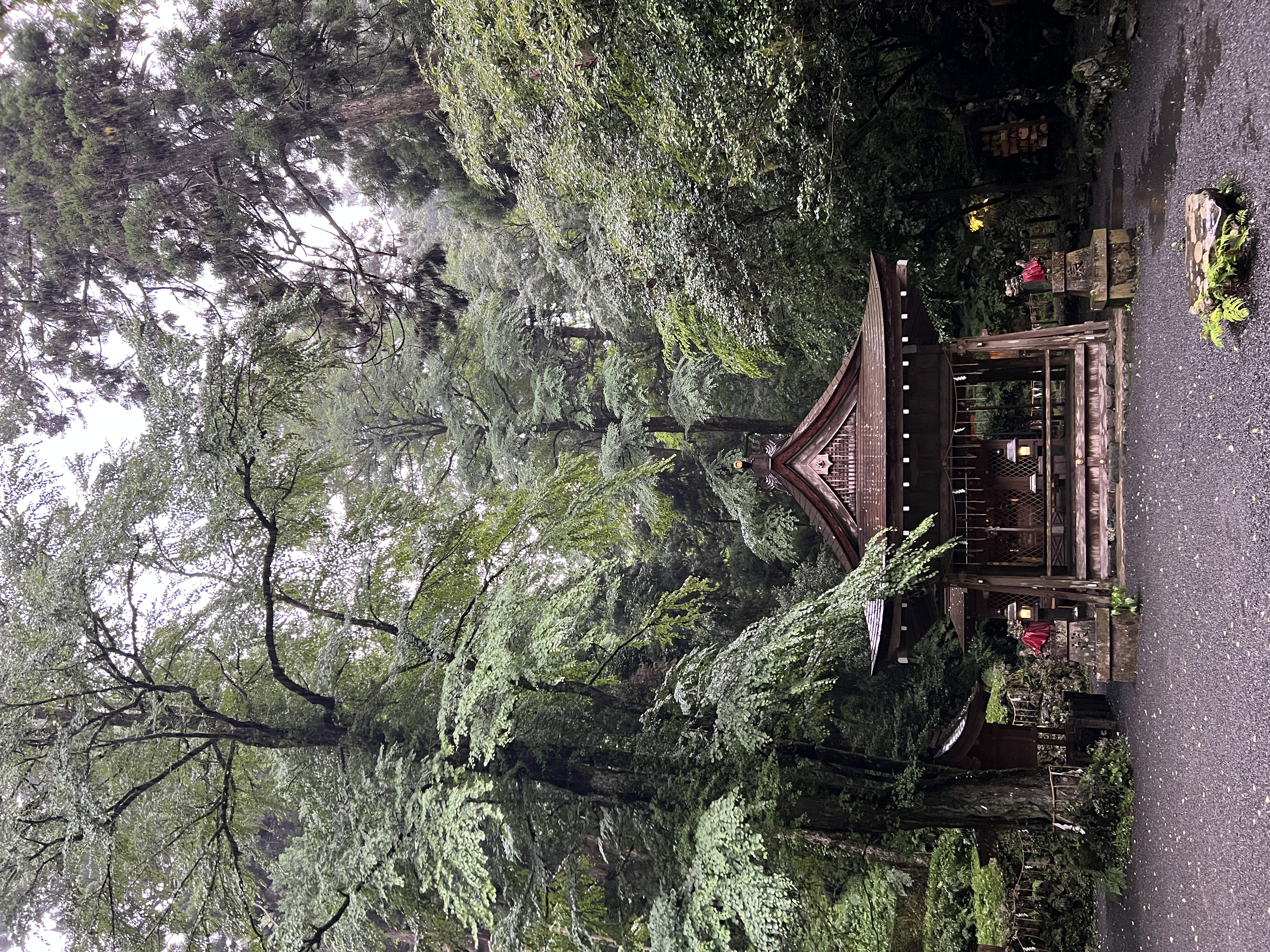
Opening Hours: 6:00 a.m. - 8:00 p.m.
Admission: Free.
Estimated Visit Duration: 1.5 hours.
Address: 180 Kuramakibunecho, Sakyo Ward, Kyoto, 601-1112 Japan;
Phone: +81 75-741-2016;
Website: Kifune Shrine Official Website.
Map Location:
Western Area
Arashiyama
Arashiyama is an area located in the northwest of Kyoto City, featuring low hills and dense bamboo groves. The Arashiyama area is a great spot for viewing cherry blossoms and autumn leaves. The entire Arashiyama area includes multiple attractions.
Arashiyama Bamboo Grove is located next to Tenryu-ji Temple, about a 15-minute walk from the subway station. The bamboo grove is one of the must-visit spots in Arashiyama, offering a serene and picturesque pathway, especially when it is less crowded.
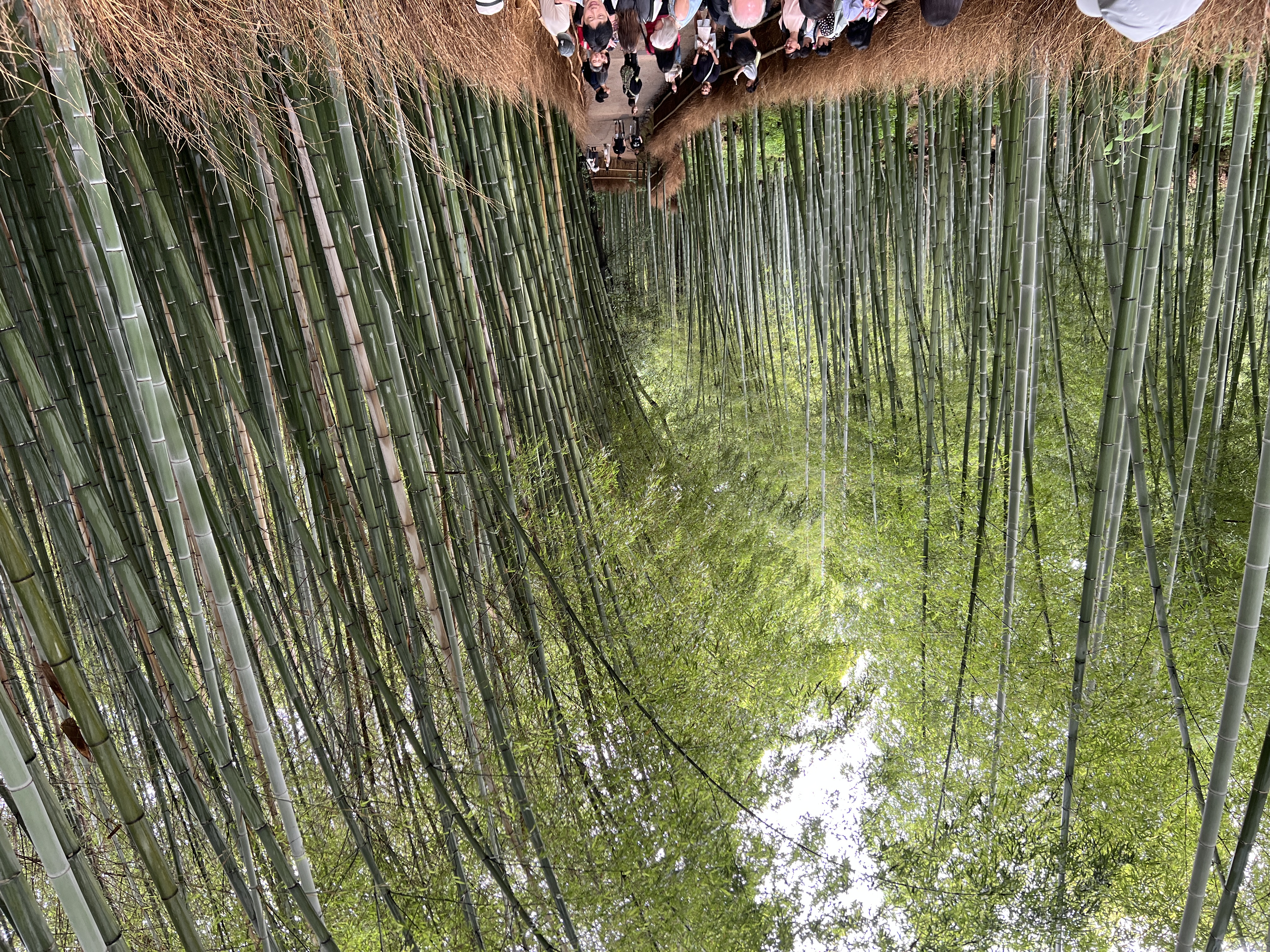
Opening Hours: Open all day.
Admission: Free.
Estimated Visit Duration: 30 minutes.
Address: Sagaogurayama Tabuchiyamacho, Ukyo Ward, Kyoto, 616-8394 Japan;
Website: Arashiyama Bamboo Grove Introduction.
Map Location:
Tenryu-ji Temple is located about a 10-minute walk northwest of Arashiyama Station. Founded in 1339, it is ranked as the top of Kyoto's five great Zen temples. The temple complex includes various halls, the Dharma Hall with the famous cloud dragon painting, and other sightseeing spots. Tenryu-ji was once a large complex consisting of multiple buildings. However, some buildings have been destroyed over history, and the existing structures represent only a small portion of the original temple. Visitors can enter the main hall to experience traditional Japanese tatami rooms up close.
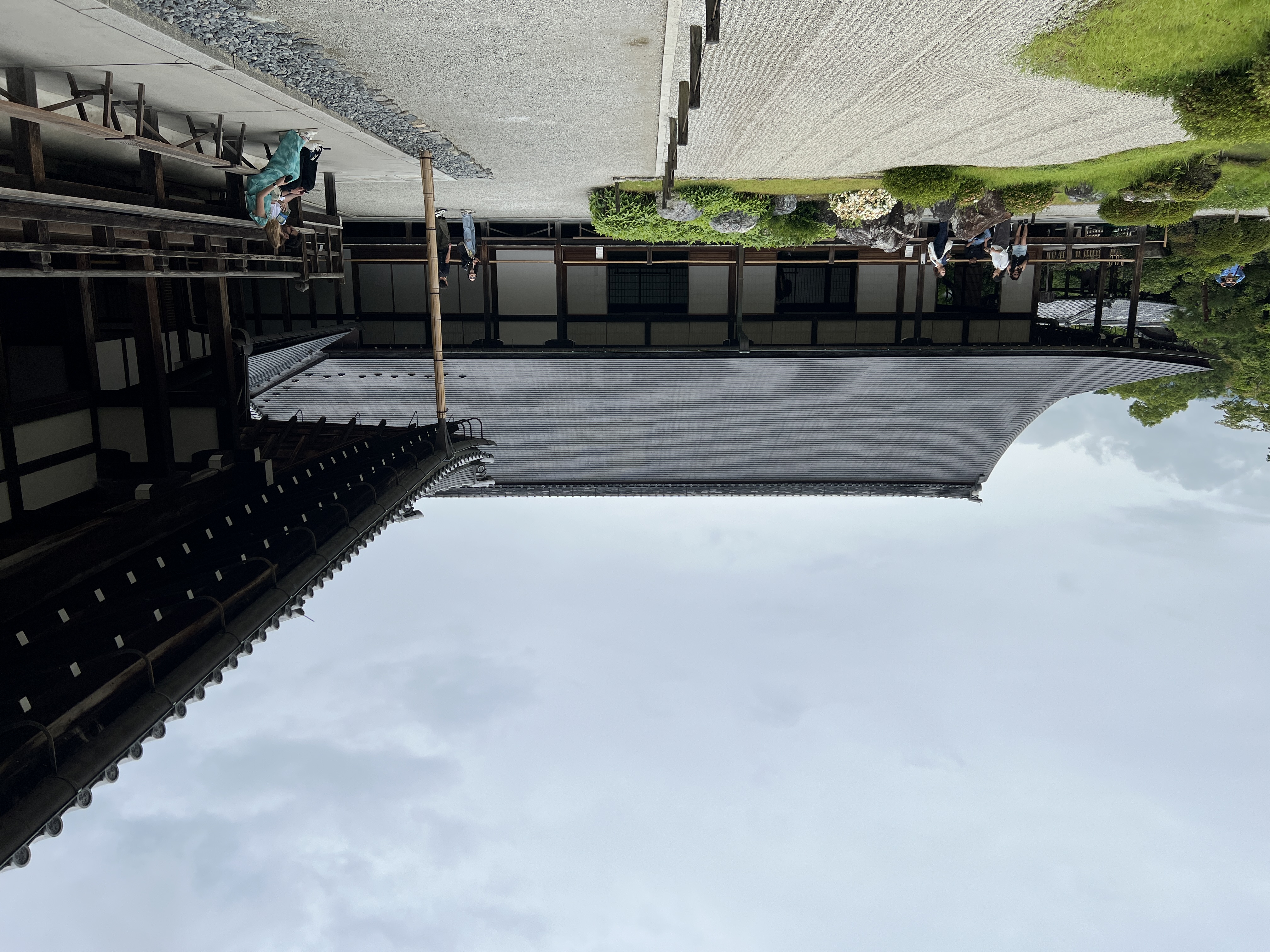
Opening Hours:8:30 a.m.-5:00 p.m.
Admission (Garden):
Adult ¥500;
Elementary and middle school students ¥300;
Children below elementary school age Free.
Admission (Various Halls):¥500.
Admission (Dharma Hall Cloud Dragon Painting):¥500.
Estimated Visit Duration:1-2 hours.
Address: 68 Saga Tenryuji Susukinobabacho, Ukyo Ward, Kyoto, 616-8385 Japan;
Phone: +81 75-881-1235
Website: Official Tenryu-ji Website.
Map Location:
Togetsukyo Bridge is located about a 5-minute walk southeast of Tenryu-ji Temple. It was originally built in 836 and has undergone multiple repairs and reconstructions. The current Togetsukyo Bridge was built in 1934. The bridge is only 155 meters long and spans the Katsura River next to Arashiyama. Togetsukyo Bridge is one of the iconic landmarks of the Arashiyama area and is also an excellent spot for cherry blossom and autumn leaf viewing in spring and fall.
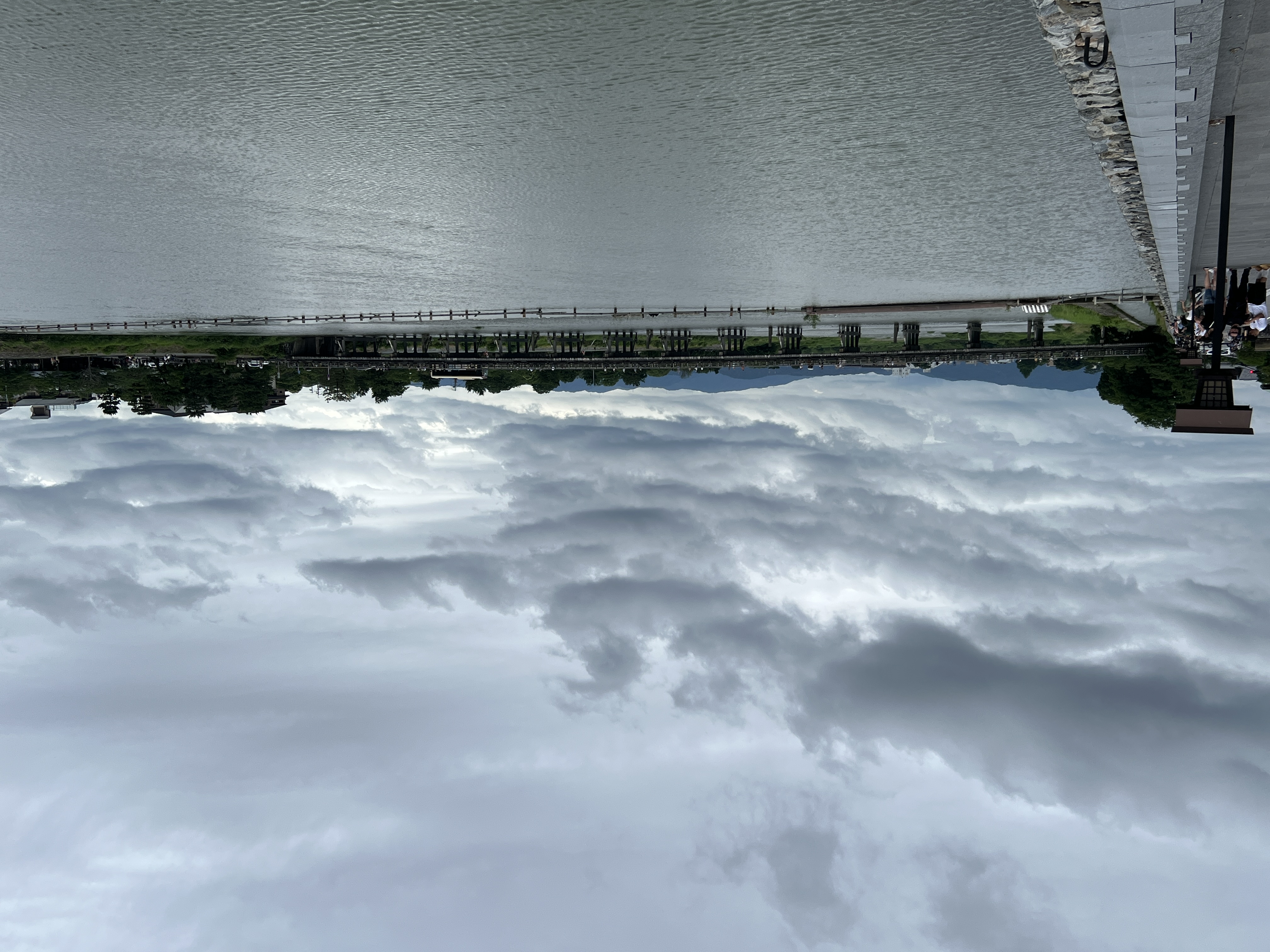
You can take a rickshaw ride to explore Togetsukyo Bridge, or rent a boat to enjoy the Katsura River beneath the bridge. Nearby Togetsukyo Bridge, there is also a memorial monument dedicated to Zhou Enlai, which is worth a visit.
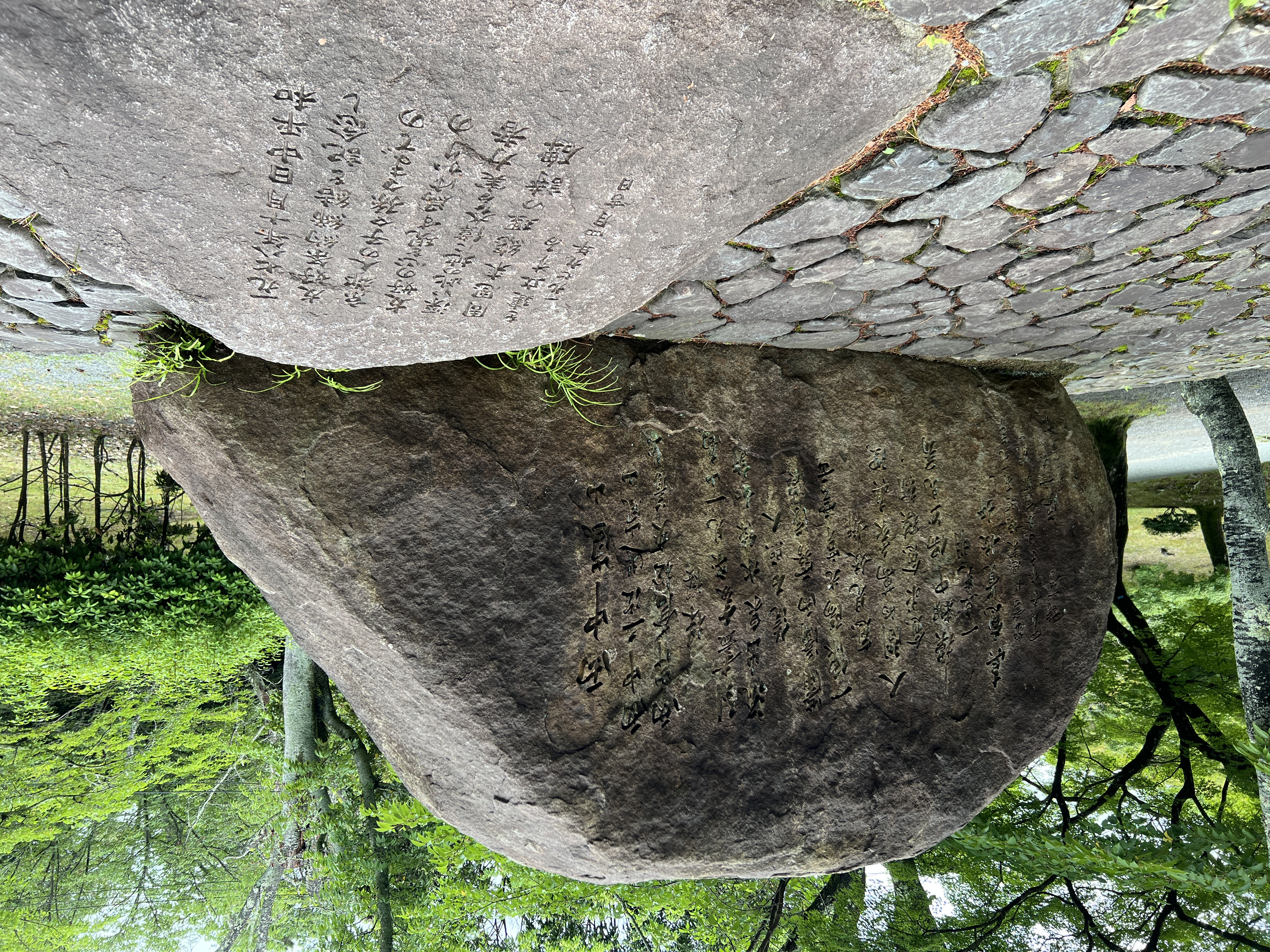
Opening Hours: Open all day.
Admission: Free.
Estimated Visit Duration: 1 hour.
Address: 1-5 Sagatenryuji Susukinobabacho, Ukyo Ward, Kyoto, 616-8384 Japan;
Website: Togetsukyo Bridge Introduction.
Map Location:
Did you know?
•The name "Togetsukyo Bridge" originates from Emperor Kameyama of the Kamakura period. During a moon-viewing party held near the current Togetsukyo Bridge, Emperor Kameyama described the moon reflected in the Katsura River as if it were crossing the bridge, hence the name.
Southern Area
Fushimi Inari Taisha
Fushimi Inari Taisha is a Shinto shrine located in Fushimi-ku, Kyoto. It serves as the head shrine for all Inari shrines and is dedicated to the deity Inari Okami. It is a popular place to seek amulets (omamori) for success in business and luck in love. It is home to the famous Senbon Torii (Thousand Torii Gates). According to legend, Inari Okami was enshrined on Mount Inari in 711 AD during the Nara period, giving the shrine a history spanning over 1,300 years.
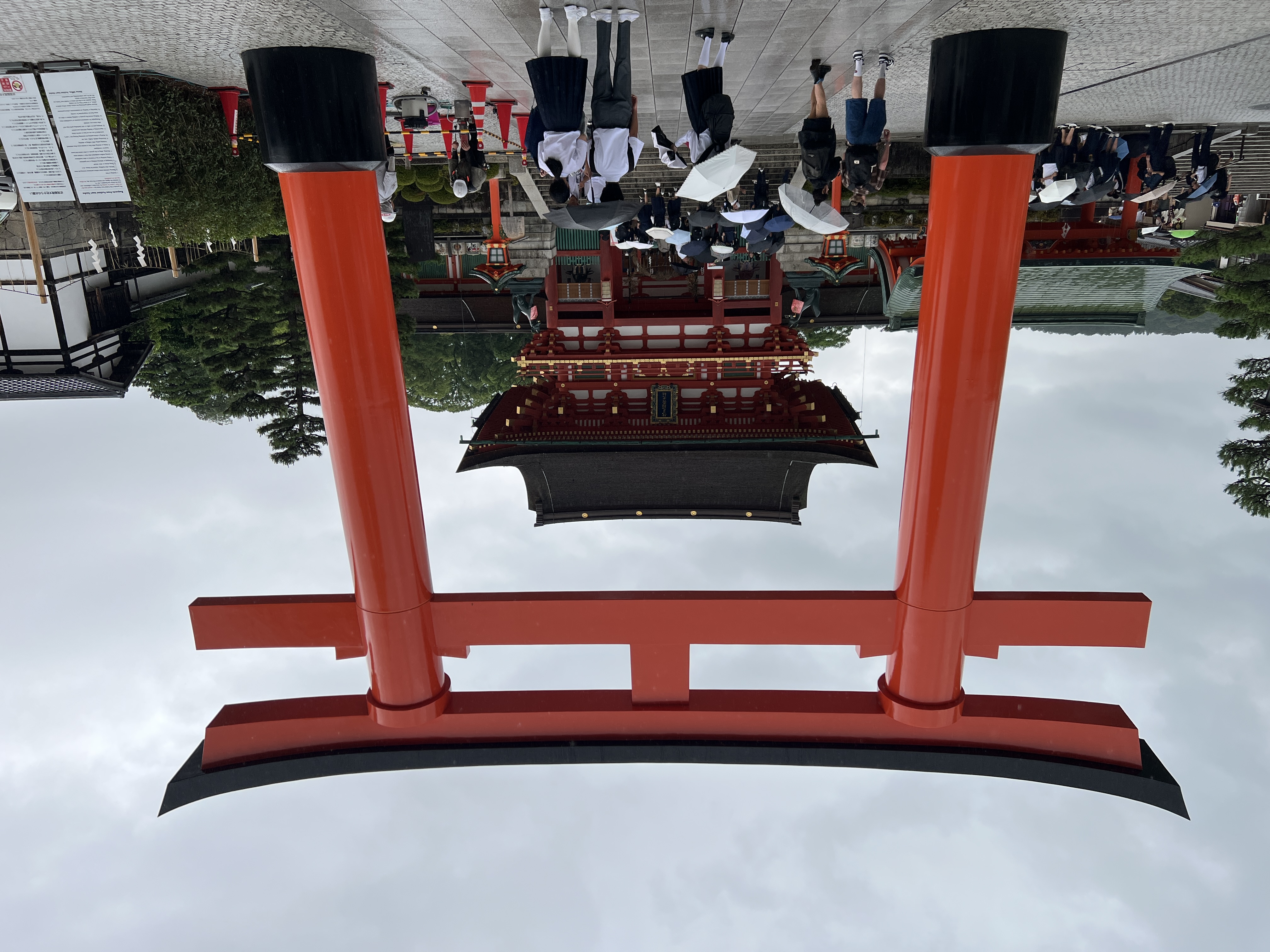
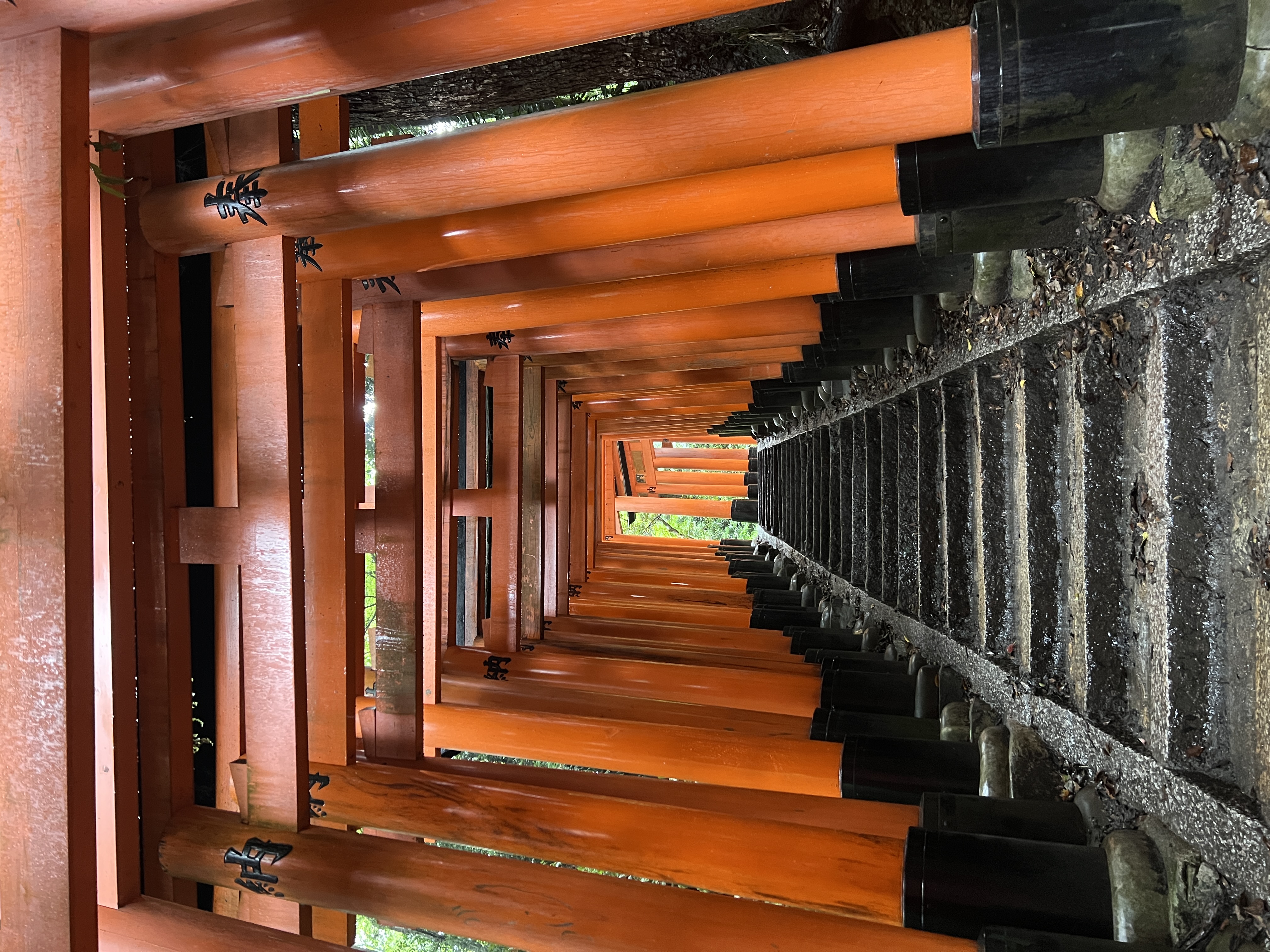
Fushimi Inari Taisha is home to countless torii gates that line the path from the base to the summit of Mount Inari. If you want to capture a photo of the Senbon Torii without any people, consider hiking up the mountain.
Opening Hours: Open all day. (For those seeking a thrill, try hiking up the mountain behind Fushimi Inari Taisha at night.)
Admission: Free.
Estimated Visit Duration: 1-2 hours.
Address: 68 Fukakusa Yabunouchicho, Fushimi Ward, Kyoto, 612-0882 Japan;
Phone: +81 75-641-7331;
Website:Fushimi Inari Taisha Official Website, Fushimi Inari Taisha Map.
Map Location:
To-ji Temple
To-ji Temple is located in Minami-ku, Kyoto, also known as Kyo-o Gokoku-ji, dedicated to Yakushi Nyorai, with the mountain name Hachiman-yama. To-ji was built in 794 during the Heian period, after Emperor Kanmu moved the capital to Heian-kyo.
The main buildings within To-ji include the Kondo (National Treasure), Kodo (Important Cultural Property), and the Five-story Pagoda (National Treasure), the latter being the most famous. It is the tallest wooden pagoda in Japan and is considered a symbol of Kyoto.
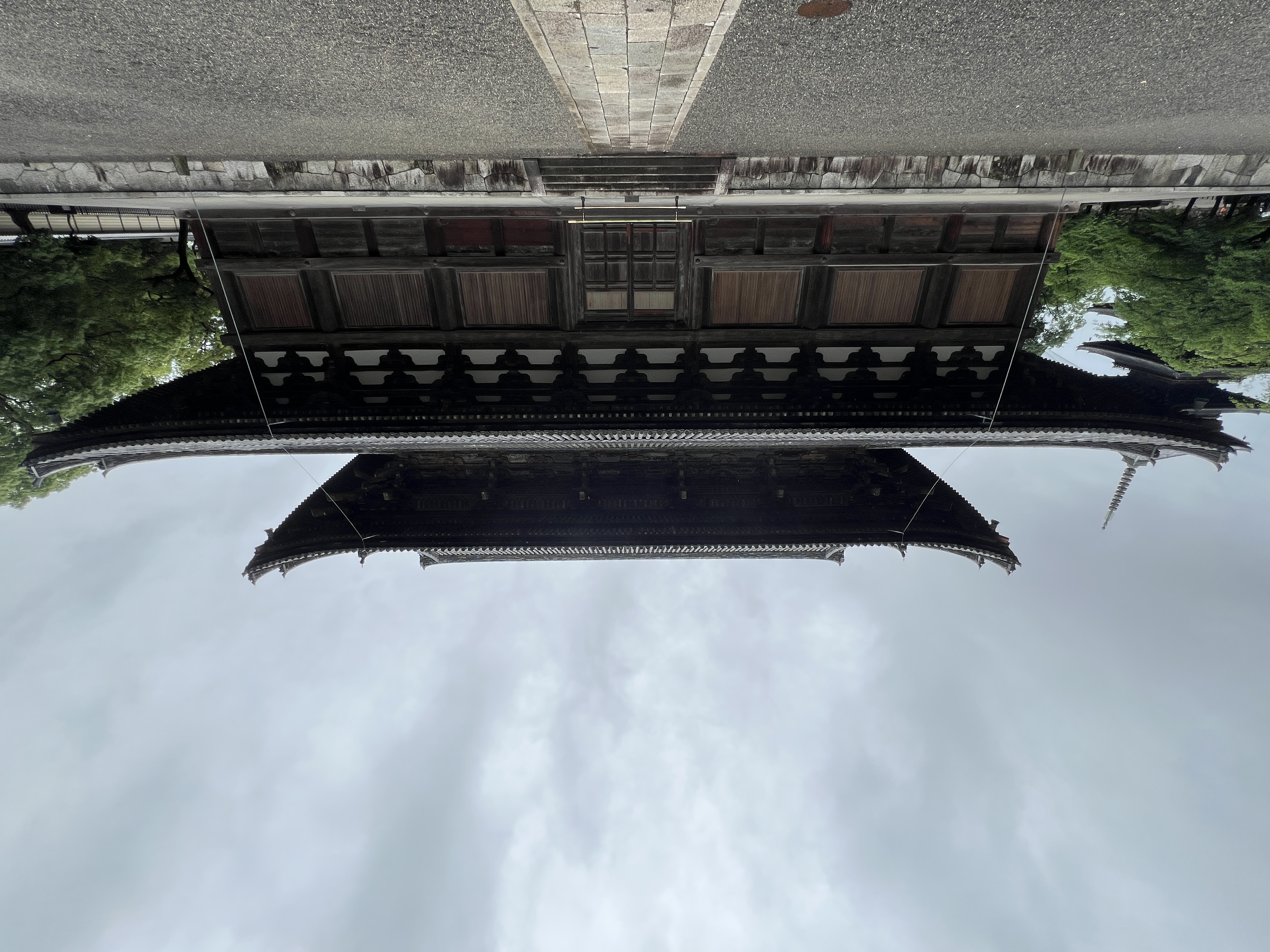
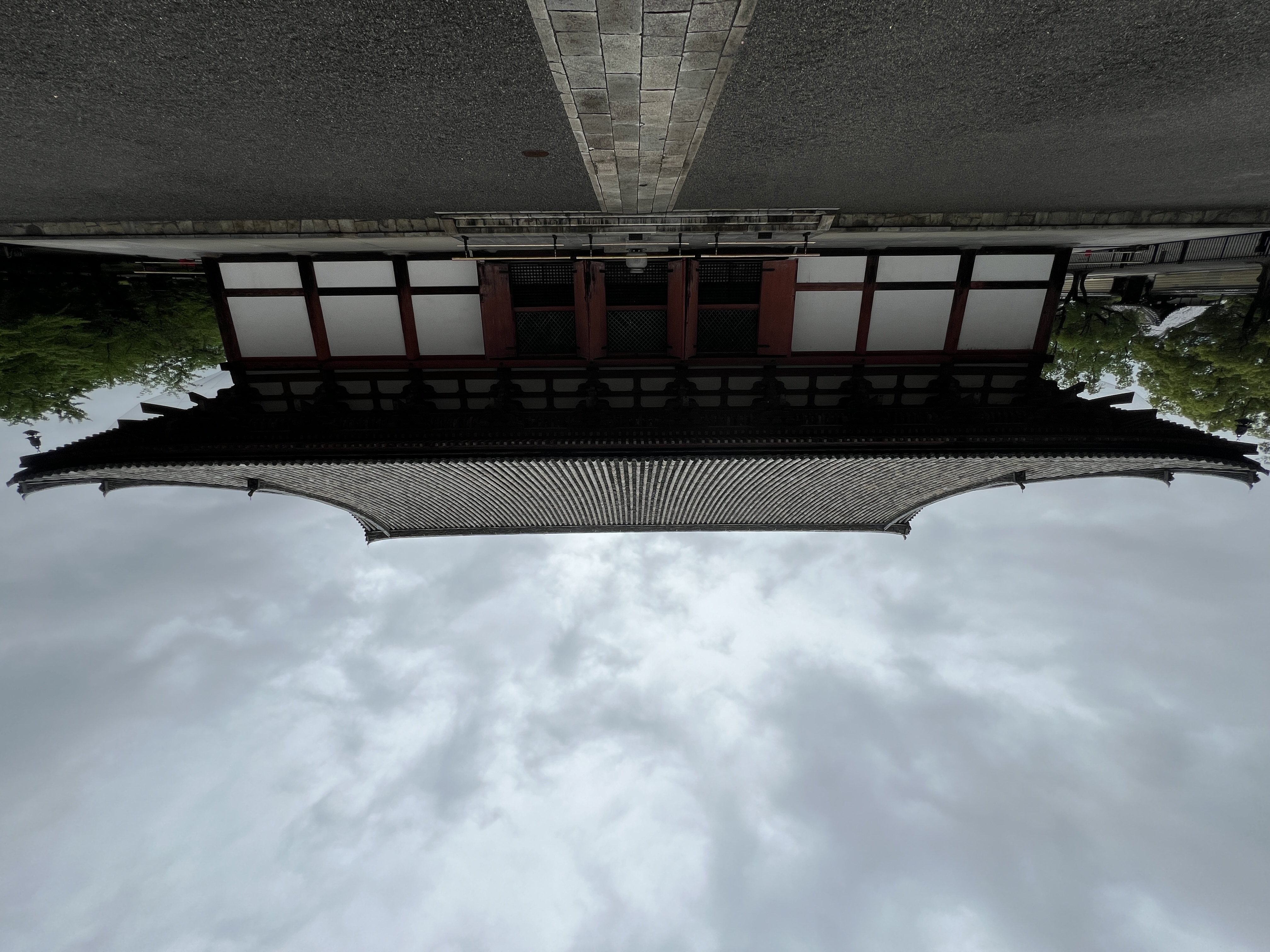
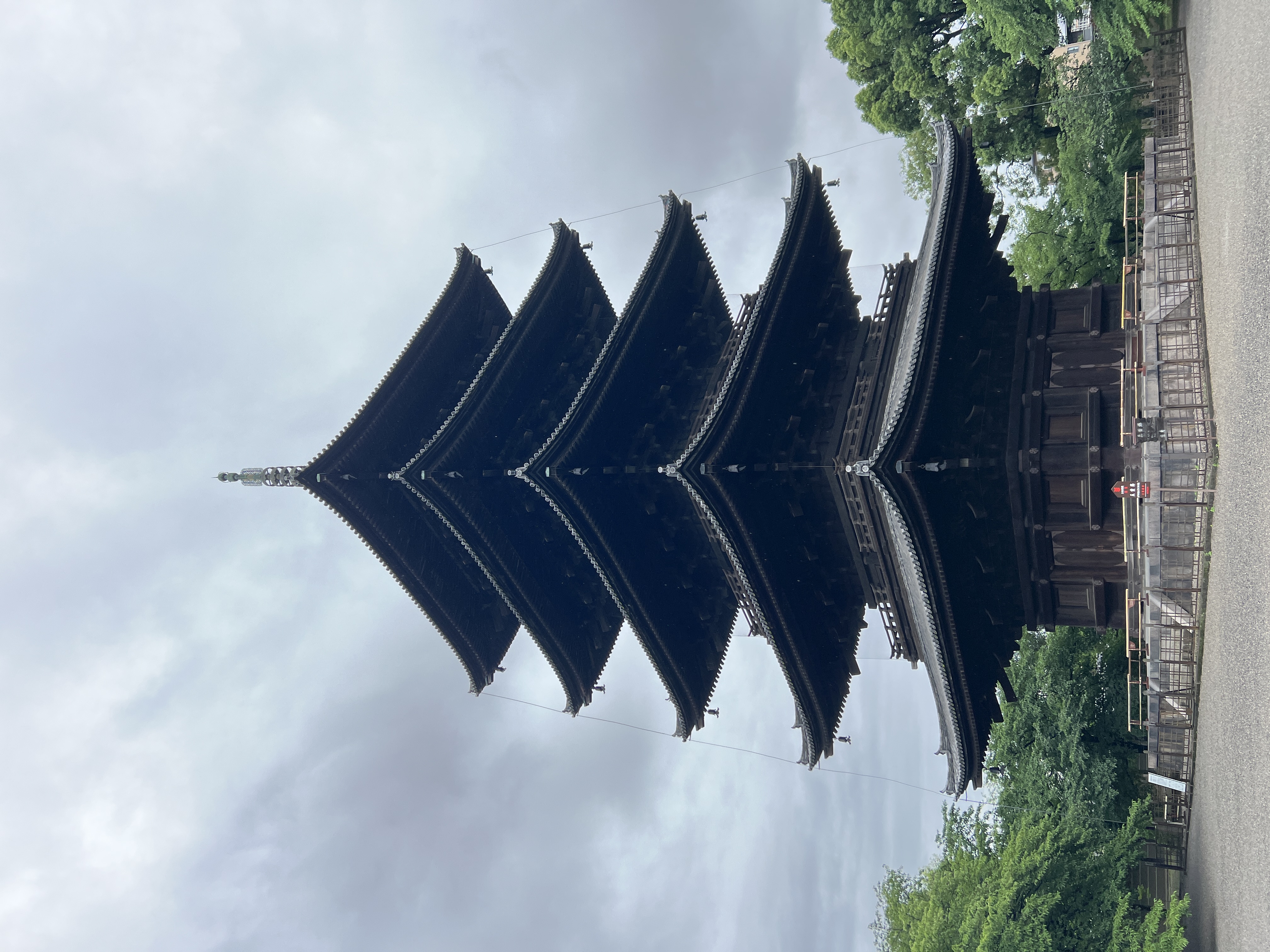
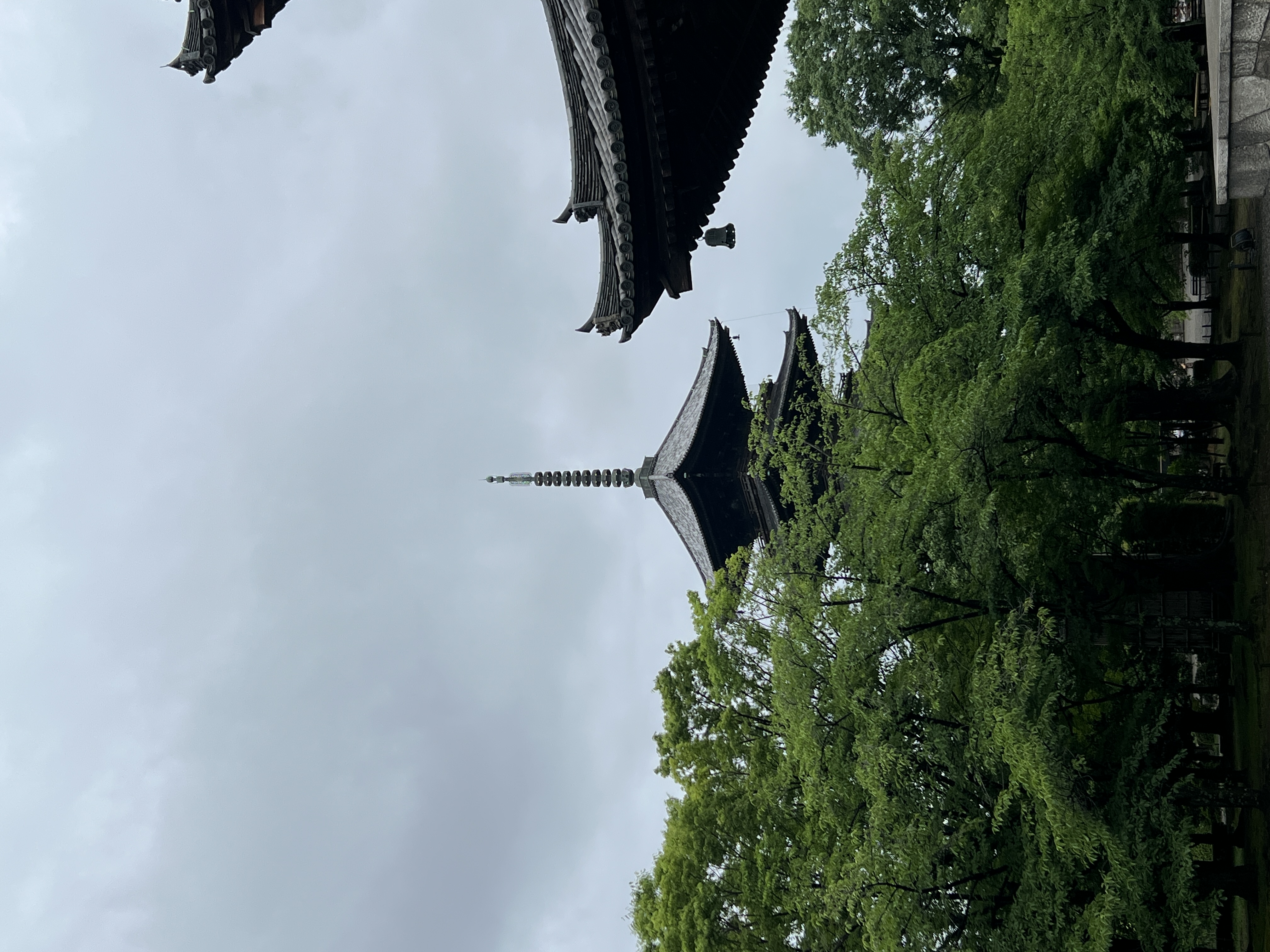
Although To-ji has played a very important role in history, it seems less popular in tourism compared to some other more famous attractions in Kyoto. But this is exactly the reason to recommend visiting To-ji!
Opening Hours: 8:00 a.m.-5:00 p.m.
Admission Fee: ¥800.
Estimated Visit Duration: 30 minutes to 1 hour.
Address: 1 Kujocho, Minami Ward, Kyoto, 601-8473 Japan;
Phone: +81 75-691-3325;
Website: To-ji Official Website, To-ji Temple Map, To-ji Event Schedule (The Five-story Pagoda of To-ji is generally not open for visits, but there are special worship events on certain dates each year).
Map Location:
Did you know?
• Kyoto is also known as Heian-kyo, and the Heian period marks the beginning of Kyoto as the capital. However, today, To-ji is the only building remaining from the Heian period in Kyoto.
Kyoto Railway Museum (not visited)
The Kyoto Railway Museum is located in Shimogyo Ward, Kyoto, and is the largest railway museum in Japan. The museum boasts a rich collection of railway-related exhibits, from various Japanese railway tracks, locomotives, and carriages to the uniforms of train staff. It is a must-visit destination for train enthusiasts! The museum also features a Thomas the Tank Engine steam train and a simulator cockpit for interactive experiences.
Opening Hours: 10:00 a.m. - 5:00 p.m., closed on Wednesdays (last admission at 4:30 p.m.).
Admission Fee:
¥1500 Adults;
¥1300 University Students;
¥500 Junior High and Elementary School Students;
¥200 Infants (3 years and older);
Free Infants (under 3 years old).
For group visits, please refer to the Kyoto Railway Museum Official Website.
Estimated Visit Duration: 2 hours.
Address: Kankijicho, Shimogyo Ward, Kyoto, 600-8835 Japan;
Website: Kyoto Railway Museum Official Website.
Map Location:
Nara
Toshodai-ji Temple
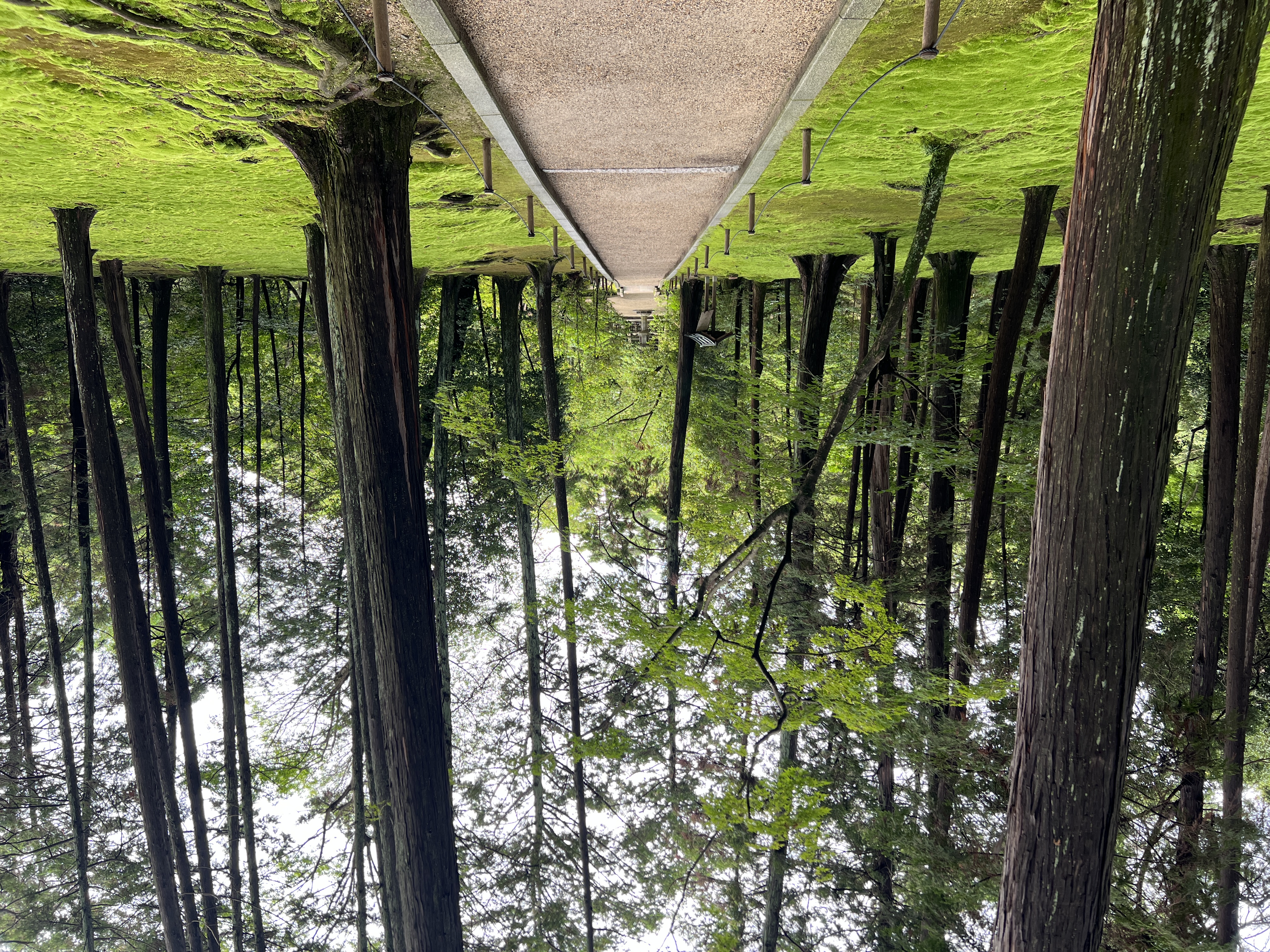
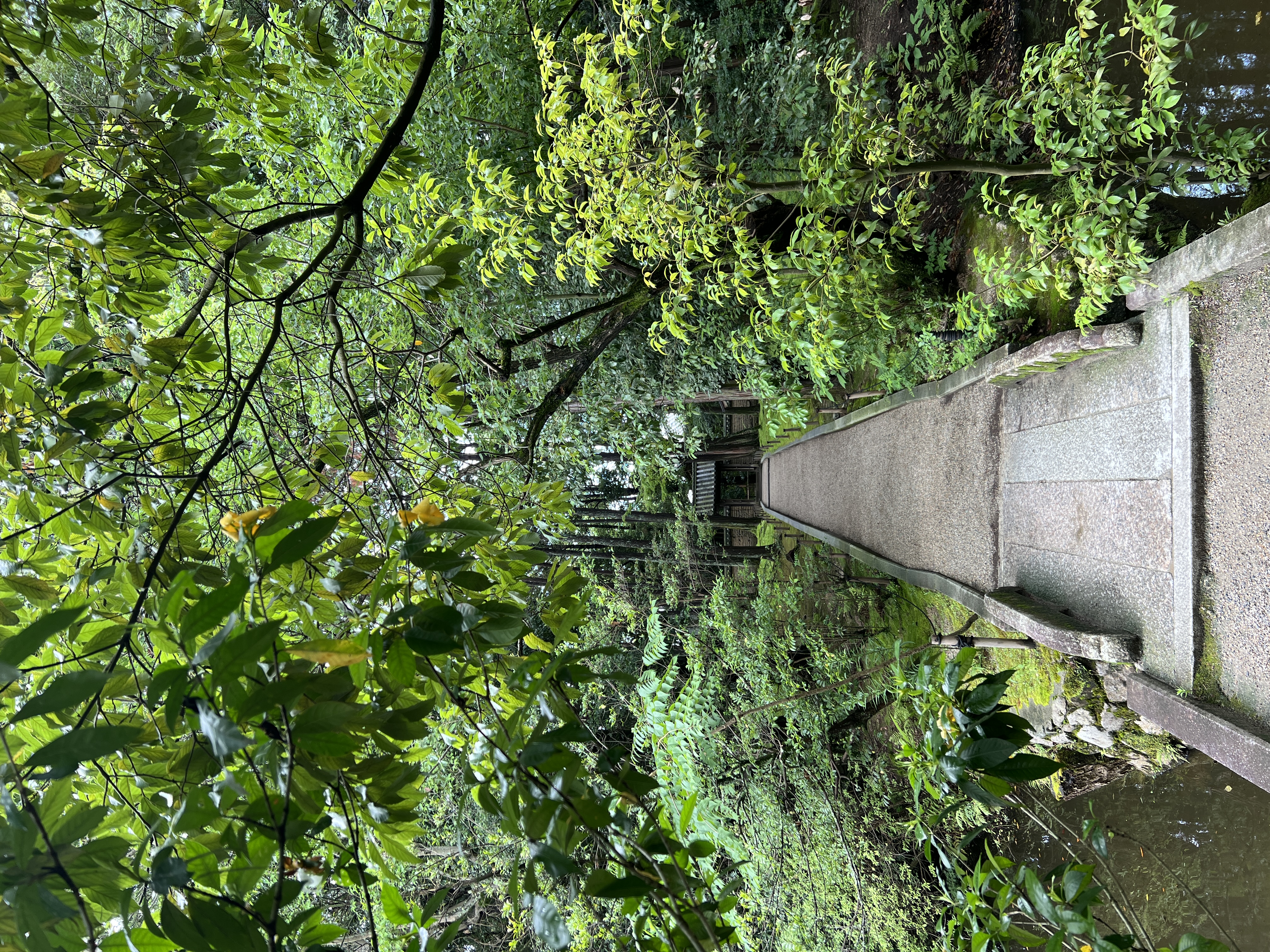
Toshodai-ji Temple is located in Gojocho, Nara City. It was personally planned and built by the Chinese Tang Dynasty monk Jianzhen during his eastward journey to Japan in 759. The temple as a whole adopts the architectural style of the flourishing Tang Dynasty.
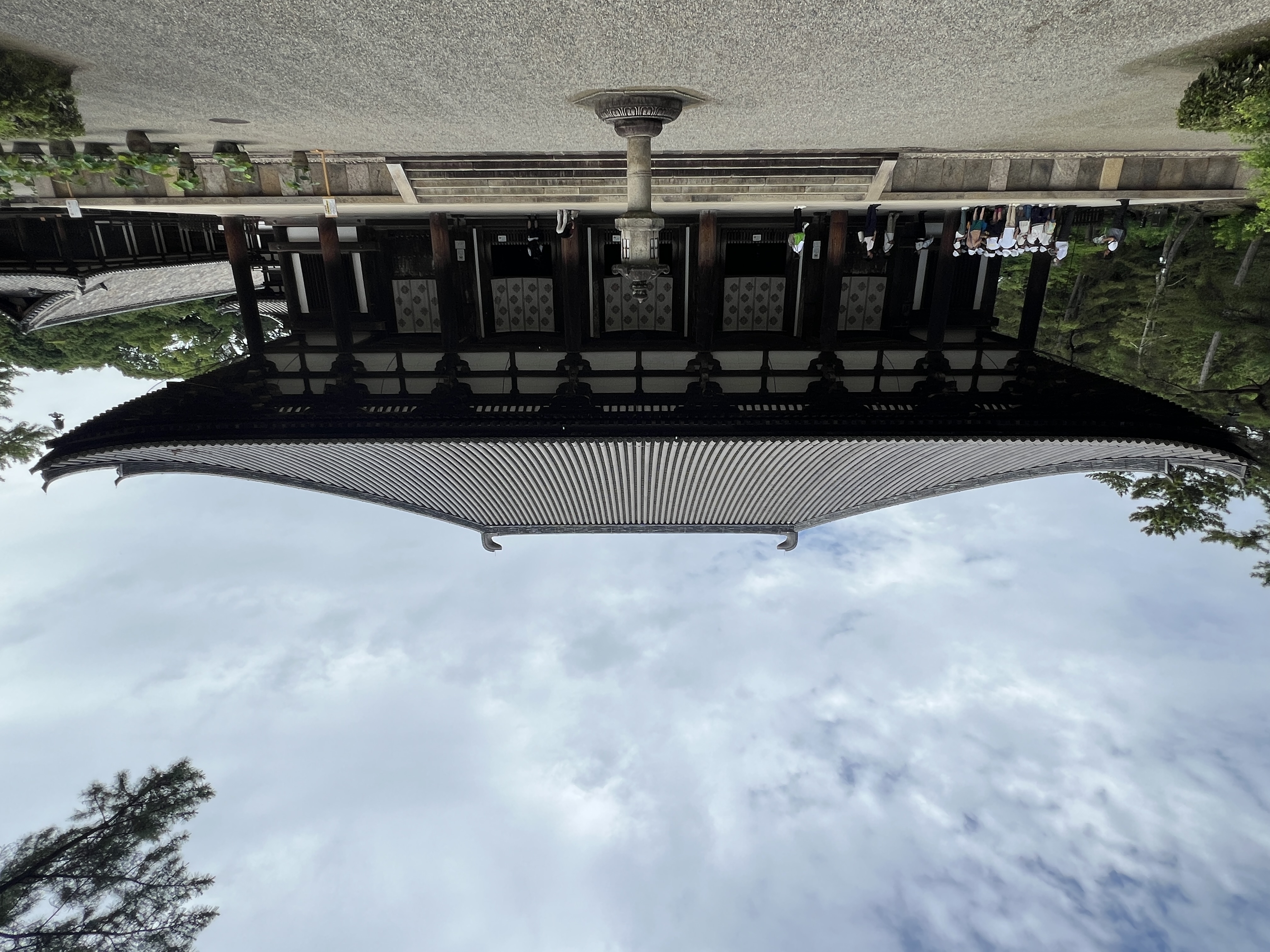
Opening Hours:8:30 a.m.-4:30 p.m.
Admission Fees:
¥1000 Adults;
¥400 University and high school students;
¥200 Elementary school students;
Groups (30 or more) receive a 20% discount on the above prices.
Estimated Visit Duration: 1 hour.
Address: 13-46 Gojocho, Nara, 630-8032 Japan;
Phone: +81 74-233-7900;
Website: Official Toshodai-ji Temple Website.
Map Location:
Todai-ji Temple
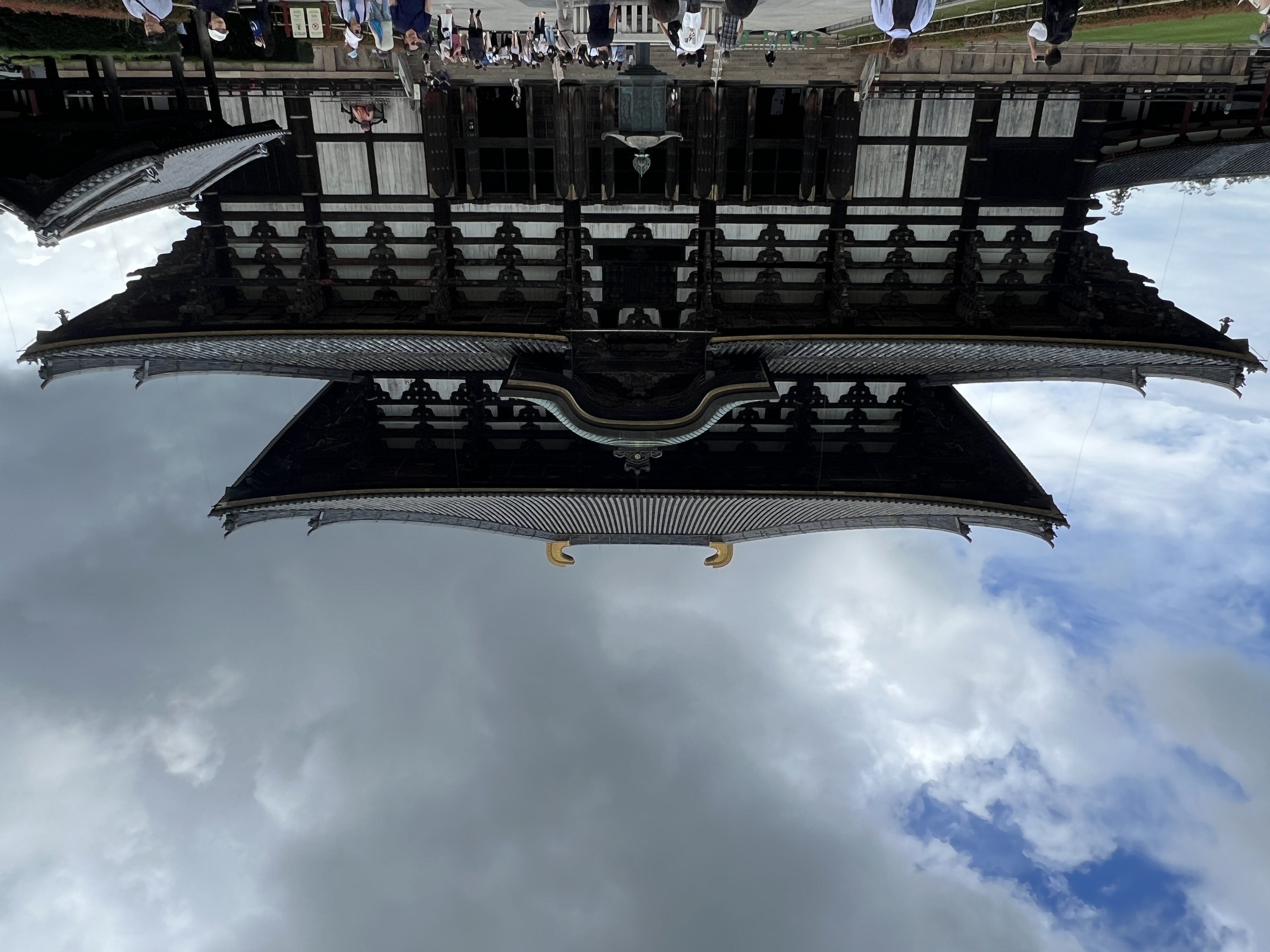
Todai-ji Temple is located in Zoshicho, Nara City, and was built in 728 by Emperor Shomu of Japan. The front width of Todai-ji Temple is 57 meters, and the depth is 50 meters, making it the largest wooden building in the world. The Buddha statues inside Todai-ji Temple are also very large, evoking awe and reverence.
Opening Hours:
7:30 a.m.-5:30 p.m. (April to October);
8:00 a.m.-5:00 p.m. (November to March).
Admission Fees:
¥800 Adults, university students, high school students, and junior high school students;
¥400 Elementary school students.
For information on group ticket prices, please refer to the official website.
Estimated Visit Duration: 1 hour.
Address: 406-1 Zoshicho, Nara, 630-8587 Japan;
Phone: +81 74-222-5511;
Website: Official Todai-ji Temple Website.
Map Location:
Did you know?
•Corresponding to Todai-ji Temple, Nara also has Sai-ji Temple, but it is not as famous as Todai-ji Temple in tourism.
Nara Park
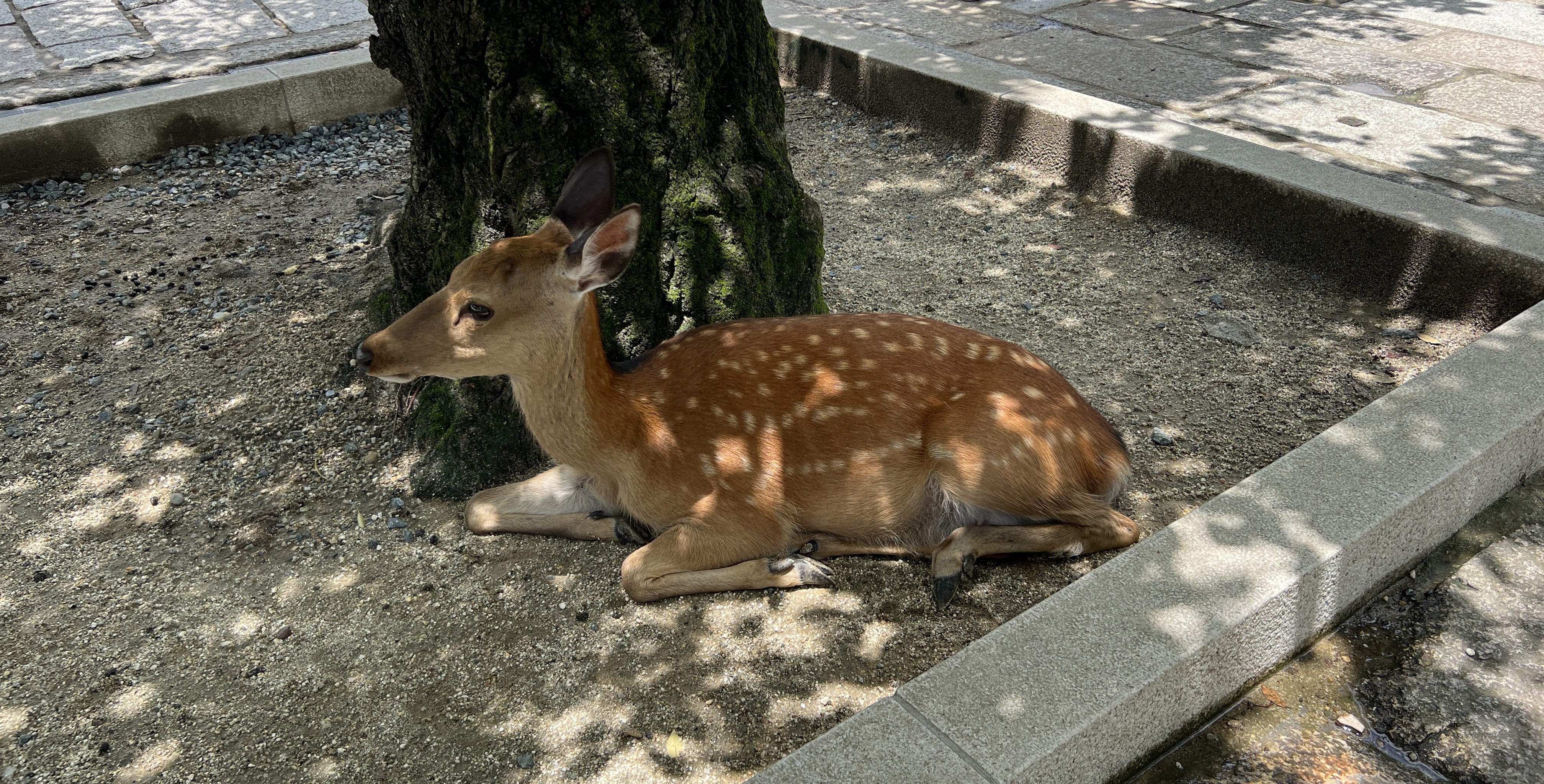
Nara Park is located at the foot of Mount Wakakusa in Nara City. Besides the typical scenic views of a park, Nara Park’s biggest feature is the free-roaming deer that visitors can interact with. If interested, you can also buy deer crackers for 200 yen per pack from nearby shops to feed the deer. Additionally, Nara Park is situated near the center of Nara City, making it convenient to visit several important attractions such as Todai-ji Temple, Kasuga Taisha Shrine, and Mount Wakakusa.
Opening Hours: Open all day.
Admission Fees: Free.
Estimated Visit Duration: 30 minutes.
Phone: +81 742-222-0375;
Website: Official Nara Park Website.
Map Location:
Mount Wakakusa (not visited)
Mount Wakakusa is a small mountain located to the east of Nara Park in Nara City, featuring a large grassy area that offers panoramic views of the city. If you’re interested in taking portrait photos with a grassy background, Mount Wakakusa is a great choice. The mountain also hosts a special annual grass-burning ceremony, which is worth visiting if you happen to be there at the right time.
Opening Hours: Open all day.
Admission Fees: Free.
Estimated Visit Duration: 30 minutes.
Address: Zoshicho, Nara, 630-8211 Japan;
Map Location:
Kasuga Taisha Shrine (not visited)
Kasuga Taisha Shrine is located within Nara Park and was established in 710 AD as the head shrine of the Kasuga faith. Unlike most other shrines that typically enshrine up to two deities, Kasuga Taisha enshrines four deities. The shrine is known for its vibrant colors, with many buildings painted in vermilion, creating a striking contrast with the surrounding greenery, making it an excellent spot for photography.
Opening Hours: 7:00 a.m. - 5:00 p.m.
Admission Fees:
¥700 Adults;
¥400 University and high school students;
¥300 Junior high and elementary school students;
Group rate for adults of 20 or more is ¥600 per person, no group discount for students.
Map of the Shrine:
Estimated Visit Duration: 1 hour.
Address: 160 Kasuganocho, Nara, 630-8212 Japan;
Phone: +81 74-222-7788;
Website: Kasuga Taisha Official Website.
Map Location:
Osaka
Due to last-minute flight changes, the Osaka area tour has been largely cut, with only half a day expected for visiting Osaka Castle.
Osaka Castle
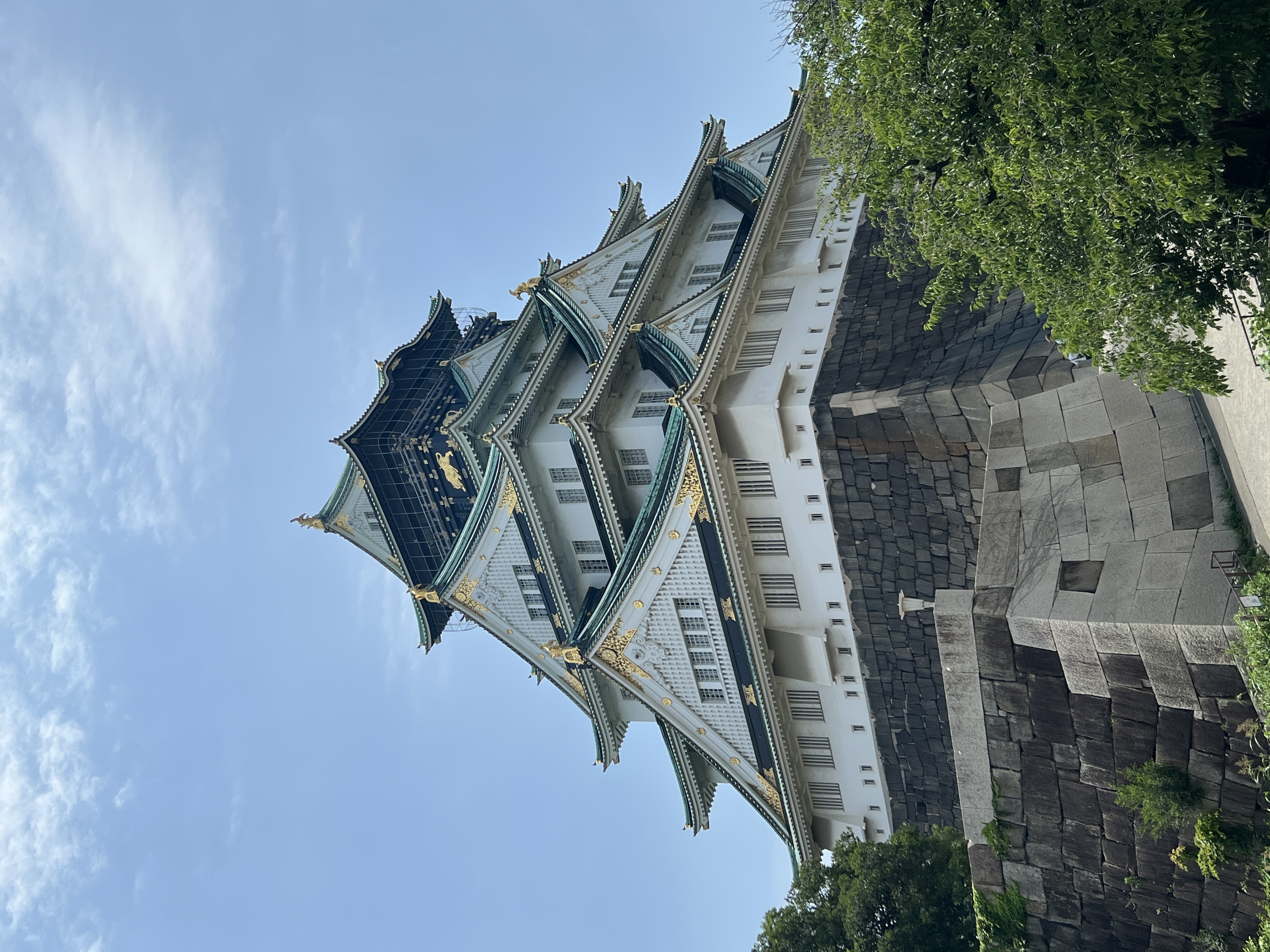
Located in Chuo-ku, Osaka Castle stands as one of Japan’s most iconic landmarks. Originally constructed during the Momoyama period as the residence of Toyotomi Hideyoshi, it later became a pivotal stronghold for the Tokugawa Shogunate following the Toyotomi clan’s defeat.
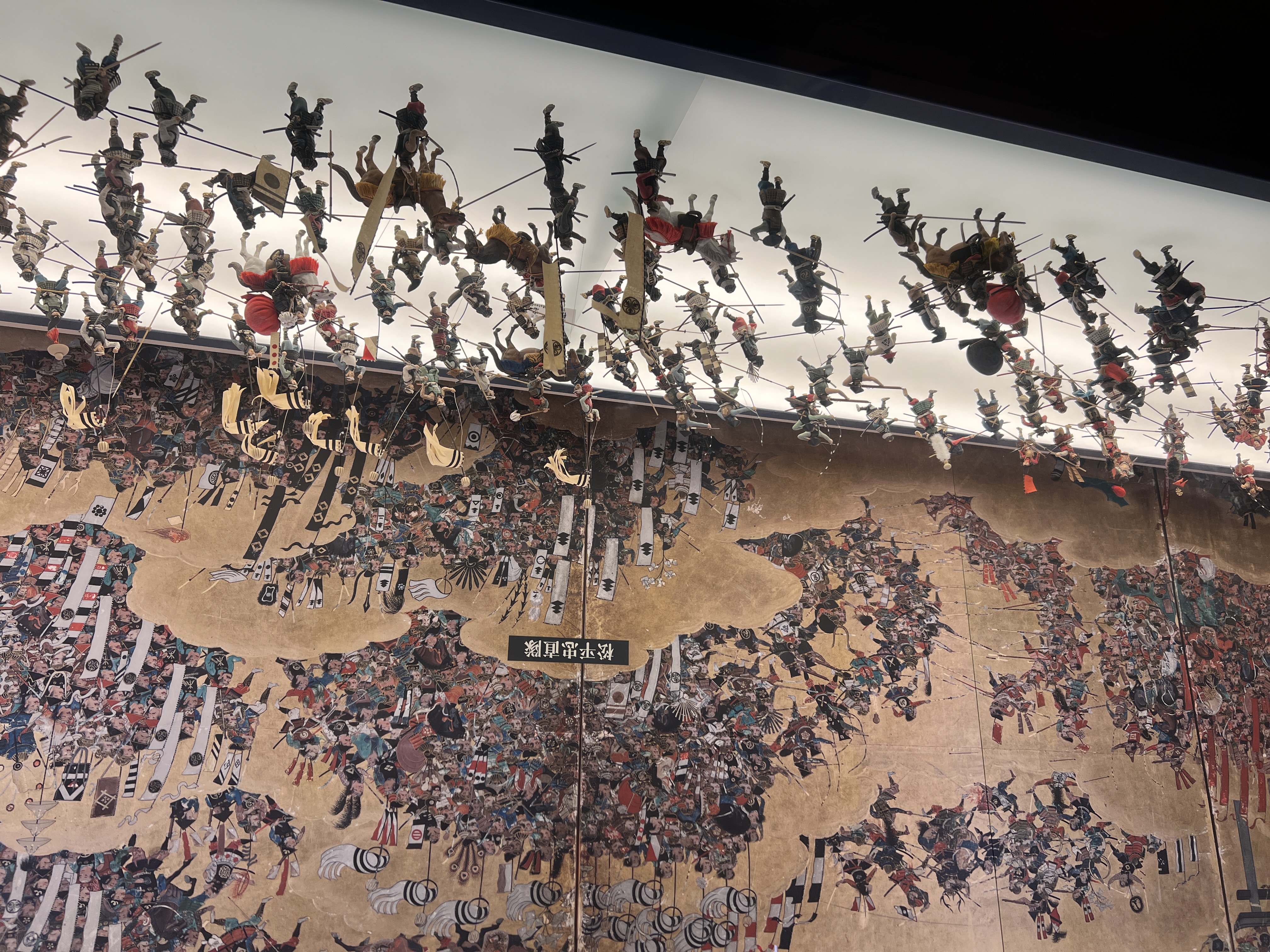
The castle’s history is a tumultuous one. The original structure was razed in 1615 during the Siege of Osaka, the decisive battle where the Tokugawa clan overthrew the Toyotomi family. In 1620, Shogun Tokugawa Hidetada ordered the castle’s reconstruction; in doing so, he systematically destroyed nearly all remnants of the original fortress, burying the ruins meters underground in a deliberate attempt to eradicate the memory of Toyotomi rule. However, this new iteration was short-lived, as the Main Tower was struck by lightning and destroyed by fire in 1665. Misfortune struck again in 1868 during the Battle of Toba-Fushimi, where the shogunate’s defeat left the castle almost entirely in ruins. The structure standing today was resurrected in 1928.
While the modern Osaka Castle is not a “historical relic” in the strictest sense, its design and appearance meticulously reference the original blueprints from both the Toyotomi and Tokugawa eras. Today, the Main Tower functions as a comprehensive history museum, housing a wealth of artifacts and archives. From its top floor, visitors can enjoy a breathtaking panoramic view of the Osaka cityscape.
Opening Hours:9:00 a.m.-6:00 p.m. (Last admission at 5:30 p.m.)
Admission Fees:Advance reservation 1 to 2 days prior is required for Main Tower visits through the official website;
¥1200 Adults;
¥600 University students;
Free for junior high school students and below.
Group tickets (15 or more people) receive a 10% discount.
Visitor Guide:
Estimated Visit Duration: 1-2 hours.
Address: 1-1 Osakajo, Chuo Ward, Osaka, 540-0002 Japan;
Phone: +81 66-941-3044;
Website: Official Osaka Castle Website.
Map Location:
Appendix I: Transportation
Primarily traveling by rail (except for Kyoto, which has less frequent rail service). For a comprehensive overview of Japanese railway ticket rules, please refer to the Appendix. Below are guidelines for some commonly used intercity trains.
Tokyo - Mount Fuji
There are multiple transportation options for this route; here are some common ones:
Direct Trains
- JR Chuo Line Limited Express Fujikyu: Shinjuku Station to Kawaguchiko Station. Departs every morning at 7:30/8:30/9:30/10:30 a.m. Duration: 2 hours, Cost: ¥4000. It is recommended to book in advance through JR.
- JR Chuo Line Rapid: JR Tokyo Station to Kawaguchiko Station. Duration: 3 hours, Cost: ¥2600.
Transfers
Since Mount Fuji is a popular destination, transfers generally do not take much longer than direct trains. One key transfer point is Otsuki Station. The basic route is to reach Otsuki Station by various means (about one and a half hours), then transfer to the Fujikyu Line to Kawaguchiko Station (about one hour). Note that the Fujikyu Line has fewer trains (about every 30 minutes), so be careful not to miss your train while waiting.
Buses
There are many companies providing services. The cheapest and (nominally) faster options are available, but be cautious of delays and congestion during peak hours.
Mount Fuji - Kyoto
First take the Sekitori bus from Kawaguchiko to Mishima Station, then transfer to the Shinkansen to Kyoto. It takes about 4 hours.
Main reference: Xiaohongshu post.
Sekitori Bus
Route: Kawaguchiko Station - Mishima Station.
Schedule: Between 9:30am - 7:00pm, approximately every half hour.
Fare: TBD
Duration: About 1.5 hours.
Booking: Book one month in advance through Sekitori.
Shinkansen
Route: Mishima Station - Kyoto Station; may require transfer at Nagoya.
Schedule: Approximately every half hour.
Fare: TBD
Duration: About 2 hours.
Booking: Book one month in advance through JR, or buy on-site at Mishima Station, reportedly with ample availability.
Kyoto - Osaka - Nara - Uji - Lake Biwa
In this area, transportation generally does not require special reservations. Some special routes include:
- Kyoto - Osaka: There are many options, basically divided into the following types:
| Method | Frequency | Speed (15/30/50 min) | Price (¥500-1500) |
|---|---|---|---|
| JR Shinkansen | Frequent | Fast | Expensive |
| JR Kansai Airport Limited Express Haruka | Few | Medium | Expensive (discounts available for foreigners when purchased online in advance) |
| JR Tokaido, Sanyo Main Line (Kyoto Main Line): Shinkaisoku/Thunderbird |
Medium | Medium | Medium |
| Hankyu Kyoto Line | Frequent | Slow | Low |
| Keihan Main Line (Express/Limited Express) | Frequent | Slow | Low |
- Kyoto - Nara: Generally take Kintetsu Kyoto Line and Kintetsu Nara Line, about 45 minutes, costing ¥800.
- Osaka - Kansai Airport: JR Kansai Airport Rapid Service, about 70 minutes, costing ¥1200; or JR Kansai Airport Limited Express Haruka, about 45 minutes, costing ¥2500; or Nankai Electric Railway (from Namba) Limited Express, about 40 minutes, costing ¥1500; Rapid Service about 45 minutes, costing ¥1000.
- Osaka - Nara: Generally take Kintetsu Namba Line and Kintetsu Nara Line, about 30 minutes, costing ¥700.
- Kyoto - Uji: JR, about 20 minutes, costing ¥300.
- Kyoto - Shiga: JR, about 30 minutes, costing ¥400.
- Kyoto - Hikone: JR, about 1 hour, costing ¥1000.
Overview of Japanese Railway Tickets
Unlike most countries, Japan’s railway system is managed by multiple independent operators. These primarily include the Japan Railways (JR Group)—which is further divided by region into entities like JR East and JR West—along with various municipal subways and private railways (Shitetsu). While different operators often share the same station for transfers, you may find yourself needing to exit through the gates of Company A before entering those of Company B within the same building.
To alleviate the complexity of purchasing individual tickets, railway companies have adopted various IC cards and passes. The widely recognized Suica (issued by JR East) and ICOCA (issued by JR West) are prime examples; although issued by a specific company, they offer cross-network interoperability across almost all other lines.
Under this system, the clear distinction found in other countries between “intercity rail” and “urban mass transit” (metro/subway) does not strictly apply in Japan. Instead, the lines are blurred, with different companies simply focusing on different operational strengths. For instance, while JR primarily operates intercity networks, it also runs key urban lines (such as the famous Yamanote Line). Kintetsu Railway, on the other hand, specializes in intercity travel within the Kansai region, while municipal subways and private lines focus on local urban transit. Therefore, when traveling in Japan, it is best to view all these systems as “trains” to better navigate their respective rules and structures.
This privatized and multi-operator model has resulted in an exceptionally complex ticketing system, which I will outline in more detail below.
About Local / Rapid / Express / Limited Express / Shinkansen
To maximize operational efficiency, Japanese railways utilize a tiered system to categorize trains based on their speed and stopping patterns. The types listed in the heading are typical service tiers, and these classifications often result in different ticketing requirements. Furthermore, since trains of various tiers frequently share the same platform, it is imperative to verify the service type before boarding, as this determines which stations the train will serve. For example, an “Express” train may only stop at major hubs; if your destination is a smaller station, you should wait for a “Local” train or take the Express to a major hub and then transfer to a Local service. In practice, as long as your route is logical, simply strictly follow the directions provided by Google Maps or Norikae Annai (transit navigation apps).
Among these, the first several types are collectively referred to as “Zairaisen” (conventional lines), which are distinct from the final type, the Shinkansen (as explained in the ticketing section below).
Fare Logic
Japan’s railway fare system is quite unique. The price of a “single journey” consists of multiple components. Currently, the following common ticket types have been identified:
- Basic fare ticket: Calculated based on the distance traveled (some special cases are discussed at the end of this section). This ticket guarantees the most basic transportation service. For example, local and rapid trains are generally included in this fare. If you want to ride faster trains, you need to purchase the following limited express tickets:
- Limited express/express ticket: Depending on the type of train you ride, you need to purchase an additional corresponding ticket. This ticket upgrades your travel class to limited express/express. Limited express trains, being the fastest type on conventional railways, further have the following seat ticket types:
- Limited Express Ticket Types – Non-Reserved / Reserved / Green Car / Other Special Cabins: > These correspond respectively to: Non-Reserved (seating is on a first-come, first-served basis; if full, standing is required; please note some Limited Express trains consist of reserved seats only), Reserved (guarantees a specific pre-booked seat), Green Car (the equivalent of First Class), and Other Special Cabins (such as luxury or themed carriages).
There are several types of tickets, and naturally, there are many special considerations when purchasing tickets:
Conventional Line Fare Guide
-
For basic Local or Rapid trains: Simply purchasing a standard Base Fare ticket (乘车券) is sufficient.
-
For Express or Limited Express trains, there are two possibilities:
-
On certain private urban railways or specific JR Limited Express lines, no extra ticket is required beyond the base fare.
-
For most other lines (such as the Shinkansen and long-distance private railways), you must purchase an additional Express or Limited Express Surcharge ticket (特急/急行券). For example, taking a Limited Express on the Keihan line or riding the Shinkansen requires a combination of a Base Fare ticket plus a Limited Express ticket. Note that if you buy these at a service counter, they may be printed on a single slip of paper, but they technically represent two separate fares.
Seat upgrades and special cabins follow the same additive logic.
It is essential to mention the Suica/ICOCA cards discussed earlier. These are essentially “Digital Base Fare Tickets.” If you are riding a Local or Rapid train (or a line that doesn’t require a surcharge), just tap your card at the gate. However, if the train requires an Express or Limited Express ticket, you must purchase that surcharge separately. When passing through the ticket gates, insert your Base Fare ticket or tap your IC card; keep your Surcharge ticket handy for inspection by the conductor on board. BTW: Many Limited Express tickets can now be purchased online.
Note: If you have already entered the station and realize you forgot a surcharge ticket, you can buy one at machines inside the terminal or from a conductor on the train. (Warning: If the train is “Reserved Seats Only” and is fully booked, you may be asked to disembark at the next stop.)
About Shinkansen Ticketing
As a distinct category of train, the Shinkansen is characterized by its premium Shinkansen Limited Express surcharges and the fact that it does not directly accept standard IC cards for the base fare portion. This means you cannot simply use an IC card to cover the Shinkansen’s base fare. Consequently, if you enter a non-Shinkansen station using an IC card and travel to a Shinkansen station for a transfer, you must follow a specific settlement procedure (as cited in this Shinkansen Guide):
-
If you enter an ordinary line (Zairaisen) gate using a transit IC card such as Suica or Pasmo, when transferring to the Shinkansen, please insert both your Base Fare and Limited Express tickets simultaneously into the Shinkansen transfer gate, and then tap the same IC card. Please follow this order strictly.
-
If you disembark from the Shinkansen and proceed directly to a JR Zairaisen line without exiting the station area, please use your IC card or cash for a fare adjustment at the final ticket gate of your journey.
My understanding is that the Shinkansen ticket includes its own base fare. If you add a Zairaisen segment at the beginning or end of your trip, since fare amounts and distances do not increase linearly, you must use this special method to “balance” the base fare via your IC card. Of course, for simplicity, you can always exit the station from the local line first and then re-enter through the Shinkansen gates using your paper tickets.
For the same reason, if you took a Limited Express train prior to the Shinkansen, you should settle that fare before boarding the Shinkansen to avoid being overcharged.
Other Notes
-
When in doubt, always consult staff at the manned counters or gates.
-
Oversized Baggage: Carrying extra-large luggage on some trains (especially Shinkansen) may require a reservation and an additional fee.
-
Train Decoupling: Be aware that some trains split mid-journey, with different cars heading to different destinations (i.e., they uncouple at a specific station). Always check your navigation app to ensure you are in the correct car for your final stop.
-
The Osaka Loop Line (The “Centrifuge”): Similar to Chicago’s ‘L’ system, multiple lines share the same tracks and even the same train sets within the loop. A classic example is the Kansai Airport Rapid and the Kishuji Rapid: they run as a single train until Hineno Station, where they uncouple; the first four cars head to Kansai Airport, while the rear four head to Wakayama.
Non-Reserved Seating Flexibility: Non-reserved tickets for the Shinkansen and Limited Express trains allow you to board any train of that type on the same day.
Zonal Fare Benefit (The “City-Zone” Rule): For long-distance travel, your base fare ticket often covers all JR stations within a specific city zone. For instance, if your ticket from Tokyo to Osaka features a black-and-white icon (e.g., the character “阪” in a black square), you can disembark at any JR station within Osaka city limits for free, not just the Shinkansen terminal.
-
JR Passes: If you plan to visit multiple cities within a specific region (like a multi-city Kansai tour), consider purchasing a regional JR Pass.
-
JR Line Numbering: JR urban lines are labeled with a “J” followed by another letter (e.g., the JC Line). If you can’t find your line on the signage, look for the general JR logo first.
Souvenirs: Paper tickets are collected (swallowed) by the automatic gates upon exit. If you wish to keep your ticket as a souvenir, go to the manned gate and ask the staff to stamp it for voiding.
Shinkansen Non-Reserved Cars: Generally, the first 2 or 3 cars of a Shinkansen train are dedicated to non-reserved seating.
Examples
Taking the transportation options in the Kansai region mentioned in the Transport Options section as examples:
-
JR Shinkansen: You must purchase a Base Fare ticket + a Shinkansen Limited Express ticket at a Shinkansen station. If you used an IC card for the preceding or following segments, be sure to follow the “tap-and-insert” procedure described above.
-
Haruka (Limited Express): Requires a Base Fare (or IC card) + a Limited Express ticket. (Note: For this specific train, foreigners can get discounts by purchasing a bundled ticket online in advance or by presenting their passport at the counter.)
-
JR Tokaido / Sanyo Main Line (Kyoto Line): The “Special Rapid” (Shin-Kaisoku) service does not require a surcharge, whereas the “Thunderbird” (Limited Express) does require a Limited Express ticket.
-
Hankyu Kyoto Line: Even the “Limited Express” service only requires a Base Fare or IC card. (Note: The PRiVACE premium cabin on these trains requires an additional dedicated ticket.)
-
Keihan Main Line: Even the “Limited Express” service only requires a Base Fare or IC card. (Note: The Premium Car requires an additional surcharge ticket.)
-
Kintetsu Lines: For “Local” or “Express” (Kyuko) services, simply tap your IC card or buy a Base Fare ticket. For “Limited Express” (Tokkyu) services, you must purchase a reserved-seat Limited Express ticket from the red surcharge ticket machines inside the station.
-
JR Nara Line and other standard JR trains: Only a Base Fare or IC card is required.
Appendix II: Reservation and Travel Itinerary (Realized)
Reservation Checklist
-
✅ Reserved: June 20, 2:45 p.m. Confirmation No. 231. Bring passport and application form. Reservations for the House of Representatives Tour open on April 18 (exactly two months in advance).
-
✅ Reserved: June 26, 11:35 a.m. Reservation No. L06261145q00T. Present the confirmation email. Reservations for the Kyoto Gyoen - Kyoto State Guest House tour open on April 30.
-
✅ Reserved: June 20, 9:50 a.m. Reservation No. 506130880. Bring passport and present the confirmation email. Reservations for the Imperial Palace Tour open on April 30.
-
✅ Reserved: June 20, 12:00 p.m. Exchange for tickets at Lawson in advance or use E-tickets for entry. Reservations for next month’s Ghibli Museum, Mitaka open on May 9 at 8:00 p.m. Chicago time.
-
✅ Reserved: June 19, 9:30 a.m. Bring passport. Reservations for the JAL / ANA Hangar Tours open on May 18 (JAL) and May 19 (ANA) at 7:30 p.m. Chicago time each night. From May 18 to May 20, book tickets for attractions such as Shibuya Sky, Skytree, or Azabudai Hills.
Around May 23, begin booking the Sekitori Bus and Shinkansen for the Mt. Fuji – Mishima – Kyoto route.
✅ Booked: June 21, 12:00 p.m. to June 22, 12:00 p.m. Mt. Fuji car rental. Bring U.S. driver’s license and International Driving Permit (IDP).
Book popular restaurants and attractions several days in advance.
Examples: Sagano Scenic Railway (Arashiyama Torokko), Rurikoin (closed in June), Osaka Castle Main Tower, Nijo Castle Honmaru, Kyoto Gyoen, and Kyoto Sento Imperial Palace.
Travel Itinerary (Realized)
| Location | Date | Itinerary | Accommodation (Nights) | Notes |
|---|---|---|---|---|
| Tokyo
|
June 18 (Wed) |
Afternoon: Depart from Hong Kong International Airport to Narita International Airport, Japan. Flight No.: HB322. | Tokyo (3) | |
| Evening:Asakusa Temple | ||||
| June 19 (Thu) |
Morning:Asakusa Temple (early), Japan Airlines (JAL) Hangar | |||
| Afternoon:Akihabara, National Museum of Western Art | ||||
| Evening:Asakusa Temple | ||||
| June 20 (Fri) |
Morning: Tokyo Tower, Tokyo Station, Imperial Palace | |||
| Afternoon:Ghibli Museum, Mitaka, House of Representatives | ||||
| Evening (Tom only): Kichijoji, Shinjuku | ||||
| Mount Fuji | June 21 (Sat) |
Morning: Shinjuku, Tokyo Metropolitan Government Building | ||
| Afternoon: Head to Mount Fuji, pick up car | Mount Fuji Area (1) | |||
| June 22 (Sun) |
Morning: Drive around Lake Yamanaka and Mount Fuji | |||
| Afternoon: Return car, Head to Kyoto | Kyoto (4) | |||
Kyoto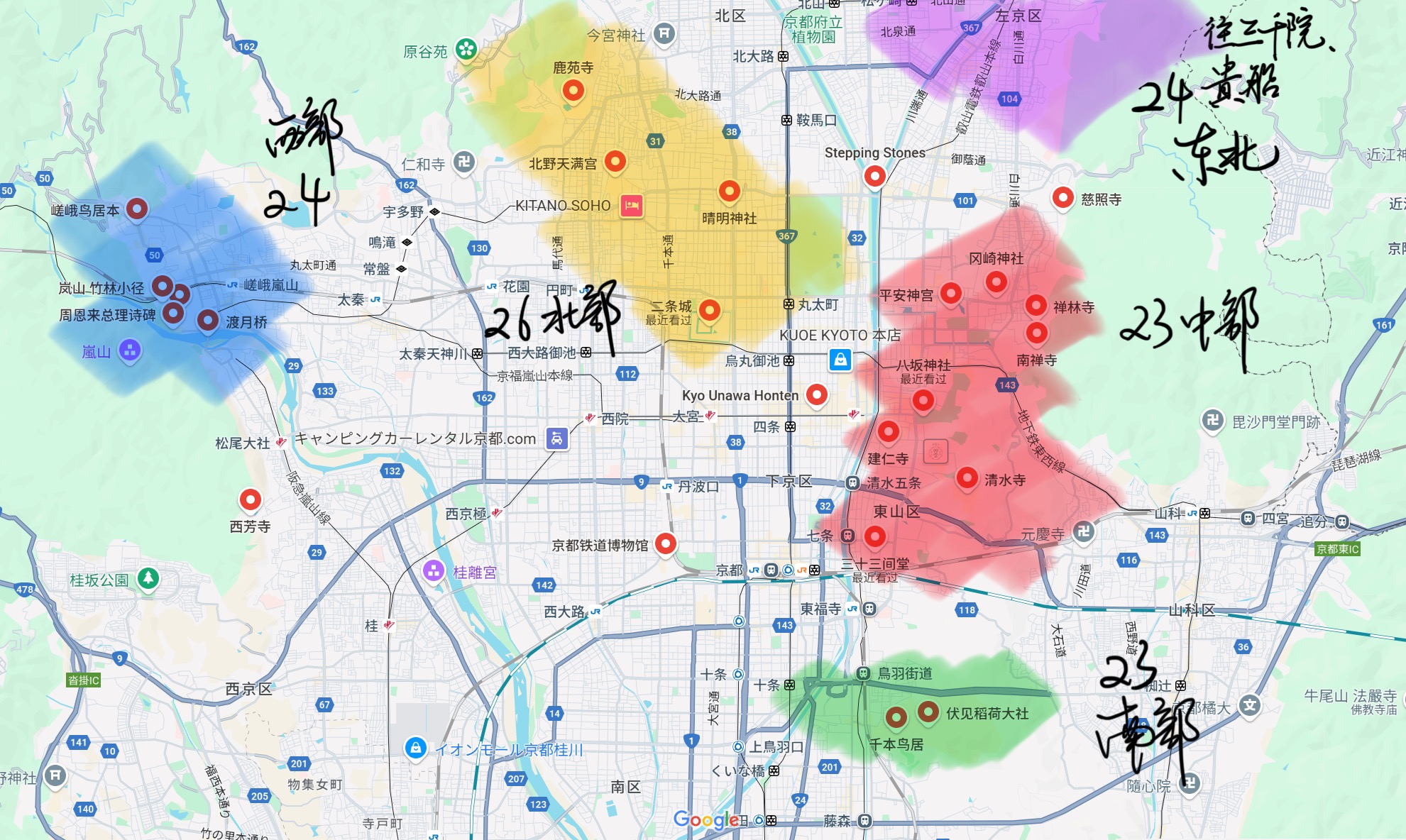 |
June 23 (Mon) |
Morning:Kiyomizu-dera, Sanjusangendo, Chishaku-in | ||
| Afternoon:Nanzen-ji, Eikan-do Zenrin-ji, Philosopher's Path, Ginkaku-ji | ||||
| Evening: Shijo-dori Shopping Street | ||||
| June 24 (Tue) |
Morning:Arashiyama, Tenryu-ji, Togetsukyo Bridge | |||
| Afternoon:Kinkaku-ji, Kitano Tenmangu, Nijo Castle | ||||
| Evening:Kifune Shrine | ||||
| Nara | June 25 (Wed) |
Morning:Toshodai-ji | ||
| Afternoon:Todai-ji, Nara Park | ||||
| Evening:Return to Kyoto | ||||
| Kyoto | June 26 (Thu) |
Morning:Fushimi Inari Taisha, Kyoto Imperial Palace - Kyoto Guesthouse | ||
| Afternoon:Head to Osaka | Osaka (1) | |||
| Evening:Shinsaibashi Shopping Street | ||||
| Osaka | June 27 (Fri) |
Morning:Osaka Castle | / | |
| Afternoon:Head to Kansai International Airport for flight back to Hong Kong International Airport. Flight number: HB341. |
Appendix III: Travel Itinerary (Original Plan)
| Location | Date | Itinerary | Accommodation (Nights) | Remarks |
|---|---|---|---|---|
| Tokyo
|
June 18 (Wed) |
Morning:Fly from Hong Kong to Tokyo | Tokyo (3) | |
| Afternoon:Arrive in Tokyo, Zojo-ji | ||||
| Evening:Tokyo Tower | ||||
| June 19 (Thu) |
Morning:Senso-ji (Early morning), National Museum of Western Art | |||
| Afternoon:Tokyo National Museum, Ueno Park, Akihabara | ||||
| Evening:Tokyo Skytree | ||||
| June 20 (Fri) |
Morning:Tokyo Station, Imperial Palace | |||
| Afternoon:Ghibli Museum, House of Representatives Tour, Shinjuku, Meiji Shrine, Yoyogi Park, | ||||
| Mount Fuji | June 21 (Sat) |
Morning:Head to Kawaguchiko | Mount Fuji Area (1) | |
| Afternoon:Pick up car, self-drive tour Kawaguchiko-Yamanakako | ||||
| June 22 (Sun) |
Morning:Self-drive tour Kawaguchiko-Yamanakako | Kyoto (4) | ||
| Afternoon:Return car, Head to Kyoto | ||||
| Kyoto |
June 23 (Mon) |
Daytime:Kiyomizu-dera, Sanjusangendo, Nanzen-ji, Eikan-do, Heian Jingu | ||
| Evening:Fushimi Inari Taisha | ||||
| June 24 (Tue) |
Morning:Arashiyama, Tenryu-ji, Togetsukyo Bridge | |||
| Afternoon:Sanzen-in, Jakkoin | ||||
| Evening:Kifune Shrine | ||||
| Nara | June 25 (Wed) |
Morning:Toshodai-ji | ||
| Afternoon:Todai-ji, Nara Park, Wakakusa-yama | ||||
| Evening:Return to Kyoto, Yasaka Shrine | ||||
| Kyoto | June 26 (Thu) |
Daytime:Kinkaku-ji, Kitano Tenmangu, Seimei Shrine, Nijo Castle, Kyoto Gyoen - Kyoto Guesthouse | Osaka (1) | |
| Evening:Travel to Osaka | ||||
| Evening: Tsutenkaku, Dotonbori | ||||
| Osaka | June 27 (Fri) |
Morning:Osaka Castle | / | |
| Afternoon:Travel to Kansai International Airport for return to Hong Kong |
Notes
-
Due to some activities having reservation times/destination constraints, it is mandatory or highly recommended to visit certain places at specific times.
-
General Scheduling Logic: As a rule of thumb, I’ve allocated 3 hours for morning activities (barring early starts) and 4 hours for the afternoon. Excluding museum-style destinations that require more depth, I’ve calculated most sites at 1 hour per location plus commuting time. Broadly speaking, this allows for 2 sites in the morning and 3 in the afternoon (adjustable based on proximity, with far-flung destinations treated as standalone blocks). Evenings are reserved for a maximum of one “casual exploration” spot.
-
Current Assessment: Overall, the current itinerary feels quite tight, and some reservations are still pending, meaning the schedule remains subject to change. I plan to wait until the fixed reservation dates are solidified—or even wait until I’m on the ground—to decide which destinations to streamline or drop from the list.